Calories in Bacon - Nutrition Facts Information
On this page
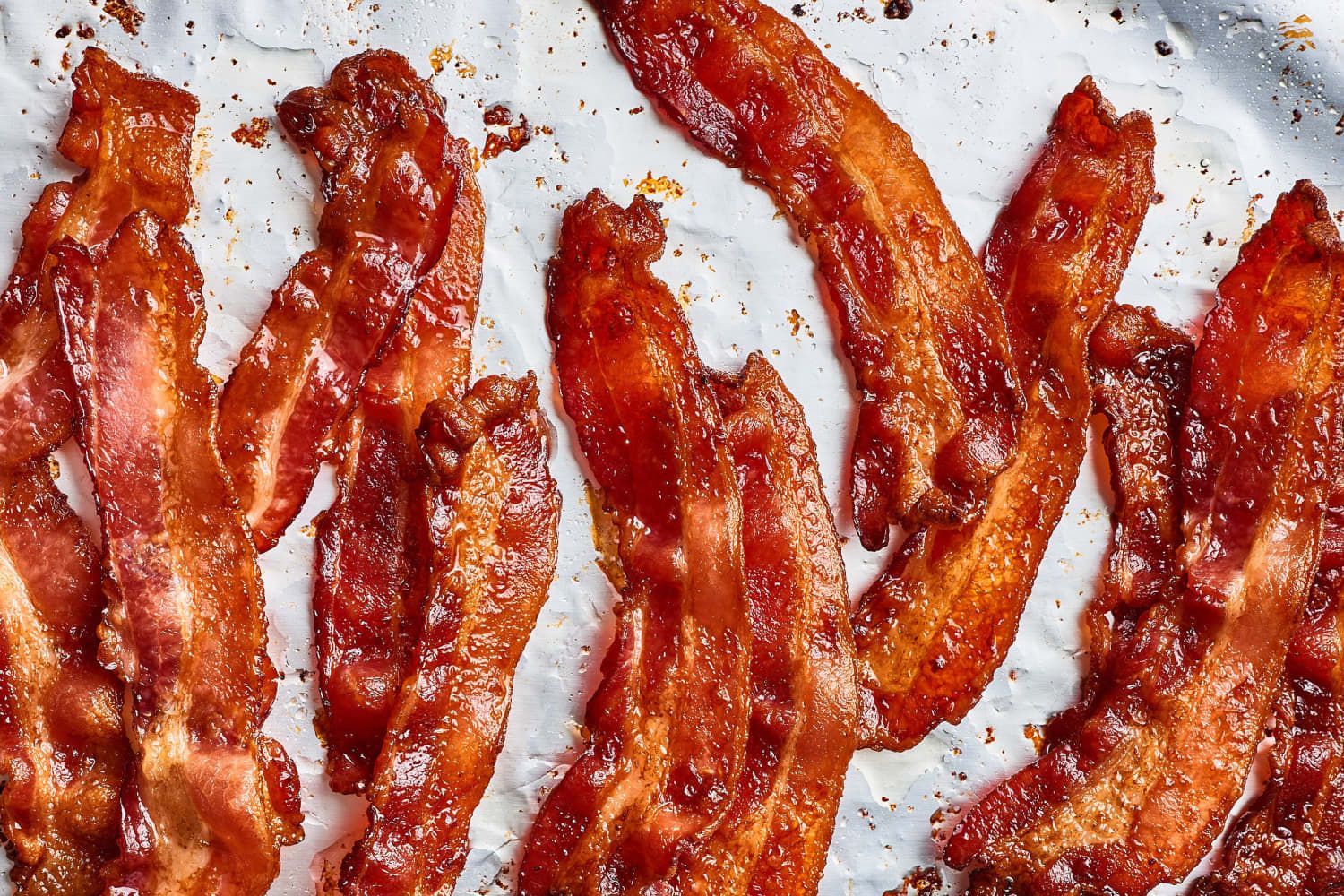
Be it breakfast or a savoury meal, bacon always finds a unique place when it comes to arranging your plate according to modern balanced diet plans. Bacon, which is mostly sliced pork, consumed pan-fried, is often a controversial dish as well, but most people tend to like it, usually because of its smoky aroma and delicious, savoury crunch. But have you ever wondered whether bacon is truly healthy for you?
There is absolutely no need to worry when it comes to the matter of having bacon in your breakfast or in any meal of your diet. This article is going to take you through the calorie content in bacon, the list of pros and cons that may result in your overall health and physiological functions from having bacon, whether bacon contains any health benefits, and other details.
The net amount of calories found in bacon:
It is usually difficult to state the exact amount of calories that are present in bacon. This is because there are certain factors on which the calorie content of bacon may depend, some of which include the following:
The portion size of the bacon intake
How are you cooking the bacon
The thickness of the cut of your bacon
With what components (food) are you pairing the bacon?
But on average, a single pan-fried slice of standard pork bacon, which may weigh around 5 to 8 grams, can contain approximately 40 to 60 calories. Most of these calories in bacon are derived from the fat content in this meat, along with some amounts of protein.
Nutritional components in bacon:
Bacon is a type of meat that is not usually considered a source of nutrients, unlike chicken or mutton, but you can still get certain amounts of nutritional components from each piece of bacon. Here is a complete list of some of the most common nutritional components that are present in bacon, along with an average measure of the amounts present with respect to the calories:
Fat: Approximately 65 per cent to 70 per cent of total calories.
Protein: Roughly 30 per cent to 35 per cent of total calories.
Carbohydrates: Minimal to zero.
So, it is quite clear from the nutrient list that bacon is a fatty meat, which may be a source of high-quality animal protein, but is also filled with rich amounts of fats. It is mostly due to the high fat content in bacon that the oil usually comes out when putting bacon strips onto a frying pan, and you need to add little or almost no amount of extra oil to the dish.
Pros and Cons of having bacon:
Bacon may be somewhat healthy because it is a rich source of protein and some essential micronutrients, such as vitamin B complex ( especially vitamins B1, B2, B3, B6, and B12) and minerals like phosphorus, but the high fat and calorie content can also lead to side effects when consumed frequently and in excessive amounts. Here is a complete list of both pros and cons of having bacon in your diet:
Pros:
1. It is rich in high-quality protein, vitamins, minerals, and antioxidants like selenium and nutrients like choline
2. Bacon can help in healthy lipid metabolism
3. This meat can support better thyroid function and help to strengthen your immune system
4. It is low in carbohydrate content, and thus ideal for a ketogenic or low-carb diet
Cons:
1. High fat intake can poorly affect your health and heart functions
2. Risks of an increase in LDL or bad cholesterol levels
3. Chances of developing obesity if not consumed in moderation.
Which doctor do you need to consult before having bacon?
It is usually healthy to consume bacon in moderation, but if you are still concerned about the impact of bacon on your overall health, you can consult an expert before you consume this meat. In that case, you can consult with a registered nutritionist or a dietitian . This is because consulting a specialist will give you a detailed idea regarding:
Whether you can have bacon at all
The portion size of your usual bacon intake
How can you make a dish of bacon healthier while cooking it at home?
Final Thoughts:
For most people, bacon can be a staple for breakfast. It is tasty and rich in nutrients. But you must consume bacon in moderation because it is quite high in fat content and can affect your health negatively.
Also Check: How many calories in a Chicken Wingette
Authors

Bidiptaa Sen
MA in Mass Media and Communication, Jadavpur University With 3.5+ years of experience in writing marketing and SEO content on healthcare and wellness, I write articles that help people to get an idea regarding medicines that are prescribed, how to improve their wellness care and educate people how to choose accurate health facilities. My communication skills, depth of knowledge in media management and strategic methods for better social media engagement and improving readers' experience through extensive research on the healthcare scenario.
View profile
Yashodhwara Singh
I completed my BTEC in Aeronautics from Acharya Institute, Bengaluru, and my schooling from Aligarh Muslim University. I have completed multiple internships, including at HAL. With prior experience in technical writing, I currently work part-time as a medical content writer at DocIndia.
View profile