Cheesecake Calories - Nutritional Guide Information
On this page
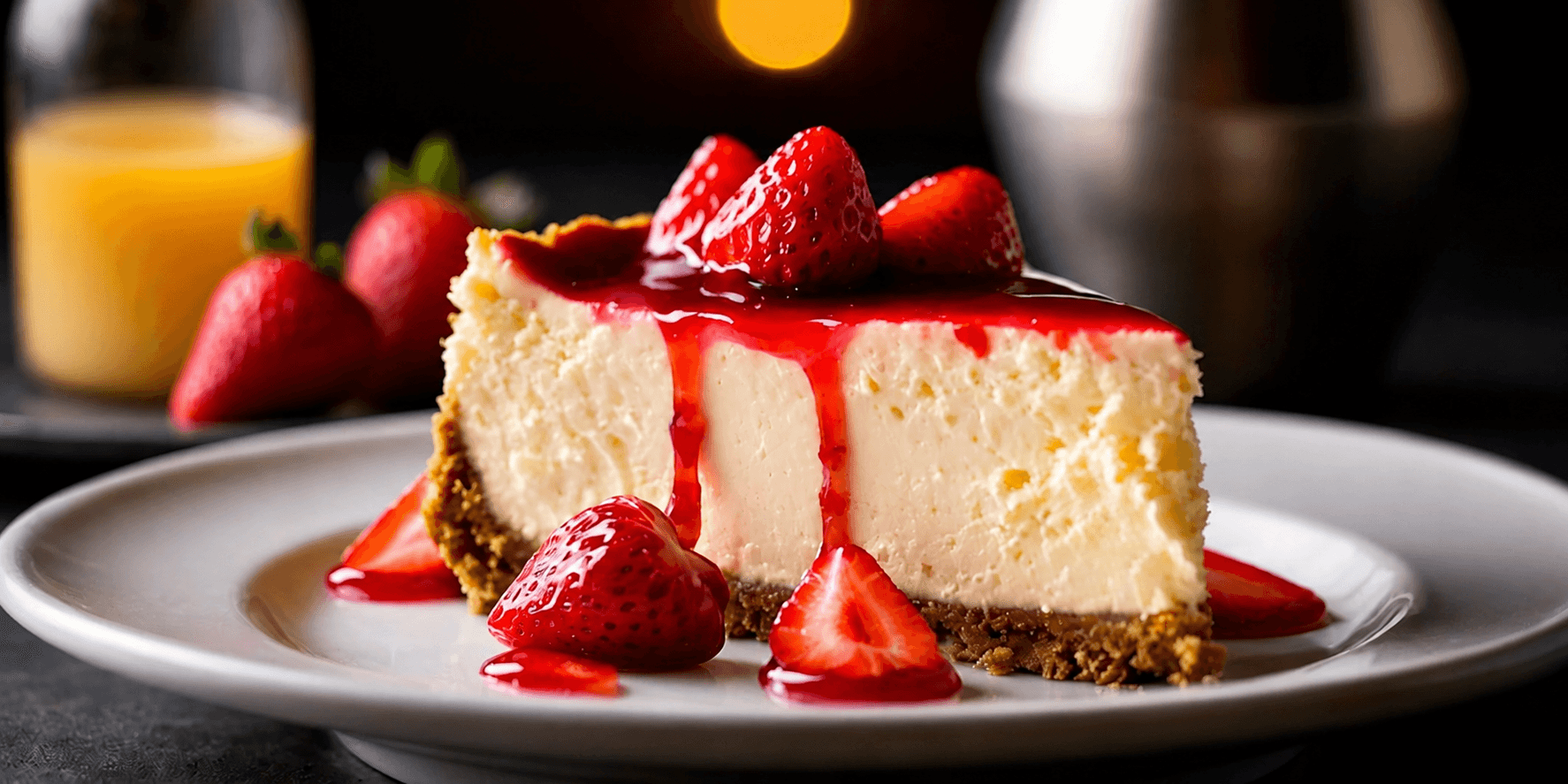
If you have a sweet tooth and if you are truly fond of different types of sweet treats for desserts, then you may love having cheesecakes as well. The most unique and exciting thing about cheesecakes is that these cakes are sweet, creamy and full of cheese with a layer of flavours -- blueberry, chocolate, mango, and so on on the top. But are you sure whether the consumption of cheesecake is good for you at all?
This article will give you a detailed account of some of the important aspects you need to know about having cheesecakes -- the calories present in them, whether there are nutrients in them, the positive and negative sides of having cheesecake, and other details.
Calorie content in cheesecakes:
Cheesecakes can be of different types and can contain various flavours, on which the calorie content of this dessert can largely depend.
There are some other factors as well, which usually decide the amount of calories that can be found in cheesecake, some of which include the following:
The amount of added sweetening agents is present in the cheesecake
Whether the cheesecake is homemade or restaurant-style
The portion size of your cheesecake intake
The way the cheesecake is baked
Amount and the type of cream added while making this cheesecake.
Most of the calories that are present in cheesecake are derived from the fats and the carbohydrates (mostly from the sugary components) that are present in cheesecake.
On average, a standard slice of cheesecake, weighing around 125 grams, may contain 400 to 450 calories.
But, if you order cheesecake from online dessert stores or have a restaurant version of cheesecakes, then the calorie content may shoot up to 800 to 1,500 kcal per slice, especially when topped with whipped cream, layers of flavoured spreads, chocolate, or fruit syrups.
But, the calorie content can be reduced to almost around150 to 250 kcal per slice, if you make your cheesecakes with low-fat and sugar-free components.
Will you find any nutrients in cheesecakes?
Cheesecakes are usually rich in macronutrients such as carbohydrates and fats. You can still get some very small quantities of protein from each serving of cheesecake slice, as the protein is derived from the dairy components that are used in baking the cake. In fact, each standard slice of cheesecake can contain around 28 grams of fat, much of which is saturated, along with 30 to 40 grams of sugar. On the other hand, you may get around 6 to 10 grams of protein from eggs and dairy components.
But you would not find any micronutrients (such as vitamins and minerals) in cheesecakes. It is mostly due to this reason that though a limited intake of cheesecake is okay for carbohydrate and fat gain, frequent intake of cheesecake in excessive amounts can be truly bad for your health.
Pros and Cons of having cheesecake:
Cheesecake is a kind of dessert that you would definitely enjoy, but it is high in calories, fats, and carbs, which means that having cheesecake can have both positive and negative impacts on your health. Here is a detailed list of the pros and cons of cheesecake:
Pros:
1. Keeps you full for a long time
2. Protein from eggs and dairy products can be beneficial
3. Having cheesecake can be psychologically satisfying
Cons:
1. High amounts of saturated fats from cream cheese can increase the risk of cardiovascular diseases
2. High-calorie content can lead to obesity (if consumed frequently)
3. High sugar levels can spike blood glucose levels for those with diabetes.
Which doctor to consult before having cheesecakes?
Cheesecake is a dessert that you may occasionally enjoy as one or two slices; it is still important to take expert opinion to know whether you can have cheesecake at all or not. So, you may consult with a registered nutritionist or a dietitian to know how much of this dessert you can have, how to make it healthier, and other details. You should consult a diabetic expert as well, before having this dessert if you have high blood sugar levels.
Final Thoughts:
Cheesecake can be an indulgence for many, and some people do enjoy this beautiful, delicious dessert. But, because of the high amounts of calories and fats in it, you must have this cake in moderation.
Also Check: Calories in corn Cob - Nutrition Facts Information
Authors

Bidiptaa Sen
MA in Mass Media and Communication, Jadavpur University With 3.5+ years of experience in writing marketing and SEO content on healthcare and wellness, I write articles that help people to get an idea regarding medicines that are prescribed, how to improve their wellness care and educate people how to choose accurate health facilities. My communication skills, depth of knowledge in media management and strategic methods for better social media engagement and improving readers' experience through extensive research on the healthcare scenario.
View profile
Sania Thakur
Content writer and marketing professional with strong sales and business skills. Experienced in web content writing, data annotation, and teaching, with a proven ability to craft engaging content and drive audience growth. Background in English Literature and Language Teaching from Aligarh Muslim University. Passionate about communication, branding, and strategic market analysis.
View profile