Calories in Cream Bun - Nutrition Facts Information
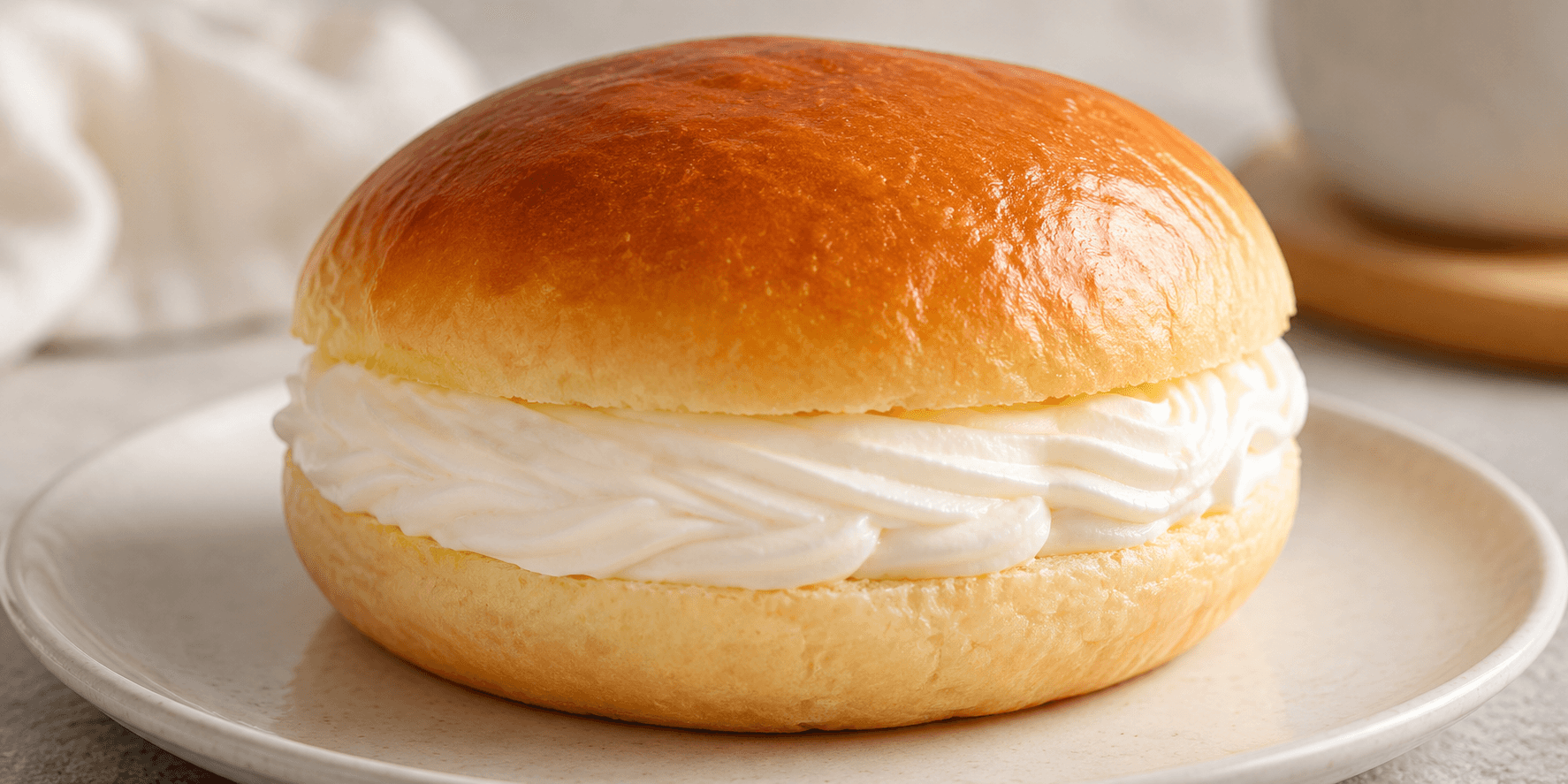
A cream bun can be a fun and interesting meal that you can have. It is not only delicious, but it is easier and quicker to grab and will keep you full for quite some time. But a cream bun is such a food that is rich in high amounts of calories, sugars and fats that can affect your overall health and wellness directly, when consumed in excessive amounts. So, are you sure whether having a cream bun quite often is good for your health at all or not?
There is no need to worry, because this article will give you a detailed account of the amount of calories present in cream buns, whether these buns are good for your health, the positives and negatives of having them, and other details.
The net calorie content in a cream bun:
The net amounts of calories that are present in a cream bun can differ in various cases, as the calorie content will largely depend on certain factors, such as the following:
The total portion size of your cream bun intake
The amount of cream used in the bun
The type of dough of the bun (enriched vs. lean)
The added sweetening agents in it
The ingredients are present in the cream bun.
But, on average, each piece of a standard-sized cream bun, which weighs around 80 g to 100 g approximately, may contain 250 to 450 calories. Most of the calories in a cream bun are derived from the fats, carbohydrates and the added sugars that are present in the bun. In many cases, confectioners add powdered sugar or more fat to the cream of these buns, which naturally spikes the amount of calories.
Are there nutrients in cream buns?
Cream buns are definitely not the type of food that is rich in high amounts of cream, but you will find some amounts of nutritional components in these buns. Here is a complete list of the nutritional ingredients along with the approximate measure of the quantities present in them:
1. Carbohydrates:
Since the dough of cream buns is made of refined flour and there is a high amount of sugar in these buns, the carbohydrate content may range between 30 g and 50 g, approximately.
2. Fats:
Cream buns are quite high in fat content, as most of the fats are derived from the cream present in these buns. You may get around 12 g to 25 g of fats in cream buns.
3. Protein:
There are minute amounts of protein that are present in cream buns, as most of the protein found in them is derived from the cream and milk used in the buns. The amount of protein may range from 4 g to 7 g.
Pros and Cons of having cream buns:
A cream bun may be a quick snack to grab, but the high amounts of calories, carbs and fats can have a negative impact on your health. Here is a detailed list of the pros and cons of cream buns:
Pros:
1. Provides satiety for a longer duration
2. These buns provide an immediate energy boost
3. These buns can help to lift your mood easily.
Cons:
1. High in glycemic index, which can spike blood sugar levels
2. Chances of binge eating
3. Contain very low amounts of nutrients
4. High in saturated fats from whipping cream, which can increase LDL cholesterol levels.
Which doctor to consult before having cream buns?
You can occasionally enjoy cream buns, but if you have specific health conditions, it is important to seek expert opinion to know whether you can have these buns at all or not. So, you may consult with a registered nutritionist or a dietitian to know how many of these buns you can have, how to make them healthier, and other details. You should consult a diabetic expert as well, before having cream buns if you have high blood sugar levels or diabetes.
Final Thoughts:
Cream buns can be a fun indulgence if you have sweet cravings or if you need a break. But it is important to remember that the whipped cream in these buns and the added sugars bring more fats and carbohydrates to your meal, which can lead to negative impacts on your health when consumed in excessive amounts or frequently. So, you must have cream buns in moderation.
Also Check: Cheesecake Calories - Nutritional Guide Information
Authors

Bidiptaa Sen
MA in Mass Media and Communication, Jadavpur University With 3.5+ years of experience in writing marketing and SEO content on healthcare and wellness, I write articles that help people to get an idea regarding medicines that are prescribed, how to improve their wellness care and educate people how to choose accurate health facilities. My communication skills, depth of knowledge in media management and strategic methods for better social media engagement and improving readers' experience through extensive research on the healthcare scenario.
View profile
Surbhi Singhal
Surbhi is dedicated and self-motivated Ph.D. scholar passionate about Content Creation, Editing, and Teaching. I excel in dynamic environments, thrive on challenges, and am eager to contribute my expertise and enthusiasm in pushing the boundaries of knowledge.
View profile