Calories in 1 Cup of Rice - WHY IS THIS HEALTHY FOR YOU
On this page
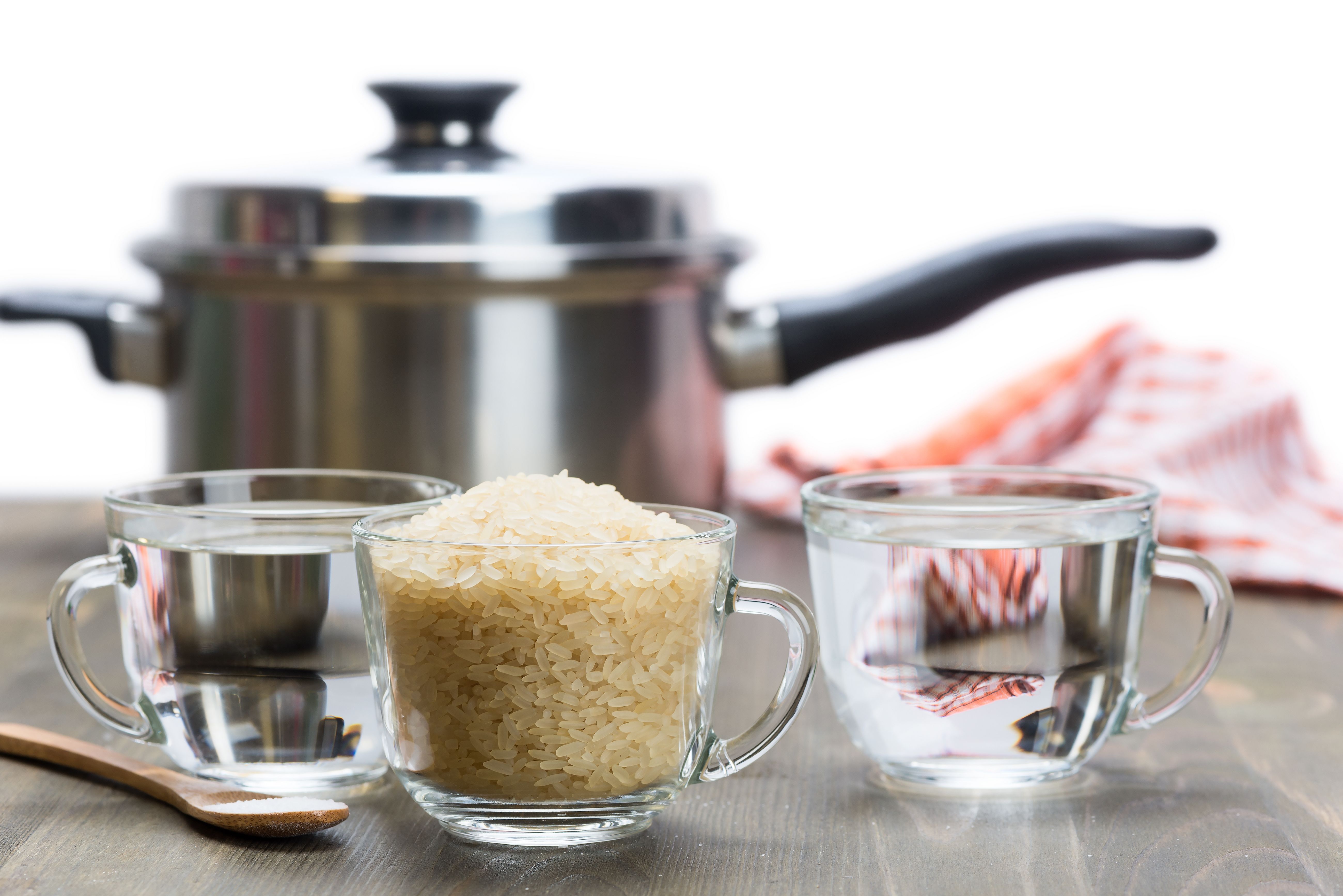
Rice is not just a staple food that is consumed in most Indian households; it is also one of the most cooked comfort foods that is healthy and easy to digest. You can have rice in various forms -- it can be your regular boiled or steamed rice, or it can be exquisite dishes such as pulao or fried rice. Rice, even when consumed in small amounts (1 cup, for example), provides enough amounts of energy and satiety.
This article will help you understand the number of calories present in 1 cup of rice, the list of nutritional components that are present in rice, the health benefits that you can derive from this amount of rice, and other details.
Calorie content in 1 cup of rice:
Rice is not high in calories, but it can provide you with enough carbohydrates and thus can be a quick source of energy. But there are a few factors on which the net calorie content of rice might depend, some of which may be listed here as follows:
The type of rice that you are consuming (brown rice, white rice and so on)
The portion size of your total rice intake
The way the rice is produced
The amount of oil or butter used while making the rice
The ingredients used while cooking the rice.
But despite these factors, on average, the calorie content in 1 cup of cooked white rice, weighing around 150 to 160 grams, can range between 200 and 220 kcal approximately.
The nutritional components in 1 cup of white rice:
Certain major macronutrients can be found in cooked rice. So, the amount of nutrients that are present in 1 cup of white rice may be listed below:
1. Carbohydrates:
Rice is often considered one of the major sources of carbohydrate. In fact, you can get around 45 grams of carbohydrates from each cup of white rice. This can be a major source of energy for you that will help you to perform various types of physiological functions throughout the day.
2. Protein:
You can get a small amount of protein from 1 cup of rice, which is around 4 to 5 grams per cup, so you will have to pair it up with other major sources of protein to get a balanced diet.
3. Vitamins and Minerals:
There are some trace amounts of vitamins and minerals that you may find in 1 cup of rice. The most common vitamins that you may get from 1 cup of rice mostly include vitamin B complex, along with thiamine, niacin, and folate or folic acid. Minerals that are mostly found in 1 cup of rice may include iron, magnesium, phosphorus, and potassium. All these nutrients are highly beneficial for maintaining healthy physiological functioning and improving your overall health and wellness.
Which doctor should you consult before having 1 cup of rice in your diet?
Rice can form quite a healthy and filling meal option that you can add to your daily diet. It is not only comforting, but having 1 cup of rice is often considered quite healthy as well. But it is also important to consider whether 1 cup of rice is good for your health at all, based on your individual health conditions. So, it is always better to take an expert opinion first.
You may consult with a registered nutritionist or a dietitian . This is because consulting a specialist will be able to get an idea about:
Whether 1 cup of rice is good for you at all
The way you must cook rice at home
The ingredients to add while cooking rice
The specific type of rice is good for your health.
You can also consult a diabetic expert before having 1 cup of rice.
Final Thoughts:
It can be said that it is quite healthy to consume 1 cup of cooked rice each day in your daily diet. It is not only a good source of energy, but having 1 cup of cooked rice can help you to stay full for long hours, along with providing health benefits such as improving heart health, digestion, being rich in nutrients and free from gluten. But you must also take expert opinion before adding this to your daily diet.
Also Check: Calories in Biryani - Nutritional Information
Authors

Bidiptaa Sen
MA in Mass Media and Communication, Jadavpur University With 3.5+ years of experience in writing marketing and SEO content on healthcare and wellness, I write articles that help people to get an idea regarding medicines that are prescribed, how to improve their wellness care and educate people how to choose accurate health facilities. My communication skills, depth of knowledge in media management and strategic methods for better social media engagement and improving readers' experience through extensive research on the healthcare scenario.
View profile
Surbhi Singhal
Surbhi is dedicated and self-motivated Ph.D. scholar passionate about Content Creation, Editing, and Teaching. I excel in dynamic environments, thrive on challenges, and am eager to contribute my expertise and enthusiasm in pushing the boundaries of knowledge.
View profile