What is Low Vision? Causes, Treatment & Prevention
On this page
- Low Vision: Causes, Treatment & Prevention
- What Is Low Vision?
- Common Causes of Low Vision
- 1. Age-Related Macular Degeneration (AMD)
- 2. Glaucoma
- 3. Diabetic Retinopathy
- 4. Cataracts (Advanced Cases)
- 5. Retinitis Pigmentosa
- Treatment Options
- Prevention & Early Detection
- Living with Low Vision: Support & Resources
Low Vision: Causes, Treatment & Prevention
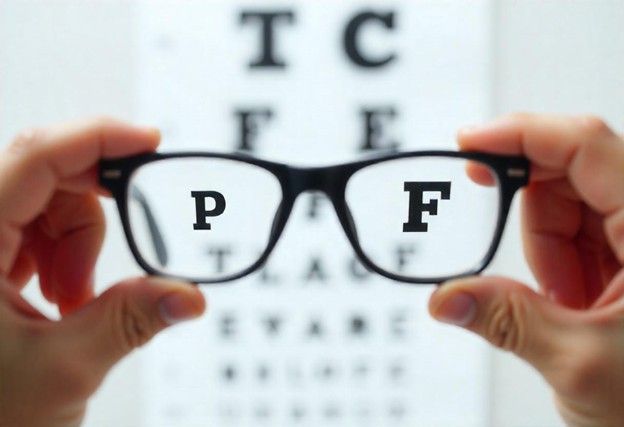
If your answer is yes, then you should be visiting an ophthalmologist for low vision treatment. Visual impairment affects daily life. Be aware about the eye diseases and their prevention before starting the treatment. If an eye specialist can detect the problem soon and take proactive measures; you can preserve vision. Low vision is characterized by reduced eyesight. There are some issues with low vision that cannot be fully corrected. With awareness and implementing effective prevention strategies, the incidence of visual impairment can be reduced.
What Is Low Vision?
Low vision is a visual impairment that cannot be completely corrected. The use of standard glasses, contact lenses, or medical treatments cannot cure it. Individuals with low vision may undergo major visual challenges. Low vision can hinder the ability to perform everyday tasks. Individuals with low vision find it difficult to read, drive, or recognize faces. There are many causes for low vision, such as age-related macular degeneration, glaucoma, diabetic retinopathy, and other eye disease. People with low vision often benefit from specialized aids and rehabilitation services. It can help maximize their remaining sight, enabling them to maintain independence. It thus improves their quality of life. Being proactive for early diagnosis and intervention is important for curing low vision effectively.
Common Causes of Low Vision
1. Age-Related Macular Degeneration (AMD)
Age-related macular degeneration (AMD) is the prime cause of low vision. It affects central eyesight owing to the deterioration of the macula. While cataract surgery can improve vision blurred by cataracts, it does not prevent or treat AMD. Thus we emphasize the importance of regular eye check-up for early detection and cure.
2. Glaucoma
Glaucoma is a common cause of low vision. It results from damage to the optic nerve, often because of increased intraocular pressure. It slowly reduces peripheral vision. Glaucoma leads to tunnel vision and potential blindness if untreated. Regular eye exams are vital for early detection and control to keep sight right.
3. Diabetic Retinopathy
Diabetic retinopathy is a leading cause of low vision. It affects many individuals with diabetes. This condition damages the retina and it leads to blurred or distorted eyesight. Eyewear for low vision can help enhance remaining eyesight. It provides vital support for daily activities and improving quality of life for those impacted by this disease.
4. Cataracts (Advanced Cases)
Advanced-stage cataracts greatly cloud the eye's lens. It leads to low vision. Patients may have blurred vision, difficulty seeing at night, and color perception issues. Common causes of cataracts include aging, long UV exposure, diabetes, and specific medicines. Early detection and cure are necessary to control additional vision loss.
5. Retinitis Pigmentosa
Retinitis pigmentosa is a genetic disorder. It results in the progressive degeneration of the retina. It leads to severe vision loss. Night blindness and tunnel vision are initial symptoms. It eventually causes significant visual impairment. Retinitis pigmentosa primarily affects peripheral vision. It makes it a common cause of low vision in affected individuals.
Treatment Options
Low vision is a condition that typically cannot be completely reversed. Although many treatment options can improve the life for those having low vision. Low vision aids are generally the first line of support. They include magnifiers, screen readers, specialized lighting, and large-print materials. All these can help people with low vision better engage with their surroundings.
Besides the above-mentioned, vision rehabilitation programs are available. Individuals with low vision have sessions with occupational therapists or low vision specialists. They learn techniques for maximizing their remaining vision and adapting to daily tasks.
For some conditions, medications or surgeries may be options. But they progress slowly in diseases like glaucoma or age-related macular degeneration (AMD).
In the end, counseling or therapy can provide crucial mental health support. Individuals with low vision have to adjust to their vision loss. It's important for those experiencing low vision to explore these options. The options focus on maintaining independence and improving their well-being.
Prevention & Early Detection
The prevention and early detection of vision impairment are essential for eye health. Regular eye checkups become important after age 40. Remember many eye conditions develop slowly and can be known early.
Besides, managing diabetes and hypertension can greatly lessen the risk of vision loss. Wearing sunglasses is a must for protecting your eyes from harmful UV rays. Consume a diet rich in eye-healthy nutrients. Include leafy greens, omega-3 fatty acids, and Vitamin A in your daily diet.
Additionally, quit smoking and reduce alcohol intake. Both of these can significantly decrease the risk of eye diseases. Prioritizing these habits can contribute to better vision in the long run.
Living with Low Vision: Support & Resources
Living with low vision is challenging. We recommend seeking professional help early to manage the condition. Different adaptive technologies and daily living aids can be helpful. Using magnifiers and screen readers can significantly improve day-to-day activities. Further, support groups and community resources encourage and share practical strategies. With suitable tools and support, people with low vision can maintain their independence and improve their quality of life. These aids empower them to flourish despite visual impairments.
To Wrap Up:
In the end, understanding low vision is important for adequate care and prevention. Identifying the diverse causes allows convenient treatment options to enhance quality of life. Nihar Netralaya stands out as the best eye hospital . It offers specialized care for individuals with vision impairment. With a dedicated team and advanced technology, patients can receive personalized treatment plans to help them navigate their visual challenges. Prioritizing eye health is essential for maintaining autonomy.
Author

DocIndia Editorial Team
Check cache DocIndia Editorial Team works with Doctors to create informative articles.
View profile