What Are Dental Implants and How Do They Work
On this page
- What Exactly Is a Dental Implant?
- How Does an Implant Actually Function in the Mouth?
- Why Leaving a Gap Is Riskier Than It Seems?
- Is Everyone Suitable for Dental Implants?
- What Does the Treatment Process Involve?
- Is the Procedure Uncomfortable?
- What Influences the Cost?
- Choosing a Clinic That Is Right for You
- Caring for Your Implant Over Time
- A Final Word

Tooth loss affects far more than your appearance. The moment a tooth goes missing, a chain of changes quietly begins inside your mouth — neighbouring teeth gradually drift, chewing patterns shift, and the jawbone beneath the empty socket slowly loses density without the stimulation it once received from a tooth root. These changes can take months or years to become obvious, but by the time they are noticed, correcting them becomes considerably harder.
Dental implants address tooth loss at its source. Rather than placing something over the gap, they restore what is actually missing — the root — giving the replacement tooth genuine structural support from within the jawbone itself.
For anyone exploring dental implants in Hyderabad, understanding how the treatment works makes it far easier to choose the right clinic and set realistic expectations before beginning.
What Exactly Is a Dental Implant?
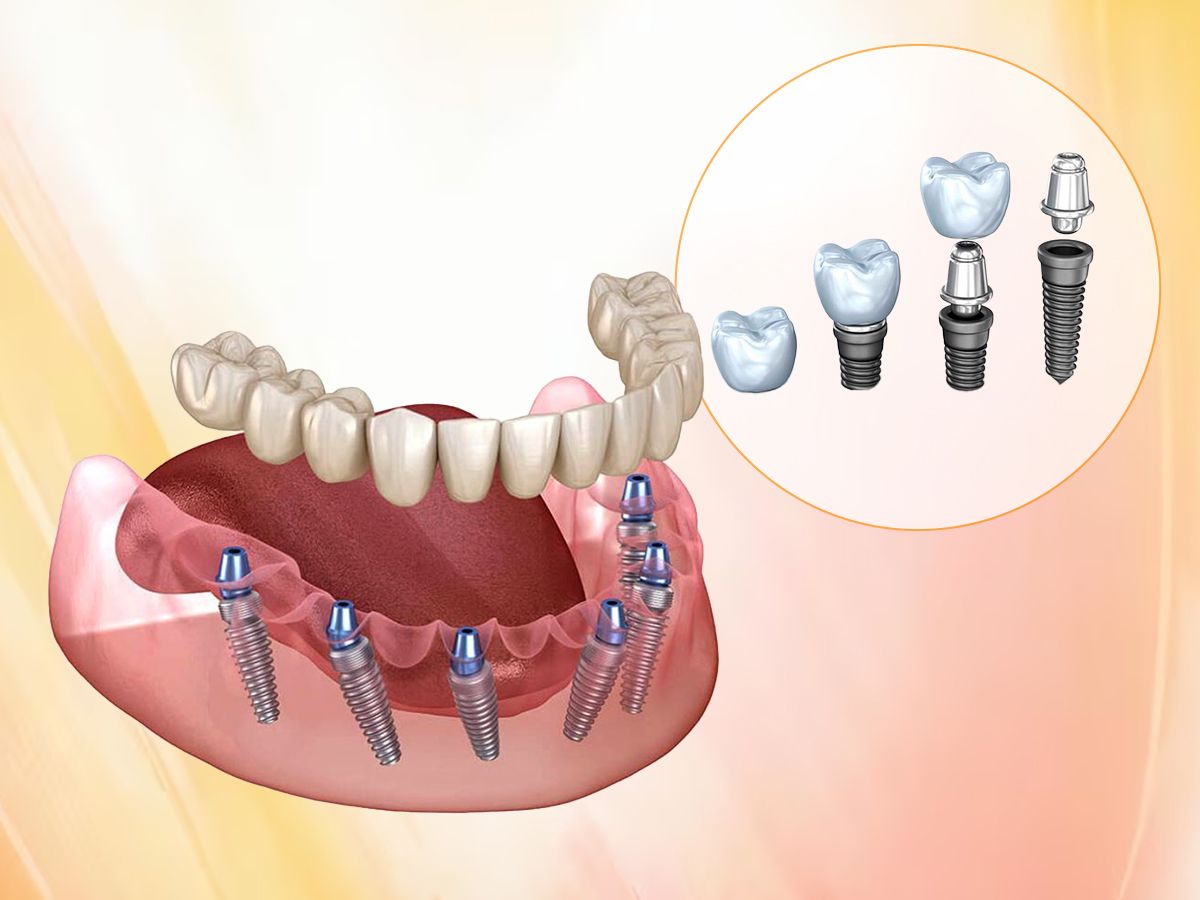
At its core, a dental implant is a small post — typically made from biocompatible titanium — that a dentist positions inside the jawbone where a tooth root once sat. Over the following weeks, the surrounding bone tissue gradually fuses to this post in a process called osseointegration, turning the implant into a solid, stable anchor.
Once that anchor is confirmed to be stable, a custom-made crown is fitted on top. This crown is shaped and shaded to match the surrounding natural teeth, making the final result look remarkably like what was there before.
The implant itself sits beneath the gum line and is never visible. What you see and use every day is simply the crown — a tooth that does not move, does not need to be soaked overnight, and does not rely on adhesives or neighbouring teeth for support.
How Does an Implant Actually Function in the Mouth?
The reason implants feel so natural comes down to how they interact with the jaw. When you bite down or chew, the force travels through the crown into the implant and then into the bone — exactly the same pathway a natural tooth uses. This continued stimulation keeps the jawbone active and prevents the shrinkage that typically follows tooth loss.
Other replacement options rest on top of the gum and depend on surface contact for stability. An implant, by contrast, is embedded in the foundation of your jaw. This distinction is what gives implant-supported teeth their strength, security, and longevity.
Why Leaving a Gap Is Riskier Than It Seems?
Many people delay dealing with a missing tooth because there is no obvious discomfort in the early stages. The gap does not hurt, so it does not feel urgent. But several problems tend to develop quietly in the background.
Adjacent teeth no longer have a neighbour holding them in place. They begin angling toward the space — sometimes subtly, sometimes noticeably — and this movement can disrupt your entire bite over time. An uneven bite adds unnecessary strain to other teeth and can contribute to jaw discomfort.
The exposed space also tends to trap food particles, raising the risk of gum inflammation and decay in the teeth that border the gap. Meanwhile, bone loss in the jaw progresses steadily, and once significant density is lost, it can complicate future treatment.
Addressing the gap sooner, rather than waiting until other problems appear, is almost always the more straightforward path.
Is Everyone Suitable for Dental Implants?
Implants are a versatile solution. They can replace a single missing tooth, several teeth spread across different areas, or a full arch. However, every case is different, and a thorough evaluation must come before any treatment recommendation.
The key requirements are reasonably healthy gums and adequate bone density in the jaw. Where bone has already been lost, a preparatory procedure may be needed to rebuild the site before an implant can be placed successfully.
Certain health factors — such as uncontrolled diabetes, active gum disease, or long-term smoking — require extra consideration. This does not automatically rule out implants, but it does mean the treatment planning stage needs to be more careful and detailed.
Anyone researching a dental implant clinic nearby should prioritise clinics that insist on a full diagnostic assessment rather than offering a treatment plan without first examining your specific oral condition.
What Does the Treatment Process Involve?
The journey toward a Dental Implant begins with a consultation and thorough assessment. The dentist examines the gums, evaluates the jawbone using digital scans or X-rays, and determines whether the site is ready for implant placement. This stage shapes the entire treatment plan.
If a failing tooth still remains, it will need to be extracted, often with a waiting period before placement begins. If scans reveal that the jawbone has thinned or weakened in the missing tooth area, rebuilding that foundation becomes the necessary first step.
Implant placement itself is done under local anaesthesia. The dentist makes a small opening in the gum, carefully positions the implant into the prepared site in the bone, and closes the area. The healing period that follows is not optional — it is the phase during which the bone and implant gradually become one.
Once the dentist is satisfied with the stability of the implant, a connector component is attached, followed by the final crown. The dentist checks how the crown sits within your bite and makes any fine adjustments before the treatment is considered complete.
Is the Procedure Uncomfortable?
It is natural to feel apprehensive about a procedure that involves the jawbone, but most patients are surprised by how manageable the experience is. Local anaesthesia ensures the area is thoroughly numb throughout the placement, so there is no pain during the procedure itself.
Afterwards, some tenderness, mild swelling, or general soreness around the area is expected for a few days. This is a standard part of the healing process and typically settles with basic care. The dentist will provide guidance on eating soft foods, keeping the area clean, and what to watch for during recovery.
People who have had a single implant placed often describe recovery as far simpler than they anticipated.
What Influences the Cost?
The cost of dental implants in Hyderabad varies depending on several factors: how many teeth are being replaced, which implant system is used, the material chosen for the crown, whether preparatory procedures are needed, and the overall complexity of the case.
Comparing prices between clinics can be misleading if you are not comparing equivalent packages. A lower upfront figure may exclude diagnostic scans, the cost of the crown, follow-up appointments, or long-term aftercare.
When discussing costs with a clinic, ask for a breakdown that covers all stages — from initial scans through to final placement and ongoing maintenance. A transparent cost structure is usually a sign of a well-organised practice.
Choosing a Clinic That Is Right for You
The quality of your implant outcome depends not just on the implant itself, but on the skill and thoroughness of the team placing it. The Best Dental Implants in Hyderabad come from clinics where diagnosis is taken seriously, hygiene standards are consistent, and patients are given clear information at every stage rather than being rushed into a decision.
Look for a clinic that takes time to explain your oral health picture, outlines the treatment stages in plain terms, and is transparent about what the cost includes. Krishna Dental Hospitals offers implant treatment and missing tooth replacement services for patients in Hyderabad, with a focus on thorough assessment and patient-centred care.
Caring for Your Implant Over Time
An implant that is well placed and well maintained can serve you for decades. The care it requires is not complicated — consistent brushing, cleaning around the implant margin with appropriate tools, and attending routine dental visits is usually sufficient.
Problems tend to develop when early warning signs such as gum bleeding or sensitivity around the implant are ignored. Catching these early makes them far easier to address. It is also sensible to avoid using your teeth as tools or biting down on very hard items, as this places unnecessary stress on the crown.
A Final Word
A missing tooth is not simply a cosmetic concern — it is a structural one. Dental implants offer a solution that goes deeper than appearance, restoring the function, stability, and bone support that a natural tooth provides.
If you have been living with a gap and putting off treatment, a proper consultation is the most useful next step. It will tell you whether implants are right for your situation, what the treatment would involve, and what you can realistically expect from the outcome.
Author

DocIndia Editorial Team
Check cache DocIndia Editorial Team works with Doctors to create informative articles.
View profile