Transparent Dental Aligners: What They’re Really Like in Real Life
On this page
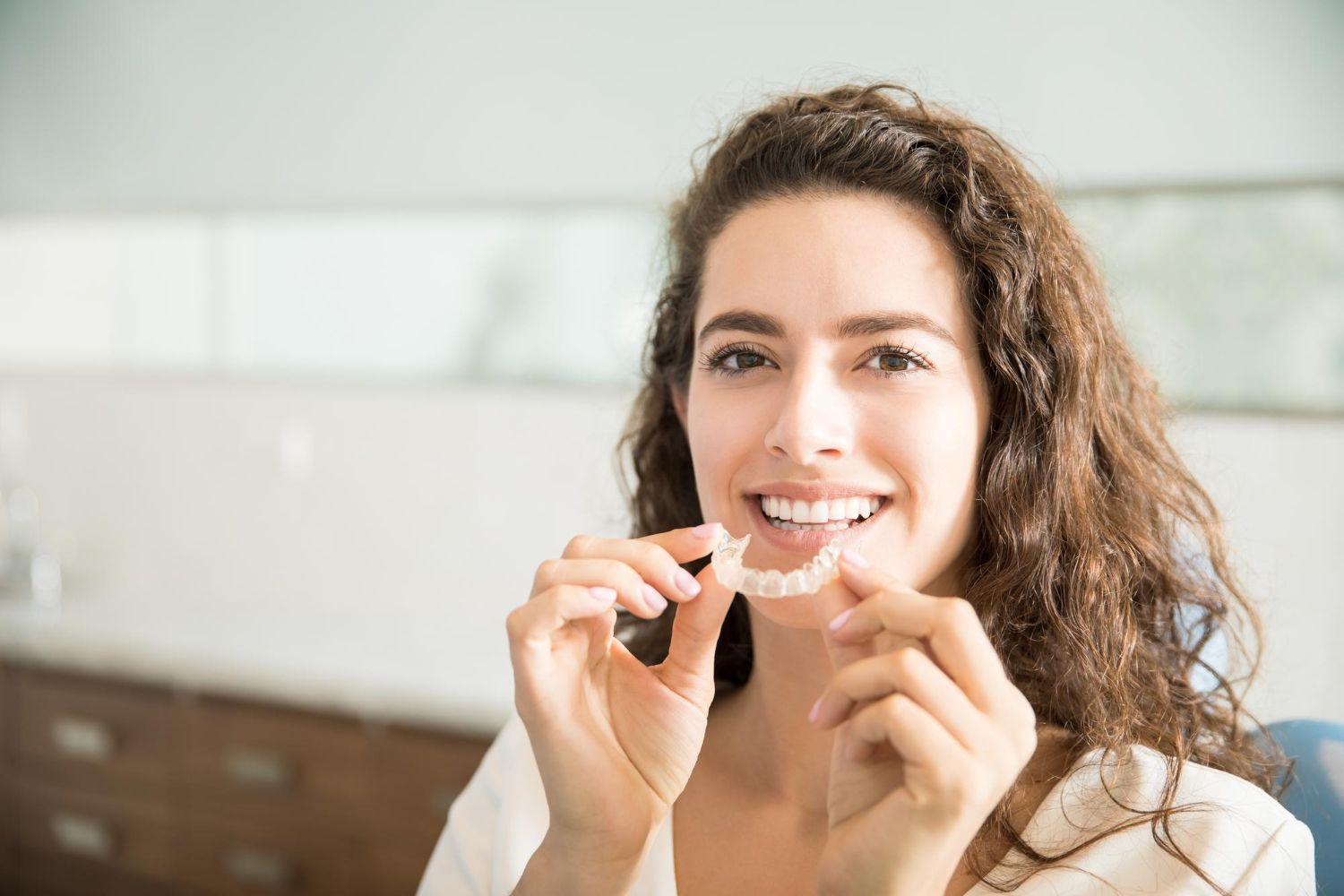
Most people don’t start their day thinking, “I should straighten my teeth.”
It usually begins in small moments like,
• A photo where your smile looks slightly tilted or crooked
• A video call where you notice one tooth sitting forward
• A dentist casually says, “You need orthodontic treatment”
And then comes the thought you may have pushed away for years.
Braces! But aren’t they scary and all about publicising your treatment?
But today, many people hear something else instead - Transparent Dental Aligners.
They sound simple. Clear trays. Wear them. Teeth move. Done.
In reality, experience is a little different from that.
Let’s talk about it honestly.
Are transparent dental aligners the same as braces?
The answer is yes and no! Braces and transparent dental aligners , or clear aligners, are an orthodontic solution for straightening teeth. They do the same job in almost the same manner.
But the experience, treatment journey, aesthetic, everything is very, very different and opposite. It's just like reaching the same place with a well-constructed road and vice versa.
Braces stay on your teeth all the time. They work continuously whether you think about them or not. You adapt your eating, your cleaning routine, and sometimes even how you smile.
Aligners are removable. That sounds easier, but it also means responsibility shifts to you. If braces are automatic, aligners are behavioural. They work only if you wear them consistently.
Many people are surprised by this. Technology feels advanced, but success still depends on daily discipline.
Physically, they feel different, too. Braces can feel tight after adjustments. Aligners feel like gentle pressure that comes and goes when you switch trays. The first day of a new aligner often feels snug. By the end of the week, it feels almost loose.
That small change is actually progress.
Why are they becoming so popular?
Mostly because they fit adult life better.
A lot of people want straighter teeth but do not want the visible experience of braces. There are many reasons to choose a non-metallic option - meetings, presentations, social events, photos, and videos. Appearance matters more now because we see ourselves more often.
• Aligners are subtle. People usually do not notice them unless they look closely.
• Then there is food. With braces, eating certain foods becomes stressful. With aligners, you remove them and eat them normally. For many people, that freedom alone feels like a major relief.
• Another reason is predictability. Digital scans and treatment simulations help people understand what is expected. Seeing a possible future smile before starting the treatment gives emotional comfort.
• But the biggest reason is psychological. Aligners feel like a lifestyle adjustment, not a visible dental treatment.
That distinction matters more than most people realise.
Are they actually beneficial?
Yes, especially if you value flexibility. Cleaning your teeth is easier because nothing is fixed to them. You brush and floss normally. Gum health is often easier to maintain.
Comfort is another advantage. The smooth plastic surface rarely irritates the cheeks the way wires sometimes can.
Many adults also feel more confident during treatment. They do not feel like their smile is “under repair.” They simply feel like their smiles are gradually improving.
But there is an honest side too.
• You have to remember to wear them after every meal. You have to carry the case. You have to clean them daily. You have to resist the temptation to leave them out “just for a while.”
• Most people adjust within a week or two. But that adjustment phase is real.
• Some people also notice slight speech changes for a few days. A mild lisp. It usually disappears quickly, but it surprises people when it happens.
Cost and common concerns
Cost varies depending on how complex the tooth movement is. Sometimes, aligners are similar in cost to braces. Sometimes it's slightly higher. Many people see the price as paying for convenience and discretion.
The more practical concerns people share are interesting.
Losing aligners is common, especially in the beginning. Many people wrap them in tissue during meals and forget them.
Cleaning discipline is another adjustment element. If you eat often throughout the day, you need to become more aware of maintaining hygiene.
And then there is consistency. Treatment works only when aligners stay in your mouth most of the day. People who travel often, snack frequently, or have irregular routines need to be more mindful.
Technology helps guide treatment. Behaviour determines results.
Final thoughts
Transparent dental aligners are not just about straightening teeth. They change how treatment fits into everyday life.
They offer privacy, flexibility, and comfort. But they also ask for responsibility. They work best for people who are willing to build a new daily habit and stick to it.
In many ways, they reflect how modern healthcare is changing. Less visible. More personalised. More dependent on individual participation.
If you are considering straightening your teeth, the real question is not whether aligners are better than braces.
The real question is simple.
Which option fits your life well enough that you will follow it consistently?
Because the best treatment is not the most advanced one.
It is the one you actually complete.
Author

DocIndia Editorial Team
Check cache DocIndia Editorial Team works with Doctors to create informative articles.
View profile