Aligner Sheets Explained: Material, Cost and Qualities
On this page
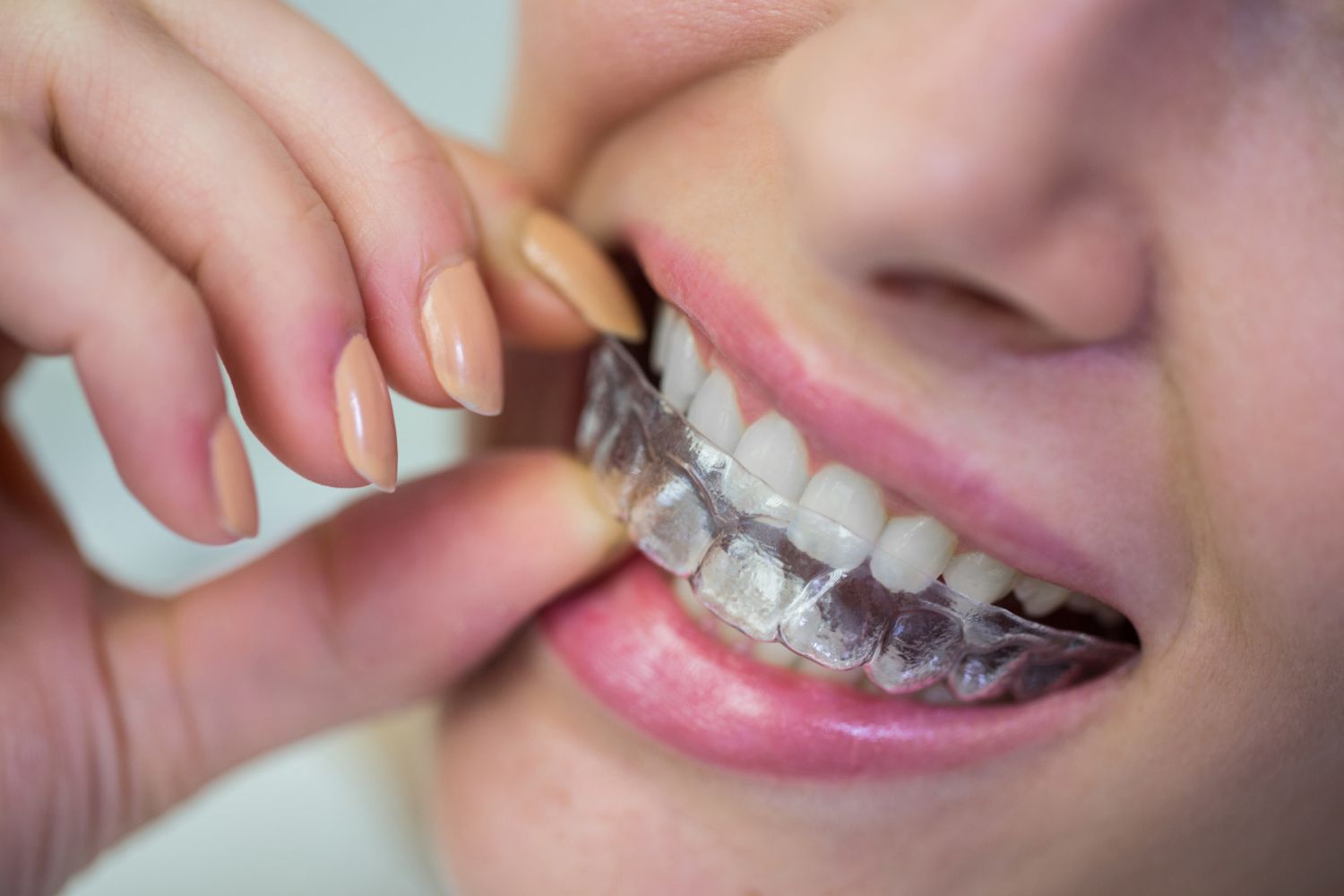
Today’s clear aligner market is growing fast. Aligner sheets are at the center of that growth. If your business is a dental practice, orthodontic lab, or manufacturer thinking about offering clear aligners or switching suppliers, you are at the right place.
What are aligner sheets?
Aligner sheets are the thermoplastic films used to form clear orthodontic aligners. They turn the visible, removable trays patients wear to move their teeth.
Basic composition: Most sheets are copolymers or blended materials (commonly PETG, polyurethane, or co-polyester blends). They are designed for clarity, strength, flexibility, and predictable force delivery.
Why does the material choice matter?
• Force control and tooth movement: Different materials has different properties. If a sheet is too stiff, it can apply more force on the teeth. One which relaxes too quickly may lose effectiveness over a few days.
• Fit and retention: Good form and stability of the sheet will make sure the aligners fit tightly on teeth for the entire stage. This avoids complaints and remakes.
• Durability and wear: The oral environment exposes aligners to a lot of things. Like moisture, temperature changes, enzymes, and abrasion. Good quality sheets are designed to resist crazing, yellowing, and cracking.
• Aesthetics and patient experience: Patients choose clear aligners for their discreet look and comfort. Therefore, patient satisfaction is important.
• Biocompatibility and safety: The sheets must be safe for the patient to use. It should not cause any damage to the health of the patient.
Common sheet types and their strengths
• PETG: It gives good clarity and ease in forming. It is cost-effective and used for straightforward alignment cases.
• Polyurethane: It provides higher elasticity and resilience. It is favorable for complex movements which require sustained force.
• Co-polyesters and multilayer hybrids: These are designed to balance stiffness, resilience, and patient comfort.
Key specifications to compare when sourcing
• Thickness options: Thinner sheets (0.5-0.6 mm) give gentler forces and better comfort; thicker sheets (0.7-1.0 mm) increase control for tipping and certain movements. Suppliers often offer multiple thicknesses for a treatment plan.
• Elastic modulus and yield strength: Indicate stiffness and ability to return to shape. Ask manufacturers for comparative stress-strain curves.
• Stress relaxation rate: Tells how quickly a sheet loses force under constant strain. This is crucial for staging intervals.
• Transparency and gloss: Measured objectively and evaluated by clinical photos to ensure acceptability.
• Forming temperature and behavior: Important for thermoforming equipment compatibility. Low-forming temps help preserve printed models.
• Certifications: Verify ISO 10993 testing or equivalent and regulatory clearances for your market.
Manufacturing considerations for clinics and labs
• Cutting and finishing: Automated cutters that follow scallop margins and incorporate attachment placements to reduce manual labor and help scale production.
• Storage and handling: Keep sheets flat, in original packaging, at recommended temperature and humidity to preserve formability.
• Digital workflow integration: Ensure CAD/CAM systems and 3D model outputs align with the sheet properties you choose.
• Thermoforming process: Matching sheet type to your pressure/vacuum. The former settings rearrange the fit and reduce defects like bubbles or rough edges.
Cost analysis and total cost of ownership
• Evaluate supplier offerings on total cost per treatment rather than unit price alone. Hidden costs include:
• Increased staging or additional aligners due to material relaxation.
• Labor associated with remakes, adjustments, and extended chair time.
• Patient attrition or reputational impact from suboptimal esthetics or fit.
Implementation checklist for clinics/labs
• Define your clinical goals (simple alignment vs. Complex movements)
• Choose sheet types and thickness matching those goals
• Test samples on your thermoforming equipment and digital workflow
• Validate for fit, force retention, and aesthetic stability across expected stage durations.
• Train staff on handling, forming, trimming, and QC checks.
• Monitor patient feedback and remakes to refine material and staging choices.
Aligner sheets are more than plastic. They are clinical tools that shape the entire treatment outcome. The effectiveness and patient satisfaction depend on the aligner sheet you choose. Investing time in material testing, validating suppliers and matching sheet properties to your clinical goals will pay off with faster cases and happier patients.
Author

Sania Thakur
Content writer and marketing professional with strong sales and business skills. Experienced in web content writing, data annotation, and teaching, with a proven ability to craft engaging content and drive audience growth. Background in English Literature and Language Teaching from Aligarh Muslim University. Passionate about communication, branding, and strategic market analysis.
View profile