THE 25 BEST HIGH PROTEIN LOW-FAT FOOD
On this page
- THE 25 BEST HIGH PROTEIN LOW-FAT FOOD
- 1. Non-Fat or Low-Fat 1% Milk:
- 2. Non-Fat Greek Yogurt:
- 3. Low-Fat 2% Cottage Cheese:
- 4. Plant-Based Milk:
- 5. Edamame and Soy Products:
- 6. Beans:
- 7. Lentils:
- 8. Peas:
- 9. Quinoa:
- 10. Peanut Butter Powder:
- 11. Seitan:
- 12. Eggs:
- 13. Lean Chicken:
- 14. Turkey:
- 15. Lean Pork:
- 16. Lean Beef:
- 17. Tuna:
- 18. Wild-Caught or Sockeye Salmon:
- 19. White Fish:
- 20. Shrimp:
- 21. High-Protein Pasta:
- 22. High-Protein Bread:
- 23. Protein Pancake Mix:
- 24. High-Protein Cereal:
- 25. Protein Powder:
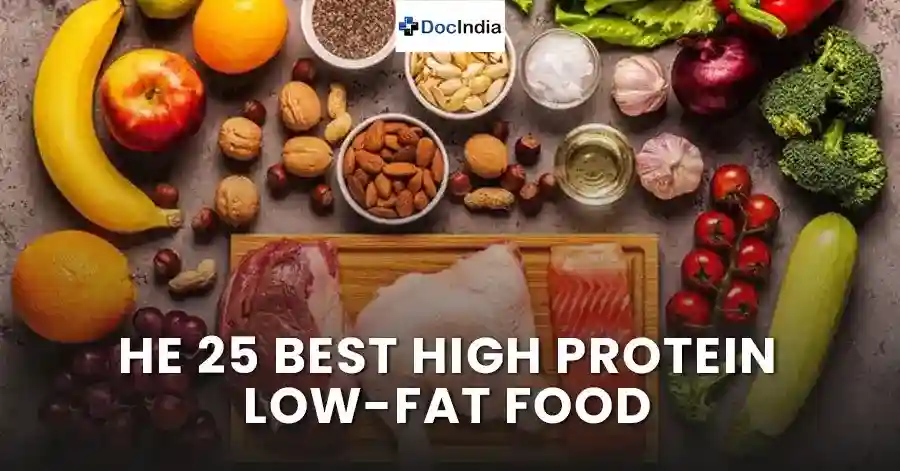
THE 25 BEST HIGH PROTEIN LOW-FAT FOOD
Balancing macronutrients—protein, fat, and carbohydrates—is crucial for overall health and achieving specific fitness goals. Each macronutrient serves a distinct purpose in the body's functioning, ensuring optimal performance and well-being. Protein is renowned for its role in building and repairing muscles and bones. It's essential for maintaining muscle mass, supporting immune function, and synthesizing enzymes and hormones necessary for various bodily processes. Fat, often misconceived as solely detrimental, actually plays a vital role in our health. Beyond providing insulation and cushioning for organs, fats aid in the absorption of fat-soluble vitamins A, D, E, and K. They also serve as a concentrated source of energy and play key roles in cell structure and hormone production. Carbohydrates are the body's primary source of energy. They fuel cells, tissues, and organs, supporting physical activity and cognitive function. Carbs come in various forms, including simple sugars found in fruits and complex carbohydrates found in whole grains, providing both quick and sustained energy.
However, striking a balance between these macronutrients can be challenging, particularly for those aiming to shed excess weight while preserving muscle mass. In such cases, adopting a high-protein, low-fat diet can be beneficial. A high-protein, low-fat diet offers a strategic approach to weight management and muscle preservation. By prioritizing protein intake while limiting fat consumption, individuals can promote fat loss, support muscle maintenance, and safeguard metabolic function. Unlike standard-protein diets, which may lead to muscle loss during weight loss efforts, a high-protein, low-fat diet helps preserve lean muscle mass and sustain metabolic rate, contributing to long-term weight management success.
In essence, balancing macronutrients is key to optimizing health and achieving fitness goals. Embracing a high-protein, low-fat diet can be a valuable tool in this endeavor, offering a sustainable and effective approach to weight management and muscle preservation. By prioritizing nutrient-dense foods rich in protein while moderating fat intake, individuals can fuel their bodies for success, fostering both physical and metabolic well-being. In this comprehensive guide, we'll explore 25 high-protein, low-fat foods that deserve a place on your plate, helping you fuel your body with the nutrients it needs for optimal performance and well-being.
1. Non-Fat or Low-Fat 1% Milk:
- Protein: 8 grams per cup
- Fat: 0.2-2 grams
- Milk is a nutritional powerhouse, packed with protein, calcium, vitamin D, and other essential nutrients vital for muscle and bone health, energy production, and immune support. Start your day right by enjoying milk with breakfast staples like toast, pancakes, cereal, or smoothies.
2. Non-Fat Greek Yogurt:
- Protein: 16 grams per container (5.5 ounces)
- Fat: 0.6 grams
- Greek yogurt is a convenient and versatile option for those aiming to lose weight and build muscle. With its creamy texture and high protein content, it's perfect for snacking, adding to smoothies, or incorporating into savory dishes as a flavorful topping or dip.
3. Low-Fat 2% Cottage Cheese:
- Protein: 24 grams per cup
- Fat: 5 grams
- Cottage cheese is a satisfying and nutrient-dense choice, rich in protein, calcium, and other essential nutrients. Research suggests it may aid in managing hunger, making it an excellent option for those seeking satiety and muscle support. Enjoy it with fruits or vegetables as a snack or incorporate it into your favorite recipes for added creaminess and protein punch.
4. Plant-Based Milk:
- Protein: 7-8 grams per cup
- Fat: 2.5-5 grams
- Plant-based milk alternatives offer a dairy-free option for individuals with allergies or dietary preferences. Soy milk and pea milk stand out as high-protein options, providing a comparable protein content to dairy milk. Use them in place of dairy milk in recipes, cereals, or beverages for a nutritious boost.
5. Edamame and Soy Products:
- Protein: 7 grams (edamame), 10 grams (tofu), 16 grams (tempeh) per half-cup
- Fat: 3 grams (edamame), 6 grams (tofu), 9 grams (tempeh)
- Soybean-based foods like edamame, tofu, and tempeh are nutrient powerhouses, offering protein, fiber, and a variety of vitamins and minerals. Incorporate them into your meals by adding edamame to salads, stir-frying tofu with vegetables, or thinly slicing tempeh for sandwiches or wraps.
6. Beans:
- Protein: 7-8 grams per 3.5 ounces (various)
- Fat: 1-3 grams
- Beans are a nutritional powerhouse, boasting plant-based protein, gut-friendly fiber, and a host of essential vitamins and minerals. Incorporating beans into your diet can aid in weight management and reduce the risk of cardiovascular disease. Experiment with kidney beans in chili, black beans in taco salads, or chickpeas in hummus for a flavorful and nutritious boost.
7. Lentils:
- Protein: 9 grams per 3.5 ounces
- Fat: 0.4 grams
- Lentils, a type of legume, are rich in protein, fiber, and nutrients, making them a valuable addition to any diet. They promote feelings of fullness, aid in blood sugar management, and support blood pressure control. Try tossing quick-cooking lentils into salads or simmering them with broth and herbs for a satisfying soup or stew.
8. Peas:
- Protein: 9 grams per 1 cup
- Fat: 0.4 grams
- Peas, with their smooth texture and uniform size, are a versatile and nutritious addition to meals. They provide protein, fiber, and essential nutrients and can be easily incorporated into soups, stews, rice dishes, or enjoyed as a quick veggie side.
9. Quinoa:
- Protein: 8 grams per cup
- Fat: 4 grams
- Quinoa is a powerhouse of plant-based protein and whole grains, offering a gluten-free option rich in vitamins and minerals. Add cooked quinoa to salads, veggie bowls, or breakfast parfaits for a protein and fiber boost that will keep you feeling satisfied and energized.
10. Peanut Butter Powder:
- Protein: 8 grams per 2 tablespoons
- Fat: 2 grams
- Peanut butter powder provides the rich, nutty flavor of peanuts without the added oils, offering a leaner alternative packed with protein and fiber. Blend it into smoothies or sprinkle it on top of yogurt and fruit for a delicious and nutritious addition to your meals and snacks.
11. Seitan:
- Protein: 25 grams per 3.5 ounces
- Fat: 2 grams
- Seitan, derived from wheat gluten, offers a savory flavor and chewy texture, making it a versatile meat substitute in various dishes. Simmer seitan in flavorful broth for stews or curries, or bake or broil marinated seitan for a meaty addition to fajitas, kebabs, or burgers.
12. Eggs:
- Protein: 6 grams per large egg
- Fat: 5 grams
- Eggs, packed with protein and essential nutrients, are a versatile ingredient suitable for any meal. Enjoy them in omelets with veggies, as a topping for salads, or simply boiled or scrambled for a quick and satisfying snack.
13. Lean Chicken:
- Protein: 27 grams per 3 ounces (skinless, boneless chicken breast)
- Fat: 3 grams
- Lean chicken, a staple in many diets, provides a lean source of animal-based protein along with essential B vitamins and minerals. Opt for skinless, boneless chicken breast or tenderloin, and incorporate them into salads, stir-fries, or wraps for a wholesome meal.
14. Turkey:
- Protein: 26 grams per 3 ounces (light meat)
- Fat: 2 grams
- Turkey, rich in protein and tryptophan, offers a lean and flavorful option for meals. Add turkey deli slices to salads, wraps, or sandwiches, or roast whole turkey breasts for a hearty main dish paired with vegetables or sweet potatoes.
15. Lean Pork:
- Protein: 22 grams per 3.5 ounces
- Fat: 4 grams
- Lean cuts of pork, such as tenderloin and loin, provide ample protein along with essential vitamins and minerals. Opt for healthier cooking methods like baking, grilling, or poaching to retain leanness, and pair lean pork with vegetables or whole grains for a balanced and satisfying meal.
16. Lean Beef:
- Protein: 23 grams per 3.5 ounces
- Fat: 2-6 grams
- Lean cuts of beef, such as round steak and top loin, offer a rich source of protein along with essential nutrients like iron, zinc, and B vitamins. Incorporate lean beef into pasta dishes, roasted vegetable medleys, or hearty stews for a satisfying and nutritious meal.
17. Tuna:
- Protein: 22-25 grams per 3.5 ounces
- Fat: 0.5-1 gram
- Tuna, whether canned or fresh, is a versatile and nutritious option packed with protein, vitamins, and minerals. Enjoy it in salads, sandwiches, or sushi rolls for a flavorful and protein-rich meal that will keep you energized and satisfied.
18. Wild-Caught or Sockeye Salmon:
- Protein: 17-19 grams per 3 ounces
- Fat: 4-5 grams
- Salmon, prized for its omega-3 fatty acids and protein content, offers a heart-healthy option for seafood lovers. Grill, bake, or broil salmon fillets with simple seasonings for a delicious and nutritious main dish paired with your favorite sides.
19. White Fish:
- Protein: 12-20 grams per 3.5 ounces
- Fat: 0.4-1.7 grams
- Lean white fish varieties like haddock, pollock, and tilapia provide protein, omega-3s, and essential nutrients without the added fat. Use them in fish tacos, stir-fries, or grilled fish salads for a light and flavorful meal option.
20. Shrimp:
- Protein: 20 grams per 3.5 ounces
- Fat: 0.5 grams
- Shrimp, low in fat and high in protein, offers a delicious and nutritious seafood option packed with essential nutrients like vitamin B12 and phosphorus. Enjoy shrimp in salads, stir-fries, or pasta dishes for a quick and satisfying meal that's sure to please.
21. High-Protein Pasta:
- Protein: 25-43 grams per 3.5 ounces
- Fat: 0.9-6 grams
- Embrace the diversity of modern pasta with high-protein options crafted from plant proteins like edamame, lentils, and chickpeas. Explore different varieties to find your preferred taste and texture, then pair with a flavorful sauce of chopped tomatoes, roasted veggies, and herbs for a satisfying meal.
22. High-Protein Bread:
- Protein: 5 grams per slice
- Fat: 0.5-2 grams
- Elevate your sandwich game with high-protein bread, effortlessly boosting your protein intake with each slice. Look for brands enriched with seeds and legumes to maximize nutritional benefits and enjoy as toast or a simple sandwich for a quick and nourishing meal.
23. Protein Pancake Mix:
- Protein: 15 grams per serving (1/2 cup dry mix)
- Fat: 2-2.5 grams
- Start your day on a protein-packed note with protein pancake mix, requiring only water to whip up a nutritious breakfast. Enhanced with whey or pea protein, these pancakes provide a hearty and delicious foundation for your favorite toppings like nuts, fruits, or yogurt.
24. High-Protein Cereal:
- Protein: 11-15 grams per serving (1.25-1.33 cup)
- Fat: 1.5-1.7 grams
- Elevate your morning routine with high-protein cereal, fortified with whey, pea, or soy protein for a nutritious start to the day. Choose varieties with ample fiber and minimal added sugars, and enhance with high-protein milk, fruits, nuts, or seeds for added flavor and nutrition.
25. Protein Powder:
- Protein: 26 grams per 39 grams (whey protein), 19 grams per 22 grams (pea protein)
- Fat: 2 grams
- Supplement your diet with protein powder, available in both plant-based and animal-based options, to conveniently boost your protein intake. Blend with water or milk and other smoothie ingredients for a quick and nourishing beverage that supports your active lifestyle.