Sesame Seeds Benefits: Nutrition, Health Uses & Recipes
On this page
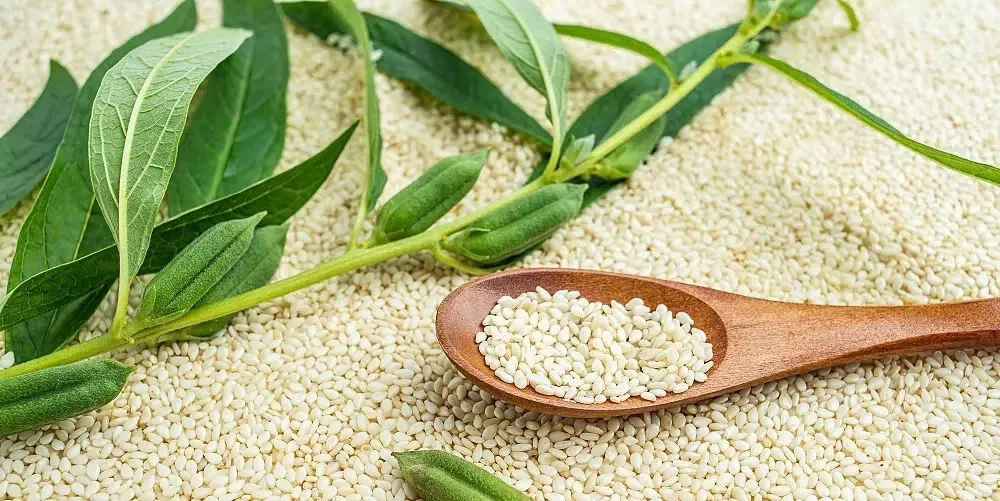
Sesame is a very common type of seed that is used in various types of cuisines. You will find several types of dishes with sesame seeds that may have been used as an ingredient or as a part of a meal, or for garnishing a dish. But do you know that having sesame seeds in your diet can help you get a lot of health benefits? Sesame seeds are rich in nutritional components that are essential for your health.
This article will help you get a detailed idea of some of the most vital health benefits that you may get from adding sesame seeds to your diet, the nutrients that are found in these seeds, and other details.
Why do you need to have sesame seeds in your diet?
Sesame seeds consist of some of the most essential nutrients which include vitamins, including vitamins B and E, minerals such as potassium, iron, phosphorus, magnesium, protein, and so on. The rich sources of copper in sesame seeds are highly beneficial for you, because they help to make your bones, blood vessels, and joints become much stronger, and the iron in these seeds is beneficial for improving the health of blood cells and the hemoglobin count in the body, which can help prevent diseases like anemia. Sesame seeds are also rich in essential nutrients such as amino acids, which are considered to be the building blocks of protein. The other key nutrients, which are crucial for helping in better physiological functioning, may include tryptophan and fat-burning polyphenols such as sesamol and sesamin.
These nutrients in sesame seeds will help you stay healthy and free from the risks of developing various types of health issues. Apart from these types of nutrients, the healthy plant-based compounds and some of the most essential antioxidants that are found in sesame seeds help to keep your organs in good health and aid in developing a strong immune system in your body. So, it is always advisable for you to add sesame seeds to your diet.
What are the health benefits of having sesame seeds in your diet?
When you add sesame seeds to your diet, you are more likely to develop various types of health benefits. These benefits are mostly derived from the rich amounts of natural components that are present in your diet. Some of the major health benefits that one can get from the nutrients that are found in sesame seeds may include the following:
1. Sesame seeds help to reduce inflammation:
Many experts and scientific studies claim that the nutritional components that are found in sesame seeds are rich in anti-inflammatory properties. So, if you have sesame seeds in your diet, you will be able to get rid of diseases that may develop as a result of inflammation. Sesame seeds are rich in minerals like copper, which can help in reducing the risks of inflammation in different parts of the body, including in areas such as the joints, bones, and muscles. As sesame seeds can help in reducing inflammation in the body, the nutrients in these seeds are also capable of preventing the risks of developing various types of chronic diseases, such as the pain of arthritis or chronic lower back pain.
2. Sesame seeds help in better metabolism:
Having sesame seeds in your diet is known to boost the overall metabolism in your body, which can help in better overall functioning (including better digestion and absorption). The rich amounts of proteins in the seeds, when consumed, are gradually broken down to much simpler forms and are later reassembled from their parts into usable forms of proteins that are required for the human body. This improved metabolism can not only help in boosting the energy levels of the body, but can also help in healthier and better cellular growth and mobility. When your metabolic rate increases, your body will also be able to regain better strength.
3. Sesame seeds may keep your heart healthy:
There are many people who are known to suffer from heart problems, but having sesame seeds can provide a natural solution. Seesame seeds may consist of certain types of natural oil-soluble plant lignans, which help in reducing various types of cardiac disorders, such as hypertension. Moreover, the bioactive phenolic plants that are found in significant amounts in the extracts of sesame seeds are known to reduce the risks of developing various types of cardiac and cardiovascular diseases, such as stroke, cardiac arrest, heart attack, heart failure, and so on.
Moreover, the high amounts of minerals such as magnesium that are found in sesame seeds are also helpful in reducing blood pressure and therefore keep you away from the risks of heart diseases. This is because this particular mineral may act as a vasodilator, which can help you to keep your heart healthy. The nutrients in sesame seeds can also prevent an increase in the levels of LDL or bad cholesterol, which can help to keep your heart in good health.
4. Sesame seeds are high in fiber content:
When you are having something in your diet that is rich in fiber content, like sesame seeds, you are going to get different types of health benefits. These benefits may range from healthy weight management to improved digestion. When you take in enough amounts of fiber, then you are likely to have better movement of bowels through the gastrointestinal tract, which can help in reducing the chances of having bowel problems like constipation. The fiber content in sesame seeds will also be beneficial for keeping the colon in good health.
Apart from that, the fiber content in sesame seeds will help you develop a sense of fullness, which can be beneficial for reducing the urge to binge eat, and this will allow healthy weight management by preventing the chances of developing obesity and related types of diseases.
5. Sesame seeds are beneficial for your skin:
Sesame seeds are always referred to by dermatologists as natural remedies for curing various types of skin problems. This is because these seeds are rich in key nutrients, which include minerals like zinc, along with collagen, which aids in strengthening the muscle tissue, hair, and the cells of your skin.
Many dermatologists often recommend the use of sesame oil as well, which is rich in vitamin E and reduces the appearance of burns and marks on the skin. The nutrients in sesame seeds are also essential for reducing some of the most common signs of early aging, such as spots, dullness, wrinkles, fine lines, and so on, and thus help to keep your skin healthy.
6. Sesame seeds are good for your hair:
If you have hair problems, then having sesame seeds can help provide a natural solution. The rich amounts of some of the most vital antioxidants and the plant compounds, such as polyphenols, that are found in sesame seeds can help to promote better hair growth. Many dermatologists recommend the use of sesame oil for massaging the scalp, which makes your hair become strong and healthy. The nutritional components in sesame seeds can also help in delaying the early graying of the hair. Components like vitamins, minerals, amino acids, and antioxidants that are present in sesame oil can help in reducing the dullness of your hair.
What are the side effects of sesame seeds?
There are several types of benefits that one may get from sesame seeds, but one can also develop some side effects. Some of the most common types of side effects may include the following:
Swelling and rashes
Coughing
Breathing difficulties
Sore throat and wheezing
Nausea, vomiting, diarrhea, and other types of digestive problems
Flushed skin
Feeling of tightness in the chest.
Conclusion:
Adding sesame seeds to your diet can result in a lot of health benefits. If you have sesame seeds or use sesame oil, you may get some of the major health benefits such as an improved immune system, better digestion, heart health, better conditions of hair and skin, and so on. Having sesame seeds can be good for your health because of the rich amounts of nutrients that are present in them. But here is a word of caution: if you feel that you are developing side effects from having sesame seeds, especially due to excessive consumption, then it is advisable that you stop having the seeds, and you must also consult with a health care professional at once.
Author

DocIndia Editorial Team
Check cache DocIndia Editorial Team works with Doctors to create informative articles.
View profile