Protein: Need, Source, and Benefits
On this page
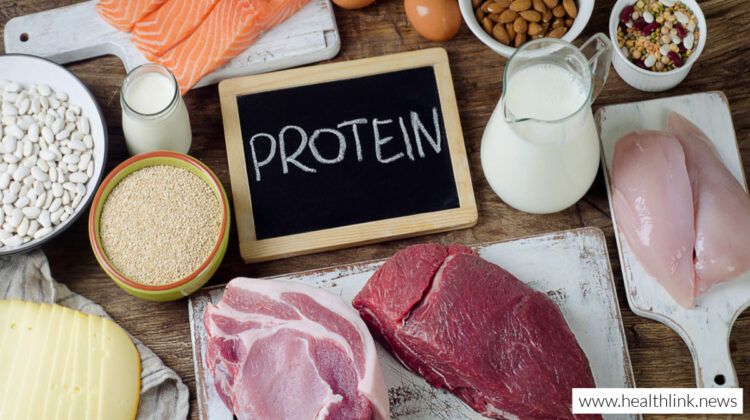
We all know that protein comprises a major portion of our health and body. It is one of the most essential nutritional elements that one requires for proper growth, development, and to keep the body healthy, and easily build up an immune response to fight diseases and thus for the body to function properly.
As doctors say, protein is a form of macronutrient that is composed of amino acids. Though your body can produce amino acids, the nine essential amino acids are derived from food substances. So, it is extremely important to have enough protein-rich foods in your regular diet. It is required in large proportions in the human body to stay healthy and fit. Protein components are required for body and muscle building. Protein is a nutrient that is highly beneficial for the body as it is required for carrying oxygen through blood all over the body and thus helps in the production of energy. There are some other nutritional and health benefits of having protein in your diet. Those benefits need to be thoroughly discussed so that one can get the idea of why they must have protein in their diet.
How Much Protein Do You Need?
There should be a considerable proportion of protein that might be required for the proper growth, development, and functioning of your body. This amount differs from one person to the other and varies based on age, sex, weight, and other factors, though every individual should get roughly 10 to 35% of their calories every day in the form of protein or amino acids. One must remember that protein should be consumed in optimum amounts because excessive amounts of protein in the human body can create other adverse effects. The recommended amount of protein that is required is given as follows:
- Children under 4: 13 grams
- Children of 4 to 8 years: 19 grams
- Children of 9 to 13 years: 34 grams
- Women or girls of 14 years and over: 46 grams
- Boys aged 14 to 18: 52 grams
- Men aged19 and over: 56 grams
Which Food Substances Are Considered As The Best Sources Of Protein?
Certain food substances are considered the richest sources of protein. Protein foods are mainly in two forms-plant-based proteins and animal proteins. These are the best food sources of protein:
- Fish: Fish is considered one of the primary sources of protein that not only provides plenty of vitamins and minerals but also supplies high amounts of omega- 3 fatty acids and amino acids that are necessary elements for protein building in the body. Health care experts thus recommend having fatty fish such as salmon to derive the maximum benefits of proteins.
- Poultry: Poultry chicken, particularly chicken breasts contain large amounts of animal proteins, along with vitamins B complex and minerals such as zinc, iron, and selenium. So, try to keep poultry chicken for at least one meal of your everyday diet.
- Lean beef or pork: though beef and pork or any other types of red meat are not good for all, especially those who have high blood pressure and high cholesterol levels, these can be consumed in limited proportions to get a high amount of protein in your body along with multi- nutrients such as iron, zinc, selenium, and vitamins B12 and B6.
- Eggs: Eggs, mostly whole eggs are the most important sources of protein. Protein is found in high amounts in egg whites. Besides, eggs provide plenty of multi- nutrients such as vitamins A, and B12, minerals, healthy fats, and antioxidants. If anyone has high cholesterol, then it is advisable to avoid the egg yolk or consume it in limited amounts.
- Almonds: If you want to add enough plant-based protein to your diet, have almonds today, because it is rich in protein and other healthy nutrients such as fiber, vitamin E, manganese, and magnesium.
- Dairy products: Milk is the most important component that is known to provide enormous protein to the body, along with a variety of other healthy nutrients such as carbohydrates, healthy fats, vitamins, and minerals. So, doctors suggest the consumption of milk and milk-based products in your daily diet, such as curd, Greek yogurt, cheese, cottage cheese, paneer, etc.
Apart from these, if you want to acquire more protein, then plant-based protein is the right choice for you. The most important sources of getting plant-based protein are given below:
- Nuts such as cashew and peanuts
- Seeds such as gram seeds, sprouts, sunflower seeds, mustard seeds
- Legumes, like beans, peas, or lentils such as kidney beans, soybeans
- Grains, like wheat, rice, pulses, or corn.
Age Protein RDA
child aged 1–3 13 g
child aged 4–8 19 g
child aged 9–13 34 g
female teenaged 14–18 46 g
male teenaged 14–18 52 g
female adult aged 19+ 46 g
male adult aged 19+ 56 g
Why Is Protein Important For Your Body?
Protein is one of the most important components of the body. A major portion of the human body is composed of proteins and amino acids that are considered as the building blocks of protein. So, it is crucial to have enough amounts of protein in your body that will help you to carry out all the necessary physiological functions of the body effectively and to keep your body, cells, tissues, and organs healthy and in stable conditions.
The essential functions played by protein in the human body are as follows:
- It helps in the coagulation of blood and prevents excessive blood loss.
- It improves vision and keeps your eyes healthy.
- It helps with proper growth and development, particularly among young children and during their teen years.
- It helps in the proper secretion of hormones and enzymes.
- Proteins are essential during pregnancy.
- Maintains balance of body fluids.
- Boosts up your immune system.
Benefits Of Having Protein In Your Diet:
The most important health benefits of having protein in your regular diet are as follows:
1. Growth and Maintenance:
Protein is the most essential component that your body needs for proper growth and development. In fact, protein components are required for proper bone and muscle growth during the early days of childhood. Thus, children are advised to have more milk and protein substances. According to recent studies and experiments, protein is also necessary during pregnancy and breastfeeding for increased lactation and help in the baby’s overall growth.
2. Boosts Your Immune System:
The important components of the human immune system comprise T cells, B cells, and antibodies. Proteins consist of amino acids that are used by these cells for strengthening the immune response and making the body able to fight any external disease or foreign body easily. In fact, if you have enough protein in your body, then it will be easier for you to treat any wound, especially after surgery or after hurting yourself as you are less likely to develop an infection.
3. Bone Strengthener:
Protein helps in the proper utilization of calcium within the bones and thus improves bone joints. In fact, protein helps in the proper growth of bones and muscles among younger children in their years of growth and prevents the chances of developing bone joint-related disorders like osteoporosis (bone loss) by maintaining proper bone density.
4. Cuts Cravings:
When you have wholesome food that is rich in the content of protein substances, you are less likely to feel further cravings or any false urge to have any food, especially junk foods. This helps you to keep away from unhealthy food and reduce unnecessary weight gain.
5. Heart Helper
Protein substances or the consumption of protein-rich foods are known to keep your heart healthy because these can lower your blood pressure and control your cholesterol levels.
How To Get Enough Protein? Here Are Some Tips?
Many a time it has been found that most people are usually worried about what food substances to have in their regular diet to derive enough amount of protein in their bodies, at least in the optimum amounts. There are a number of food substances but you should know the correct way to increase your protein intake. Some such techniques are given as follows:
- Cut out your fried snacks and replace them with high-protein ones such as Nutri-bars or oatmeal
- Have soup or broth with chicken, chickpeas, fish, or eggs
- Do not skip the milk, eggs, or nuts like almonds in your breakfast; you can also have peanut butter for getting a good amount of protein in a healthy way
- Have salads for lunch and dinner; you can have curries made of soybeans, pulses, or kidney beans in your dinner or lunch
- Remove extra sugar or glucose-like substances from your protein intake to get better results.