Protein in Mutton per 100g - Nutrition Facts Information
On this page
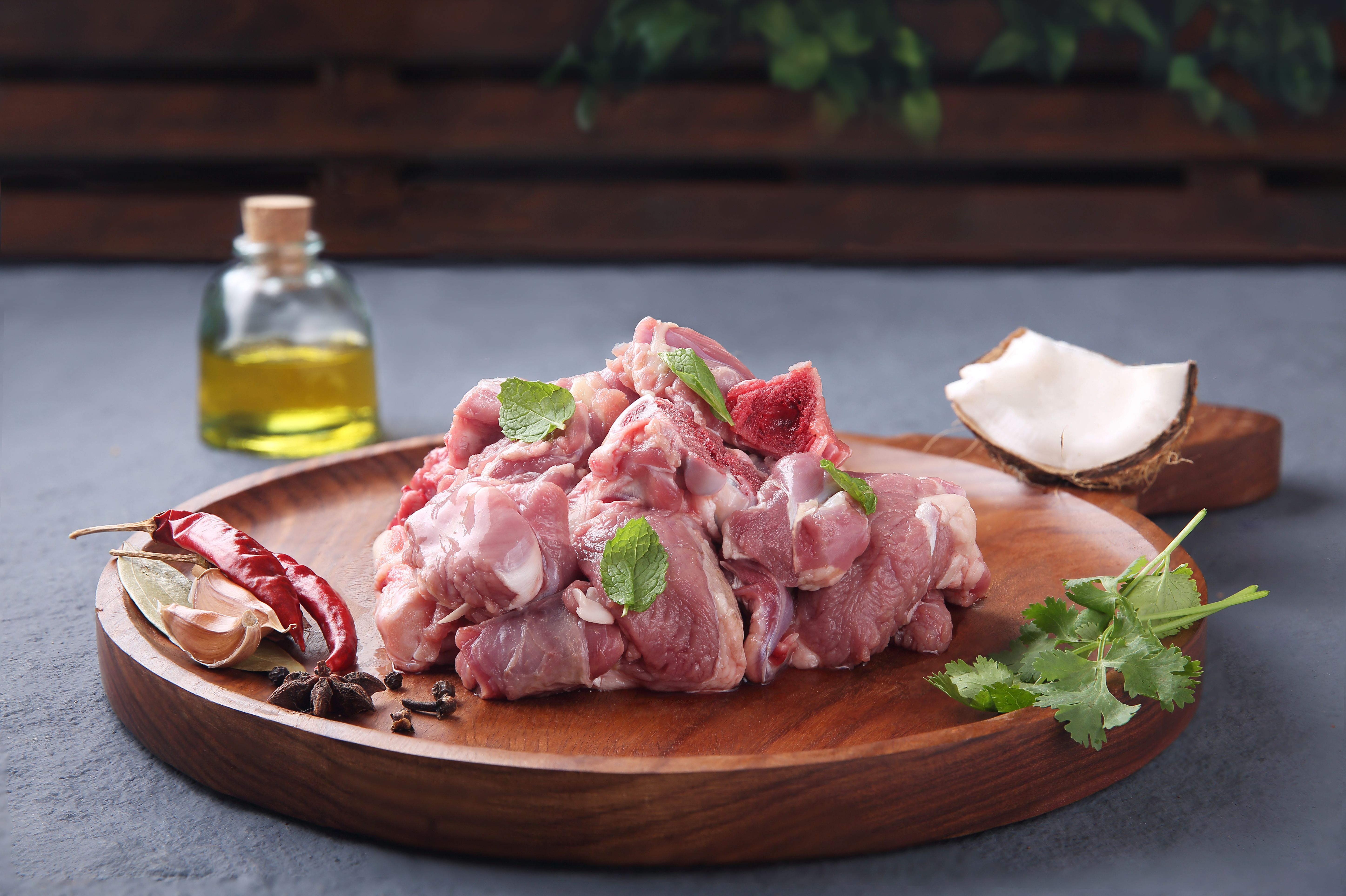
Mutton is a kind of red meat that is obtained from the flesh of adult sheep. It is often considered as one of the major sources of protein that you may add to your diet. Besides being rich in protein, mutton can also be a rich source of some of the most vital nutrients that are needed in your body. So, before adding mutton to your diet, read this article to know the amount of protein present in mutton, the different types of nutritional components that are present in mutton, the health benefits that you can get from this meat, and other necessary details.
Protein content in mutton:
Mutton is a rich source of animal protein that your body needs for undergoing various vital physiological functions. If you consume 100 grams of mutton, then you can get approximately 25 to 27 grams of protein. Thus, it can be said that mutton can be one of the most protein-concentrated meats that you can have in your diet. In fact, mutton protein is much denser compared to protein derived from other animal food sources. The high-quality protein that is derived from mutton also plays a crucial role in supporting better muscle growth, improving tissue repair, and maintaining overall physiological functions.
What is the type of protein you will get from per 100 grams of mutton?
Though you may not get high-quality protein from mutton, which is as good as fish, eggs or chicken, you may still get enough protein from mutton. In fact, if you have a stew or a curry made with100 grams of mutton, you are likely to get complete protein, which means the protein in mutton contains all nine essential amino acids that are required in your body for better physiological functions and yet the body cannot produce these amino acids on its own.
It is also important to note that the amount of protein that is present in mutton will depend on the cut of the mutton. Lean cuts of mutton tend to have a higher proportion of protein per 100 grams. On the contrary, if you have fattier cuts of mutton, you are likely to get lesser amounts of protein as these pieces are high in fat content.
Health benefits of protein from mutton:
There are certain health benefits that you are likely to get from the protein present in 100 grams of mutton. Some of them can be listed here as follows:
1. Better quality and bioavailability of the protein
2. Aids in better synthesis of enzymes and hormones
3. Helps in muscle repair
4. Improves overall growth and development.
What you need to be cautious about while having mutton:
Though mutton is quite a rich source of protein, it is also important to note that mutton is a type of red meat, and it is therefore highly rich in fat content. So, if you are someone who has obesity, needs to undergo weight management, has cholesterol or similar types of cardiac ailments, it is important to have mutton in moderation.
Which specialist should you consult before adding fish to your daily diet?
Mutton is a type of meat that, despite being a rich source of protein and other nutrients, is also rich in high amounts of fats. So, it is always safe to consult with a specialist to be aware of your health and the side effects of having mutton before you add it to your diet. So, before having mutton, you can consult with a registered Dietitian (RD) or your Primary Care Physician (PCD) before having fish, especially if you have health conditions that do not require you to have too much mutton.
Final Thoughts:
Mutton is a commonly consumed meat and is often considered a healthy meat option to add to your balanced diet. Alongside getting enough protein, you will also get several nutritional components that will help to provide you with health benefits and are required for healthy physiological functioning. You will not only get complete protein from mutton, but you will also likely have other health benefits as well. But it is important to consume mutton in moderation and after having expert opinion, especially if you have high cholesterol or triglyceride levels.
Also Check: Calories in One Scoop of Whey Protein - Docindia.org
Authors

Bidiptaa Sen
MA in Mass Media and Communication, Jadavpur University With 3.5+ years of experience in writing marketing and SEO content on healthcare and wellness, I write articles that help people to get an idea regarding medicines that are prescribed, how to improve their wellness care and educate people how to choose accurate health facilities. My communication skills, depth of knowledge in media management and strategic methods for better social media engagement and improving readers' experience through extensive research on the healthcare scenario.
View profile
Sania Thakur
Content writer and marketing professional with strong sales and business skills. Experienced in web content writing, data annotation, and teaching, with a proven ability to craft engaging content and drive audience growth. Background in English Literature and Language Teaching from Aligarh Muslim University. Passionate about communication, branding, and strategic market analysis.
View profile