Is Water Enough to Keep Us Hydrated?
On this page
- How much water should we drink daily?
- Factors that affect how much water we need
- Signs of dehydration
- Benefits of staying hydrated
- The role of other beverages and foods in hydration:
- The dangers of overhydration and how to avoid it:
- The importance of electrolytes in hydration:
- The impact of climate on hydration needs:
- The best time to drink water for optimal hydration:
- The effects of various types of water on hydration:
- Conclusion
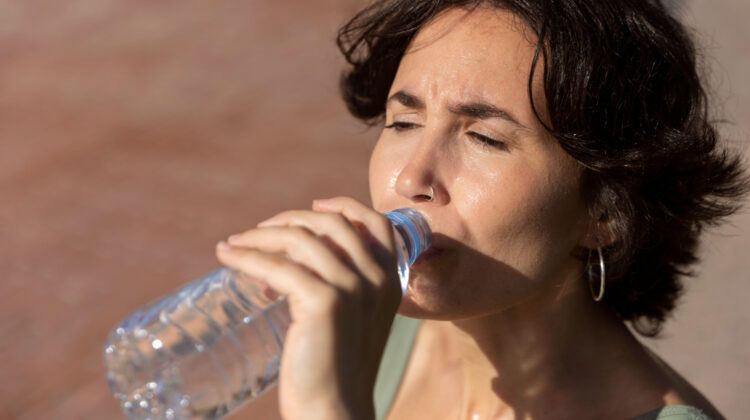
Water is essential for our bodies to function properly, and staying hydrated is crucial for maintaining overall health and well-being. While it is commonly known that drinking water is important, there are many factors that can affect how much water we need, as well as the best ways to stay hydrated. In this article, we will explore various aspects of hydration, including how much water we should drink daily, the signs of dehydration and how to prevent it, the importance of electrolytes, the impact of climate on hydration needs, and the effects of various types of water on hydration. Understanding the importance of hydration and how to maintain proper hydration can help to support overall health and well-being.
How much water should we drink daily?
How much water a person should drink daily varies depending on various factors, such as age, gender, body weight, activity level, and climate. The general recommendation is to drink at least 8 cups (64 ounces) of water per day. However, some experts suggest that the daily water intake should be higher, ranging from 91 ounces (2.7 liters) for women and 125 ounces (3.7 liters) for men.
Factors that affect how much water we need
Factors that affect how much water we need include:
- Body weight: The more someone weighs, the more water they need.
- Physical activity level: People who engage in strenuous exercise or are physically active tend to require more water than those who are sedentary.
- Climate: People living in hot and dry climates need more water than those living in cooler environments.
- Age: Children and older adults tend to have a higher risk of dehydration and require more water intake.
- Gender: Men tend to require more water intake than women due to having a larger body mass.
- Health status: People with certain medical conditions, such as kidney stones or diabetes, may require more water intake.
It is important to note that the above recommendations are general guidelines, and individual needs may vary. The best way to determine how much water one should drink daily is to monitor urine color and frequency, as well as to consult a healthcare professional.
Signs of dehydration
Signs of dehydration include:
- Thirst: This is the most obvious sign of dehydration. If you feel thirsty, your body is telling you that it needs more water.
- Dark urine: When you are dehydrated, your urine will be darker in color and have a strong odor.
- Fatigue: Dehydration can cause you to feel tired and sluggish.
- Headache: Dehydration can lead to headaches and migraines.
- Dry mouth and throat: If you feel like your mouth is dry, or you have a sore throat, it may be a sign of dehydration.
To prevent dehydration, it is important to drink plenty of fluids throughout the day, especially water. Eating fruits and vegetables with high water content, such as watermelon and cucumbers, can also help with hydration. Avoid alcohol and caffeine, as they can cause dehydration.
Benefits of staying hydrated
The benefits of staying hydrated include:
- Improved physical performance: Staying hydrated can improve physical performance, as dehydration can lead to fatigue and muscle cramps.
- Better digestion: Drinking enough water can help with digestion and prevent constipation.
- Clearer skin: Staying hydrated can improve skin elasticity and prevent dryness and wrinkles.
- Improved cognitive function: Dehydration can impair cognitive function, so staying hydrated can help with mental clarity and focus.
- Better overall health: Staying hydrated can help prevent urinary tract infections, kidney stones, and other health problems related to dehydration.
The role of other beverages and foods in hydration:
While water is the best way to stay hydrated, other beverages and foods can also contribute to overall hydration levels. Some examples include:
- Fruit and vegetable juices: These can be a good source of hydration, especially if they are made with whole fruits and vegetables and do not contain added sugars.
- Milk: Milk is a good source of hydration and provides important nutrients like calcium and vitamin D.
- Herbal tea: Herbal teas like chamomile and peppermint can be hydrating and have added health benefits.
- Sports drinks: Sports drinks can be useful for athletes who need to replenish electrolytes lost through sweat during intense exercise.
It is important to note that some beverages, such as soda and energy drinks, are not good sources of hydration due to their high sugar and caffeine content. Alcohol should also be avoided or consumed in moderation, as it can cause dehydration.
The dangers of overhydration and how to avoid it:
While staying hydrated is important, it is possible to overhydrate, which can be dangerous. Overhydration, or hyponatremia, occurs when the body has too much water and not enough electrolytes, which can lead to swelling of the brain and other health problems. It is more common in endurance athletes who consume excessive amounts of water during long events.
To avoid overhydration, it is important to:
- Drink fluids in moderation: Drinking water and other fluids in moderation throughout the day is key to avoiding overhydration.
- Pay attention to thirst: Thirst is a signal that the body needs more fluids, so it is important to drink in response to thirst.
- Monitor urine color: Urine color can be a good indicator of hydration levels. Clear urine may indicate overhydration, while dark urine may indicate dehydration.
- Consume electrolytes: Consuming electrolytes, such as sodium and potassium, can help maintain electrolyte balance and prevent overhydration.
While other beverages and foods can contribute to overall hydration levels, it is important to consume them in moderation and pay attention to the body’s signals to avoid overhydration.
The importance of electrolytes in hydration:
Electrolytes are minerals that are essential for various bodily functions, including maintaining fluid balance. They help to regulate the amount of water in the body’s cells, tissues, and organs, and help to maintain proper nerve and muscle function. Electrolytes include sodium, potassium, calcium, magnesium, and chloride.
When we sweat, we lose electrolytes along with water, which can lead to an electrolyte imbalance. This can cause dehydration, muscle cramps, and other health problems. To maintain proper hydration, it is important to replenish lost electrolytes by drinking fluids that contain electrolytes, such as sports drinks or coconut water. Eating foods that are rich in electrolytes, such as bananas, avocados, and spinach, can also help to maintain electrolyte balance.
The impact of climate on hydration needs:
The climate can have a significant impact on hydration needs. In hot and humid climates, we lose more water through sweating and therefore require more fluids to maintain hydration. Additionally, high altitudes can cause us to lose more water through breathing and can increase our need for fluids.
In cold climates, we may not feel as thirsty, but our bodies still require hydration. The dry air in cold climates can also cause us to lose more water through breathing, which can contribute to dehydration.
It is important to pay attention to the climate and adjust fluid intake accordingly. In hot and humid climates, it is recommended to drink fluids before, during, and after physical activity, and to drink fluids even if you do not feel thirsty. In cold climates, it is important to drink fluids throughout the day, even if you do not feel thirsty, and to avoid alcohol and caffeine, which can contribute to dehydration.
Electrolytes play a crucial role in maintaining hydration and should be replenished along with fluids. The climate can have a significant impact on hydration needs, and it is important to adjust fluid intake accordingly to prevent dehydration.
The best time to drink water for optimal hydration:
It is important to drink water throughout the day to maintain optimal hydration. However, there are certain times when drinking water may be especially beneficial:
- In the morning: Drinking water first thing in the morning can help to kickstart hydration and promote digestive health.
- Before meals: Drinking water before meals can help to prevent overeating and aid in digestion.
- During and after exercise: Drinking water during and after exercise can help to replace fluids lost through sweat and maintain hydration.
- Before bed: Drinking water before bed can help to prevent dehydration overnight and promote better sleep.
The effects of various types of water on hydration:
All types of water can help to hydrate the body, but there are some differences between different types of water:
- Tap water: Tap water is typically treated with chemicals such as chlorine and fluoride, which can affect the taste and quality of the water. However, tap water is safe to drink and can be a good source of hydration.
- Bottled water: Bottled water can be convenient and is often marketed as being of higher quality than tap water. However, it can be expensive and may not necessarily be of better quality than tap water.
- Filtered water: Filtered water can be a good option for those who want to remove impurities from their drinking water. Different types of filters can remove different contaminants, such as chlorine, lead, and bacteria.
- Sparkling water: Sparkling water can be a good option for those who prefer a carbonated beverage. However, it is important to note that the carbonation can cause bloating and may not be as effective at hydrating the body as still water.
Conclusion
In conclusion, staying hydrated is crucial for maintaining overall health and well-being. Water is essential for keeping our bodies functioning properly, and it is important to drink enough water throughout the day to prevent dehydration. The amount of water we need varies depending on factors such as age, gender, activity level, and climate. Signs of dehydration include thirst, dry mouth, fatigue, and headache, among others. To prevent dehydration, it is important to drink fluids throughout the day, pay attention to the climate, and replenish lost electrolytes. Additionally, there are various types of water available, each with its own benefits and drawbacks, and it is important to choose the type of water that best fits your preferences and needs. By staying hydrated, we can help to support our overall health and well-being.