How Many Fruits and Vegetables Do We Really Need?
On this page
- Fruits and vegetables “amount you need” in your diet
- The average intake of fruits and vegetables
- Servings of fruits and vegetables
- Do vegetables help to prevent heart disease?
- Vegetables also help you to lose weight
- Which form of vegetables is healthier?
- Strategies to Increase the Consumption of Fruits and Vegetables
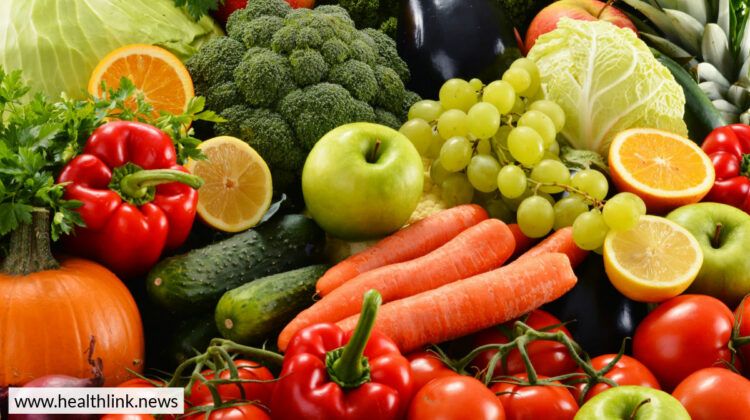
Fruits and vegetables are the essential components of your diet. These are the major sources through which you can make your life healthier. In most diseases, fruits and vegetables play a vital role as a preventer. By including them in your diet, you can prevent that disease. Intake of fruits and vegetables can enhance the metabolism of your body. Enhancement of the metabolism will result in making your body better to fight against the different types of infections as well as allergies. The basic thing you need to consider while consuming them is the amount of intake.
Fruits and vegetables “amount you need” in your diet
According to the study, the most effective combination of fruits and vegetables is two servings of fruits plus three servings of vegetables per day, which means a total of five servings daily.
The efficiency of the vegetables came from eating green leafy vegetables such as kale, and spinach, and fruits rich in vitamin C such as berries and citrus fruits. These are also the primary sources that play a major role as antioxidants to prevent cancer.
However, eating more than five servings of fruits and vegetables does not mean that they provide an extra benefit or lower the possibility of death. It just gives you a healthy and balanced diet for your good health.
The average intake of fruits and vegetables
The average intake of fruits and vegetables helps you to prevent some unhealthy conditions.
The average intake of fruits and vegetables in various countries was five servings per day. Countries like Spain, Greece, and Italy are the leaders in consuming fruits and vegetables.
Italian men take 7.5 portions a day whereas Spanish women take 6.7 portions. On the other hand, U.K men managed to have 4.1 portions a day, and women 4.8 portions. And so on.
You should know one thing, that in your diet you do not need to make major changes, it is just minor changes that matter, and they are: –
- For breakfast– you can have a bowl of cereal with some blueberries, or either egg and sauteed tomatoes, onions, and spinach
- For lunch– you can have a salad with any of the fruit and vegetables of your choice (such as kale and spinach salad with grapefruit chums, red peppers, pine nuts, and carrots), a cup of yogurt with strawberries or blueberries.
- For dinner– it can include a side salad or a large portion of vegetables such as steamed broccoli and zucchini.
- For dessert– the best thing is to have frozen fruits which are healthy and delicious with frozen yogurt.
Note- if you are unable to eat enough vegetables for the entire day then you need to make your meal by having a large colorful vegetable salad and some chunks of protein, such as chicken or soya chunks.
Servings of fruits and vegetables
The amount of serving gives you the accurate balance of consuming them and it is important for your good health.
You need to have a combination of vitamins, minerals, and other beneficial nutrients in your diet.
Servings include:
Fruits with their serving size:
- Apple (1 fruit)
- Apricots (1 fresh, ½ cup canned, or 5 dried)
- Avocado (½ fruit or ½ cup)
- Banana (1 fruit)
- Blueberries (½ cup fresh, frozen, or canned)
- Cantaloupe (½ melon)
- Grapes (½ cup)
- Orange (1)
- Strawberries (½ cup fresh, frozen, or canned)
Vegetables with their serving size
- Broccoli (½ cup)
- Brussels sprouts (½ cup)
- Cabbage (½ cup)
- Carrots (½ cup cooked or raw)
- Celery (2-3 sticks)
- Corn (1 ear or ½ cup frozen or canned)
- Eggplant (½ cup)
- Onion (1 slice)
- Peppers (3 slices green, yellow, or red)
- Spinach (½ cup cooked or 1 cup raw)
- Vegetable soup (1 cup)
- Sweet potatoes (½ cup)
- Tomatoes (2 slices)
Do vegetables help to prevent heart disease?
Due to different research, it is found that diets rich in vegetables may enhance the heart’s health conditions and reduce the early age of death.
Several studies show that 70% of the reduction of heart disease belongs to those who eat the most vegetables. Because of the presence of high amounts of fiber and antioxidants that are present in vegetables.
On the other hand, eating enough vegetables not only helps you to protect your heart but also helps you to live longer. Around 8 ounces (231 grams) of vegetables or up to a combined 18 ounces (500grams) of fruits and vegetables a day helps you to reduce the risk of heart disease and increase your life expectancy.
Moreover, the average intake of fruits and vegetables is five servings a day. But a new research study finds that eight servings can be needed to reduce the risk of dying from heart disease. However, the population of 300,000 people across eight countries in Europe ate at least eight portions of fruits and vegetables which lowers the 22% risk of dying from heart disease from those who take three portions per day.
Vegetables also help you to lose weight
As eating vegetables helps you to lose weight, that is one of the factors you need in your daily life routine. Losing weight is due to several factors as vegetables contain very few calories and are rich in fiber. Because of the richness of fiber, you may feel full for longer. There is a fiber that is the source of reducing appetite and this fiber is viscous fiber. Thus, including vegetables in your diet can help you to lose weight as well as relieves hunger through which we can intake fewer calories. Certain studies show that fruit and vegetable intake allows you to lose on average 0.3 pounds (0.1 kg) for each 4-8 fluid ounces (125-250 ml) without adding non-starchy vegetables per day.
Which form of vegetables is healthier?
Vegetables are found in many forms such as fresh vegetables, frozen and canned. The quality of the vegetables and the nutrients that are present in them depends upon their form:
- Most people consider fresh vegetables as the best source. And the level of nutrients declines when it is stored.
- In comparison, frozen ones can lose between 10 to 80% of their nutrients during blanching (it is a process in which the vegetables are partially boiled before they freeze).
- There are also canned vegetables that are found after heating them. Heating makes them less nutritious.
Thus, you need to prefer fresh or frozen vegetables over canned or juiced varieties.
Strategies to Increase the Consumption of Fruits and Vegetables
Diet rich in fruits and vegetables helps you to reduce the risk of many causes of illness and death such as heart disease, type 2 diabetes, some cancers, and obesity. So, the availability of fruits and vegetables is important to consume them. If you are consuming them properly, you can enhance the quality of your diet and lifestyle.
The following are the strategies that need to be done to consume fruits and vegetables:
- Producing farms for institutions such as schools, childcare centers, hospitals, workplaces, etc. so that the availability of fruits and vegetables is easy for the people present there.
- Accessibility to fruits and vegetables can be improved in retail stores that sell high-quality fruits and vegetables so that people consume more nutritious food.
- Also ensures the accessibility of fruits and vegetables in the workplaces as well so that they are available easily.
Thus, accessibility is the main factor through which you can easily intake or consume fruits and vegetables. Also, employees and families can benefit from the available healthy foods and can improve their diet.