How many calories should i burn to lose 1 kg 2026 Updated
On this page
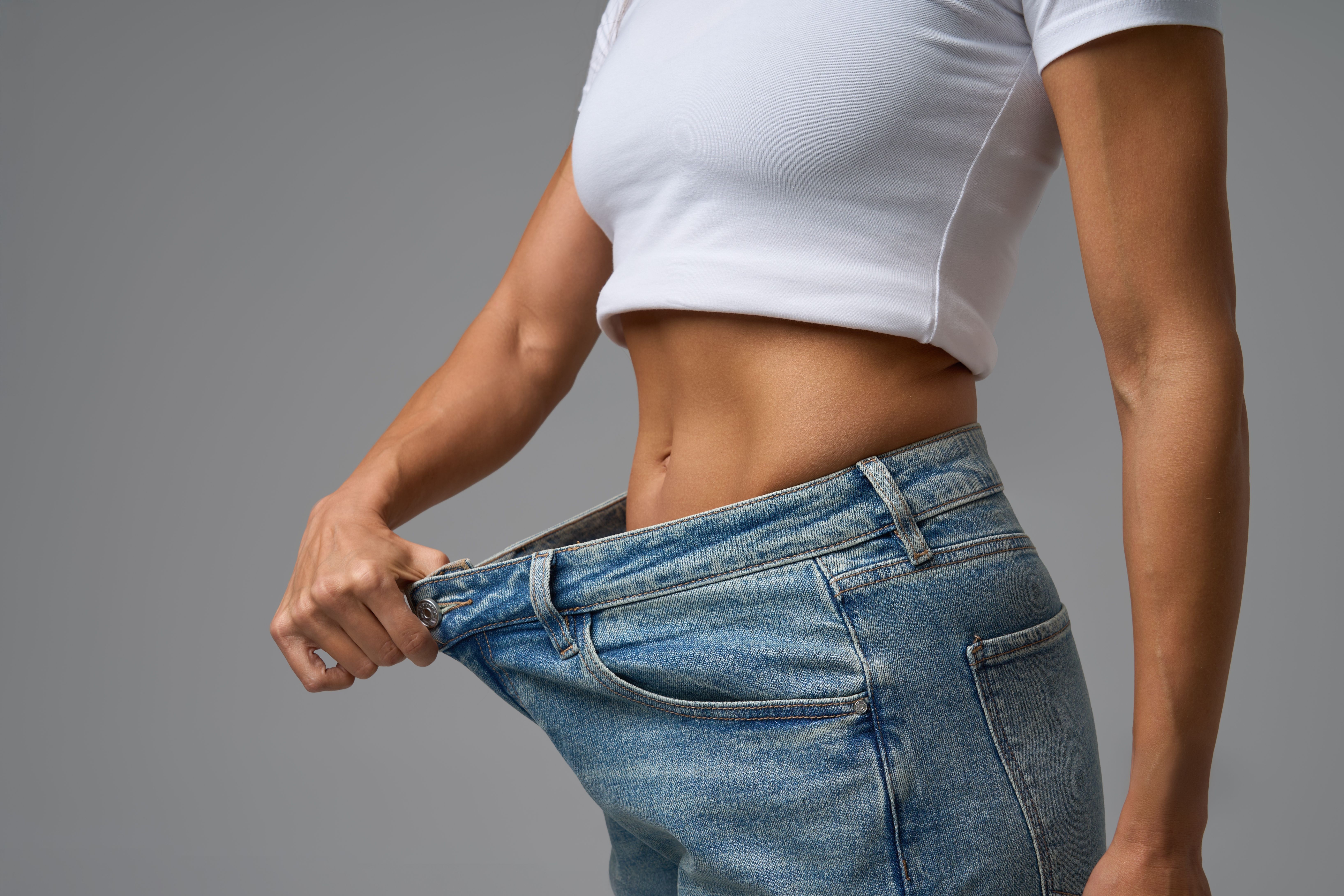
Healthy weight management is often a common goal among those who value good health and overall wellness. This is important because maintaining a healthy body weight can help you to maintain healthy physiological functioning, which will help to improve your well-being. This article will therefore help to give you an idea of the number of calories that you need to burn to lose 1 kg, approaches, possibilities, and other details.
What must you keep in mind for a healthy body weight?
In order to undergo healthy weight management, it is very important to prioritise the 7700-calorie rule. Generally, the average calculation shows that one pound of fat equals about 3,500 calories, and 1 kg equals roughly 2.2 pounds. So, approximately 1 kilogram of body fat may contain around 7,700 (kcal) calories in the form of stored energy.
Therefore, if you are willing to lose almost 1 Kg og body fat, then you may need to create a total calorie deficit of about 7,700 calories in your body gradually.
What is the calorie deficit all about?
Losing your body weight, by whichever amount you want, should be achieved by creating a calorie deficit of a certain amount. Deficit of calories is the lesser number of calories in the body.
This can be created either through low calorie intake, that is, measuring portion sizes or eating foods that are low in calorie content, or through burning calories. So, in this way, if you continue to create a deficit of 1000 calories each day, for around 7 to 8 days straight, then you are likely to lose 1 kg of body fat healthily, within a week or so.
It is also important to note here that the amount of calories that are required to be burned for losing 1 kg of body fat would often depend on how your body stores energy. So, this healthy weight loss journey will be different for different people.
Reasons why weight loss can vary:
Weight loss can be different for different people, and these are some of the reasons:
1. Water weight:
According to many experts, if you are undergoing early weight loss when you wish to get rid of excess carbohydrates, often includes water.
2. Metabolism:
Metabolism may gradually change, mostly slow down when you are undergoing weight loss.
3. Muscle loss:
You may lose some amounts of weight around your muscles if you do not consume enough amounts of protein or if your strength training is not sufficient enough.
4. Individuality:
Individual metabolism and body weight can highly affect overall fat distribution and calorie burning for reducing body weight. The weight management may vary from one person to the other based on different factors such as gender, body composition, age, and hormonal synthesis, which can often affect calorie usage and needs.
It is also important to know that there are certain types of health problems, due to which you may also experience loss of body weight. For instance, people who have blood glucose levels can experience weight loss, or women who have polycystic ovarian disease (PCOD) may have slower weight loss due to insulin resistance and hormonal imbalances. In such cases, it is important to consult an expert to determine whether burning body fat is needed for them at all or not.
Which doctor to consult before reducing body fat?
Healthy weight management is highly beneficial for you to stay healthy and get rid of various types of diseases, such as obesity, cardiac ailments, and so on. And those who want to undergo healthy weight loss can help you to stay physically fit. But before losing your body weight through burning calories, it is always required to consult an expert.
For this, you need to consult a registered dietitian or a nutrition expert who will be able to tell you how much (in kgs) of body weight you can be beneficial for your health, how many calories you may need to burn, and other vital details.
Final Thoughts:
Losing your body weight, but within healthy limits, can be quite beneficial for your health. Losing your body weight would require you to create a calorie deficit in your body. That would mean that you will have to burn more calories than you consume. But before you go for weight management, you must first seek expert opinion.
Also Check: Foods That Burn Belly Fat: Fat Burning Foods for Weight Loss
Authors

Bidiptaa Sen
MA in Mass Media and Communication, Jadavpur University With 3.5+ years of experience in writing marketing and SEO content on healthcare and wellness, I write articles that help people to get an idea regarding medicines that are prescribed, how to improve their wellness care and educate people how to choose accurate health facilities. My communication skills, depth of knowledge in media management and strategic methods for better social media engagement and improving readers' experience through extensive research on the healthcare scenario.
View profile
Surbhi Singhal
Surbhi is dedicated and self-motivated Ph.D. scholar passionate about Content Creation, Editing, and Teaching. I excel in dynamic environments, thrive on challenges, and am eager to contribute my expertise and enthusiasm in pushing the boundaries of knowledge.
View profile