6 Healthy Gluten-Free Roti Options for Coeliac & Gluten Sensitivity
On this page
- What is Gluten-Free Roti?
- Why Choose Gluten-Free Roti?
- 6 Best Gluten-Free Roti Options
- Advantages of Consuming Gluten-Free Roti
- FAQs
- ● What are some of the most popular gluten-free rotis in India?
- ● Is bajra roti gluten-free?
- ● Which is the healthiest gluten-free roti?
- ● Can gluten-free Indian bread aid weight loss?
- ● How can you make soft gluten-free rotis?
- Key Takeaways
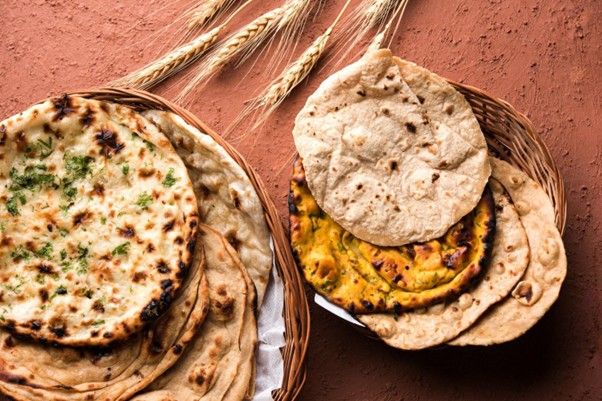
Are you dealing with coeliac disease, gluten sensitivity, or allergies related to wheat? If so, switching to gluten-free Indian bread such as roti is more than just a dietary choice. It’s a necessity for better health.
Research shows that nearly 5% of the global population is affected by gluten-related conditions. In India, the numbers are just as striking. Studies suggest that 6-8 million people may be living with coeliac disease, particularly in the north, where the prevalence is estimated at 1 in every 100 individuals.
This article is here to help you by suggesting 6 healthy and nutritious gluten-free roti options. Read on!
What is Gluten-Free Roti?
A gluten-free roti is a traditional Indian flatbread made without wheat flour. Instead, it uses alternative flours such as millet, rice, or chickpea flour. These flours do not contain gluten proteins that trigger digestive and immune issues in sensitive individuals.
While it looks and tastes similar to regular roti, it offers a safe and nourishing option for people who cannot tolerate gluten.
Why Choose Gluten-Free Roti?
Choosing gluten-free flour for roti helps you enjoy Indian meals without the discomfort of bloating, indigestion, or fatigue often caused by gluten. If you are someone suffering from coeliac disease or gluten intolerance, avoiding gluten is the only proven treatment you can have.
Gluten-free rotis are also lighter on digestion and can be an excellent option for those trying to maintain a balanced and nutrient-rich diet.
6 Best Gluten-Free Roti Options
There are many ways to make gluten-free Indian bread, each with its own unique flavour and nutritional value:
1. Buckwheat Roti: Earthy in taste, buckwheat rotis are rich in minerals and are often enjoyed during fasting in India.
2. Besan Roti (Chickpea Flour Roti): Besan rotis are packed with protein! They taste slightly nutty and pair well with curries.
3. Rice Flour Roti: Soft and light, rice flour rotis are easy to digest and suitable for those with multiple food sensitivities.
4. Almond Flour Roti: Almond flour rotis are low in carbs but high in protein and healthy fats. These qualities make them popular in keto diets.
5. Oat Flour Roti: Rich in fibre and heart-friendly, oat rotis help in maintaining cholesterol levels.
6. Quinoa Flour Roti: Quinoa flour rotis are perfect for boosting energy and supporting weight loss , as they are rich in protein and gluten-free.
Comparison of Popular Gluten-Free Flours for Roti
Flour Type |Taste & Texture |Nutritional Highlights|Best Paired With
Buckwheat Flour | Earthy, slightly nutty, soft when warm | Rich in magnesium, manganese, and antioxidants | Yogurt, vegetable curries, fasting meals
Chickpea (Besan) | Nutty flavour, dense texture |High in protein, folate, and iron | Paneer dishes, spicy sabzis, chutneys
Rice Flour | Mild taste, light and soft | Easy to digest, gluten-free carbs, low fibre | Fish curry, dal, South Indian gravies
Almond Flour | Slightly sweet, soft, and pliable | High in protein, vitamin E, and healthy fats | Low-carb diets, keto-friendly side dishes
Oat Flour | Mildly sweet, chewy texture | High in soluble fibre, supports heart health | Vegetable stews, soups, light curries
Quinoa Flour | Slightly bitter, firm texture | Complete protein, rich in iron and magnesium | Protein bowls, lentil dishes, salads
Advantages of Consuming Gluten-Free Roti
Switching to gluten-free roti comes with several nutritional advantages, such as:
● High Protein: Protein is essential for muscle repair, energy, and overall strength. Flours made from chickpea, quinoa, or jowar are naturally rich in plant-based protein. This makes them a great choice if you are a vegetarian, vegan, or looking to boost your protein intake without relying on meat or dairy.
● Low Glycaemic Index: Unlike refined wheat flour, these flours have a low glycaemic index. This means they release sugar into the bloodstream slowly. So, they prevent sudden spikes and crashes in blood sugar levels. It’s particularly beneficial for diabetes and weight management.
● High in Fibre: Gluten-free flours such as millet, buckwheat, or brown rice flour are loaded with dietary fibre. This helps improve digestion, supports gut health, and keeps you feeling full for longer.
● Nutrition-Rich: Gluten-free flours are packed with essential nutrients. They provide vitamins like B-complex, minerals such as iron, magnesium, and zinc, along with natural antioxidants.
To conclude, adopting a gluten-free lifestyle does not mean giving up on the foods you love. Gluten-free rotis are a healthy and delicious way to enjoy Indian meals. Whether you choose buckwheat, jowar, quinoa, or rice flour, these breads provide nourishment without the discomfort gluten can bring.
FAQs
● What are some of the most popular gluten-free rotis in India?
In India, you can find many naturally gluten-free options such as bajra, jowar, ragi, makki, rice flour, and rajgira rotis. These are safe for people with coeliac disease or gluten sensitivity. Also, rotis made with these flours are widely eaten in traditional diets.
● Is bajra roti gluten-free?
Yes, bajra roti is completely gluten-free. It is high in fibre, iron, and magnesium, making it not only safe but also beneficial for people with gluten intolerance, diabetes, or digestive concerns.
● Which is the healthiest gluten-free roti?
Among the healthiest options are jowar and ragi rotis. They provide a balance of protein, fibre, calcium, and iron. They are excellent for bone health, energy, and long-term well-being.
● Can gluten-free Indian bread aid weight loss?
Yes, they can. Gluten-free rotis made from millets or quinoa are fibre-rich, keep you feeling full for longer, and help control cravings. This makes them a supportive food choice for anyone trying to lose or manage weight.
● How can you make soft gluten-free rotis?
The trick to soft gluten-free rotis is using warm water while kneading and adding a natural binder. Ingredients like boiled potato, tapioca flour, or a little oil can help keep the rotis pliable and prevent them from cracking.
Key Takeaways
● Gluten-free rotis made from flours like buckwheat, jowar, rice, and quinoa are safe alternatives for people with coeliac disease or gluten sensitivity.
● These flours are rich in protein, fibre, vitamins, and minerals, making them a nourishing choice beyond just being gluten-free.
● Gluten-free rotis have a low glycaemic index. They help manage blood sugar levels and support diabetes care.
● Switching to gluten-free Indian breads can improve digestion, boost energy, and support weight management.
● With the right flour blends and cooking tips, you can make soft, delicious rotis without compromising taste or health.
Author bio:
Anamika Singh is a content marketer at Rotimatic. A dedicated mother of two, she is known for her insightful and engaging content on parenting, cooking, home appliances, and home maintenance. She brings a wealth of personal experience to her work. When she's not crafting content or taking care of her family, Anamika enjoys whipping up delicious dishes in the kitchen and escaping into the world of books. Her practical advice and actionable tips make her a valuable resource for her readers.
Author

DocIndia Editorial Team
Check cache DocIndia Editorial Team works with Doctors to create informative articles.
View profile