Can We Get Omega-3 from Plants too? Yes
On this page
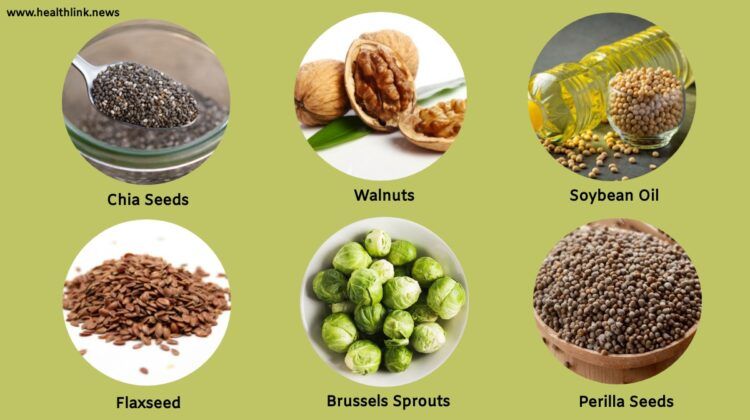
Omega 3 is a healthy and essential type of fat that offers many health benefits. People can have recommended omega-3 intakes by consuming plant-based foods such as vegetables, nuts, and seeds rich in omega-3.
There are three main types of omega-3 fatty acids known as ALA, DHA, and EPA.
Plant sources such as kernels and seeds are rich in ALA, but fish, algae, and algae can provide DHA and EPA fatty acids. It is essential to consume different sources of omega 3. Omega-3 fatty acids are essential fats that give many health benefits. Studies have shown that it can decrease inflammation, reduce blood triglycerides, and further reduce the risk of dementia. (1)
Therefore, unless you replenish fish oil or add EPA or DHA through your diet, consuming large amounts of ALA-rich foods is essential to meet your omega3 needs. (2) Also, think about the ratio of omega-6 to omega-3, as a diet low in omega-3 but high in omega-6 can increase the risk of inflammation and illness. (3)
So, here are some good plant sources of omega-3 fatty acid:
Algae Oil
It is a type of oil extracted from algae; algae oil is one of the few vegan sources of EPA and DHA. (4)
Some studies have found that it is comparable to seafood in terms of the availability of EPA and DHA nutrients. (5)
One study compared seaweed oil capsules to cooked salmon and found both were well tolerated and comparable in absorption.
Studies are limited, but animal studies have shown that DHA from algal oil is particularly beneficial.
Recent studies have shown that supplementing mice with DHA algal oil compounds improves memory.
Flaxseeds
Flaxseeds are the powerhouse of nutrition and provide sufficient amounts of fiber, protein, magnesium, and manganese for each serving. (6)
They are also an outstanding source of omega3 fatty acids.
Some studies have shown the heart health benefits of flaxseed, mainly due to its omega-3 fatty acid content. Both flaxseed and flaxseed oil have been displayed in several studies to lower cholesterol.
Another study found that flaxseed can significantly lower blood pressure, especially in patients with high blood pressure. (7)
One ounce (28 grams) of flaxseed contains 6,388 mg of ALA omega3 fatty acids, which exceeds the recommended daily dose.
Flax seeds are simple to include in your diet and are a staple food for a vegan.
One tablespoon (7 grams) of flaxseed flour is whipped with 2.5 tablespoons of water and used as a convenient replacement for baked goods eggs. The mild, slightly nutty flax seeds are perfect for muesli, oat flakes, soups, and salads. (8)
Chia Seeds
They are known for their many health benefits and bring large amounts of fiber and protein in each serving.
They are an excellent plant-based source of ALA-Omega-3. Studies have shown that chia seeds can reduce the risk of chronic illness when taken as part of a healthy diet. One study found that a diet high in chia seeds, nopal, soy protein, and oat barley reduced markers of blood triglycerides, impaired glucose tolerance, and inflammation.
One study in 2007 also found that ingestion of chia seeds reduced blood triglycerides and increased both “good” HDL cholesterol and omega3 levels in the blood. Only 1 ounce (28 grams) of chia seeds can meet and exceed the recommended daily allowance for omega3 fatty acids, providing a whopping 4,915 mg. (9)
The currently recommended daily intake of ALA for adults over the age of 19 is 1,100 mg for females and 1,600 mg for males. (10)
Increase your intake of chia seeds by whipping nutritious chia pudding or sprinkling chia seeds on salads, yogurt, and smoothies.
Brussels sprouts
As they are rich in vitamin K, vitamin C, and dietary fiber, Brussels sprouts are a great source of omega3 fatty acids. Cruciferous vegetables, like Brussels sprouts, are rich in nutrients and omega3 and have many health benefits.
One study found that prolonged intake of cruciferous vegetables was associated with a 16% reduction in the risk of heart disease. Half a cup (44 grams) of Brussels sprouts contains about 44 mg of ALA.
Boiled Brussels sprouts provide 135 mg of omega3 fatty acids per half-cup (78 gm) serving. Brussels sprouts add healthy and delicious food to every meal, whether roasted, steamed, blanched, or fried.
Cannabis Seeds
In addition to proteins, magnesium, iron, and zinc, cannabis seeds are about 30% oil and rich in omega3 fatty acids. (11)
Studies have shown that omega3 fatty acids in cannabis seeds promote heart health.
You can do this by preventing the formation of blood clots and helping the heart recover from a heart attack. Each ounce (28 grams) of cannabis seed contains approximately 6,000 mg of ALA. (12)
Sprinkled cannabis seeds on yogurt or mix with a smoothie and add a little crunch to increase the omega3 content of the snack.
Homemade cannabis Seed Granola Bar is an easy way to add omega3 fatty acids by combining cannabis seeds with other healthy ingredients such as flaxseed.
Perilla Oil
This Perilla Seed Oil is used as a seasoning and cooking oil in Korean cuisine. Not only a versatile ingredient, but it is also an excellent source of omega-3 fatty acids.
A study of 20 grown participants found that replacing soybean oil with perilla oil doubled blood ALA levels. In the long run, it also led to increased blood levels of EPA and DHA. (13)
Perilla oil is rich in omega3 fatty acids, with ALA accounting for an estimated 64% of this seed oil. One tablespoon (14 grams) contains about 9,000 mg of ALA-omega-3 fatty acids. (14)
This oil is high in polyunsaturated fats can oxidize with heat and produce harmful free radicals that can cause illness. Perilla oil is also available in capsules, making it easy and convenient to increase your omega3 consumption.
Walnut
Walnut is rich in healthy fats and ALA omega 3 fatty acids. In fact, walnuts weigh about 65 tons. Some studies have shown that walnuts have an omega3 content that helps improve brain health.
A 2011 study found that eating walnuts were associated with improved learning and memory. Another animal study showed that walnuts provided significant improvements in memory, learning, motor development, and anxiety in mice with Alzheimer’s disease.
One serving of walnuts can meet your daily needs for omega3 fatty acids, and one ounce (28 grams) yields 2,542 mg. Add walnuts to homemade granola, sprinkle on yogurt, or eat a handful of snacks to increase your ALA intake. (15)
Soybean Oil
Soybean is a popular legume in Asia. Many people use soybean oil for cooking.
It is also a good source of the following: (16)
- Riboflavin
- Magnesium
- Potassium
- Folic Acid
- Vitamin K
People usually provide soybeans as part of their diet or in salads. Soybean oil works well as edible oil and for salad dressings.
Closure
Omega 3 fatty acids are a crucial part of your diet as they help minimize inflammation and keep your body healthy.
It is essential to balance omega3 and omega 6 with all three major types of omega 3 in your diet. Those who want to avoid seafood can meet their needs with vegetable sources and seaweed additives.
People need to remember that the balance of omega3 and omega 6 in the body prevents inflammation. In addition to increasing omega-3 intake, people need to limit their consumption of omega-6-rich foods. Foods high in omega-6 fatty acids typically include processed foods, tofu, nuts, seeds, and meat. Before changing your diet or taking dietary supplements, you should consult your doctor or registered dietitian to ensure that all your dietary and health needs are met.