Find Out Different Types of Rice and its Health Benefits
On this page
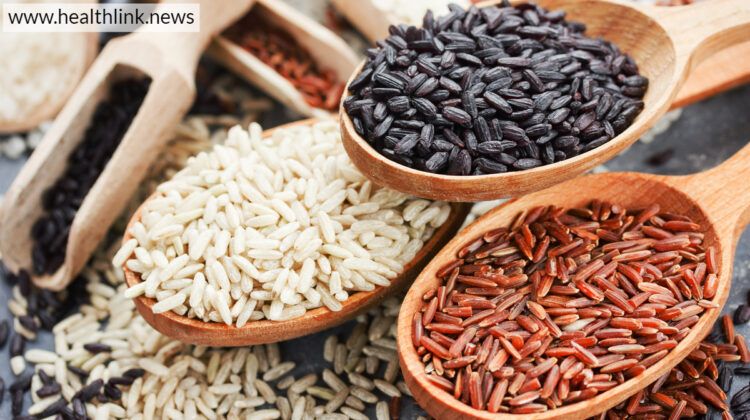
The Healthiest rice is a dietary staple in many countries, providing people with a cheap, nutritious source of energy. Cooked or uncooked, its various varieties are handled differently.
Healthiest Rice is a great source of both protein and fiber, with zero fat. Made from whole grain, it is more delicious and nutritious than white rice. This lower-fat whole grain is also cholesterol-free and a good source of calcium, so you can feel great about what you are eating.
Certain types of rice are healthier, tastier, and more nutritious than others. Brown rice is an excellent source of fiber and vitamins. Basmati is the variety of rice that aids digestion the best. Arborio is what you want to avoid if you are trying to lose weight.
In this article, you will find out which rice varieties are the healthiest, with profiles that make it easy to grasp quickly whether they are rich in nutrients and powerful plant compounds like phytochemicals, antioxidants, and fiber.
Healthy varieties
Want to eat healthier rice without a lot of hassle? Look for these varieties:
1. Brown rice
Brown rice is a tasty and healthy whole grain that is removed from the hull. It contains a significant amount of nutrients and is higher in fiber (in fact, it has more fiber than the other types of rice). Brown rice is also rich in manganese and magnesium which help the body produce protein and metabolize carbohydrates.
You might like brown rice for its deliciously nutty flavor and chewy texture. But did you know that brown rice is a great source of dietary fiber and contains the flavonoid antioxidants apigenin, quercetin, and luteolin? That is right, this whole grain contributes important phytonutrients to your diet.
Brown rice is better than white rice because it has three times more fiber and is higher in protein. However, brown rice and white rice have the same vitamins, minerals, carbohydrates, and fats.
Brown Rice is one of the healthiest foods you can eat — and it is delicious, too! Fibre, which helps aid digestion, is abundant in brown rice. Protein, which helps you feel full and supports muscle health, can also be found in this grain.
Brown rice is an excellent choice for your health. The outer layer of brown rice contains vitamins, minerals, and fiber that are stripped away by polishing white rice. Brown rice also has less starch content than white rice, which has been shown to cause greater rises in blood sugar.
Brown rice is touted as being whole-grain and a better choice than white rice. In the comparison studies, brown rice was healthier for diabetics. The results were a 57% lower fasting insulin level in the group that ate brown rice versus the group that ate white rice. This means that eating just 1 cup of brown rice versus white was equal to giving someone with diabetes long-acting insulin, which helps to control blood sugar. (1)
2. Black (forbidden) rice
This short-grain rice is a unique culinary find. Its unprocessed black color, which can range from deep purple to brownish-black, distinguishes it from the common white grain. The outer layer of the rice grain includes the bran, which boasts fiber and nutrients. That is why this special rice is often called “forbidden rice.” Black rice has a nutty taste, and the grains maintain their sticky nature because they are not processed like other rice varieties.
Black rice is a unique variety of rice with a deep purple color and an extra-long grain. This Forbidden Rice is extremely nutritious, with an unusually high level of anthocyanins (a type of flavonoid). Anthocyanins have been shown to help reduce the risk of cardiovascular disease, cancer, and age-related cognitive decline by neutralizing free radicals that contribute to oxidative stress.
Forbidden rice, also called “forbidden black” rice is an antioxidant-rich grain that offers a blend of anthocyanin antioxidants. This type of rice has a beautiful purple color and is the result of black rice which has been aged. The aging process gives it this distinct dark coloring and antioxidants.
3. Red rice
Red rice varieties, such as Himalayan Red Rice, have an impressive array of nutrients and beneficial plant compounds. This type is higher in protein and fiber than white rice varieties. It also contains an impressive number of antioxidants, which can help reduce the risk of cancers and other inflammatory diseases.
Red rice is made of the same red bran grain that black rice comes from. Red rice is an antioxidant powerhouse, containing a high concentration of anthocyanins and other flavonoid antioxidants. While it takes longer to cook than brown rice, we believe the longer cooking time gives red rice more time to absorb more nutrients.
Red rice is among the most nutritious grains and can help you look and feel your best. To give you the good stuff, red rice contains more flavonoids than other varieties of rice. A daily serving of red rice can do wonders for your health.
5. Wild rice
Wild rice is a popular and healthy food that is eaten by many people in the world. It is made from a type of grass called wild rice that originally grew in parts of Asia, in lakes and rivers.
The popular grain is the seeds of aquatic grasses, and it is packed with more protein and fiber than most other types of rice. It is also a useful source of vitamins and minerals like thiamine, niacin, phosphorus, iron, copper, and manganese. Every 5-ounce serving contains over 90 percent of your daily recommended iron intake.
Wild rice also contains more antioxidant activity than its more cultivated cousin, meaning it can offer more health benefits and potentially help lower cholesterol too.
Wild rice has a chewy, nutty flavor and is a reliable source of many nutrients, including vitamins B1, B3, and B5, calcium, and protein.
6. White rice
Regular white rice is stripped of most of its nutrition, yet still high in starch and carbs. On the other hand, our Brown Rice is packed with proteins and contains all the vitamins, minerals, and antioxidants while still packing all the taste.
White rice has been stripped of its outer layers-the bran and the germ. While this process extends shelf life, it also removes fiber, protein, and many vitamins and minerals. Brown rice’s color is due to its bran layer, which contains antioxidants and dietary fiber.
When it comes to rice, the more colorful the better. For instance, brown rice contains more fiber than white and is higher in nutrients. It is also a more filling option because of its fiber content and can lower your blood sugar levels if you are concerned about diabetes.
7. Pre-made and packaged blends
Meal-ready rice is a convenient meal solution, with many benefits that can add up quickly. However, some varieties, like Uncle Ben’s Teriyaki Flavour Ready Rice, are high in calories, sodium, and unnecessary ingredients. Mixing your convenience with fiber and multi-grain nutrition lays a healthier table for you and your family. The Healthiest White Rice has 1/3 of the total fat compared to other varieties and every serving contains a smooth blend of whole grains (including white rice) and fiber.
Packaged blends are a convenient option for busy shoppers. Most stores now offer pre-made and packaged blends of the three types of rice: white, wild, and brown. Most of these blends are healthy options packed with vitamins and nutrients.
Which type of rice you should choose?
Whole grain white rice is made by removing only the tough husk of brown rice, not the nutritious bran or germ. It can be used as a low-cost alternative to regular rice, and it is still high in fiber and vitamins. For the biggest nutrition payoff, choose whole grains over refined grains such as white rice.
Black, red, wild, and brown rice are all whole grains. Whole grains are more nutritious than other types of rice because they contain the entire grain seed, which includes healthy fiber. In contrast, white rice is milled to remove the husk, bran, and germ. That is why it is considered an enriched grain. Consuming a diet high in antioxidant-rich foods can benefit health in many ways.
There are many kinds of rice, and they all differ in the amounts of vitamins and minerals they each contain. Take brown rice, for instance. A single 1/2-cup serving (precooked) of this whole-grain variety packs of your recommended daily intake of both riboflavin and niacin (vitamin B2 and vitamin B3, respectively). It also contains 796 mg. of an antioxidant called gamma-oryzanol that may help lower cholesterol and protect against certain types of cancer.
For baked and other recipes, choose a healthier variety of rice rather than processed. Avoid added flavors and preservatives by preparing your batch of healthy white rice.