Everything You Need To Know About Extra Virgin Olive Oil
On this page
- Extra virgin and regular olive oil:
- In what ways is olive oil “pure” and “light”?
- Olive oil extra virgin’s nutrient profile:
- Why is it so beneficial?
- Risks that Extra Virgin Olive Oil may possess:
- Storage of olive oil
- Cooking with olive oil and smoke point
- Compared to conventional olive oil, is extra-virgin olive oil healthier?
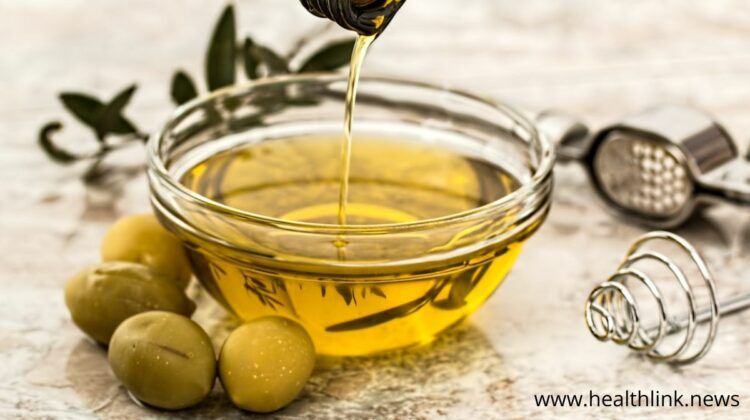
Extra virgin olive oil is a great item to keep in your pantry because of its robust flavor, adaptability, and health advantages. It is filled with antioxidants and heart-healthy fats, and it is simple to use when roasting, frying, baking, or sautéing. It has also been intensively researched for its various health advantages, with some studies indicating that it may protect from heart disease, fight cancer, and reduce inflammation.
The possible advantages, drawbacks, and applications of extra virgin olive oil are examined in greater detail in this article, along with how it compares to other widely used cooking oils.
Extra virgin and regular olive oil:
Most prefixes before olive oil, such as “virgin” or “extra virgin,” refer to the method that producers utilize to create the oil. The least processing has been done to extra virgin olive oils.
The oil is heated after being cleaned using chemicals by the producer. These procedures increase shelf life, which is fantastic for the food sector, but they could also remove a significant portion of the flavor and health advantages of the oil.
Extra virgin olive oil has more polyphenols than ordinary olive oil, according to research from a reliable source. Antioxidants of the type polyphenols offer a variety of positive health effects. Olive oil’s vitamins, polyphenols, and other natural compounds are removed during refining. Extra virgin olive oil, in the opinion of many, has a more palatable flavor than olive oils that have undergone further processing. Extra virgin olive oil that is new and untreated should taste like:
- A little fruity
- A little bit bitter, peppery, like biting through an olive
- If indeed the oil tastes metallic, flavorless, or musty, overprocessing may be to blame, or the oil may have spoiled.
When selecting which extra virgin olive oil to buy, many consumers choose cold-pressed, unfiltered, or stone-pressed goods. These alternatives avoid boiling or filtration, which typically involves adding chemicals to the oil.
Extra virgin olive oil may be preferred over conventional olive oil by consumers for the following reasons:
- They prefer the taste more since it has undergone less processing, and it has fewer chemicals.
- It has more vitamins, antioxidants, and other natural nutrients.
In what ways is olive oil “pure” and “light”?
Extra virgin olive oil with refined oils are combined to create pure olive oil. Before purchasing the oil, consumers can read the label to learn exactly what is in it. Additionally, some light virgin oils are blends.
Instead of the number of calories, the phrase “light” relates to the flavor of the oil. Light oils are frequently refined and treated, which reduces both their flavor and color. Processing increases the oil’s shelf life and enables it to be heated to a temperature that is ideal for cooking. However, it removes nutrients and adds chemicals.
Olive oil extra virgin’s nutrient profile:
Vitamins E and K are also abundant in extra virgin olive oil, which also contains heart-healthy lipids.
The following nutrients can be found in a tablespoon (or 14 grams) of olive oil:
- 119 calories
- 14% of total calories come from saturated fat.
- 73% of calories are made up of monounsaturated fat (mostly oleic acid)
- 11% of total calories come from polyunsaturated fat (PUFA).
- 13% of the daily value for vitamin E (DV (Daily Value))
- 7% of the DV for vitamin K
Antioxidants, which are substances that help fight inflammation and chronic disease, are abundant in extra virgin olive oil. The anti-inflammatory oleocanthal and oleuropein, which shields LDL (Low-Density Lipoprotein) (bad) cholesterol from oxidation, are two of the oil’s primary antioxidants.
Olive oil has received criticism for having such a high omega-6 to omega-3 ratio from some people. You do not need to worry because its overall amount of polyunsaturated fats is still quite low.
Why is it so beneficial?
Extra virgin olive oil is rich in monounsaturated fatty acids, a form of healthy fat that has been associated with several advantages, in addition to its excellent antioxidant content.
Monounsaturated fatty acids may be advantageous for heart health and may even serve to fend off heart disease, according to a study.
Each serving of extra virgin olive oil is also a high source of vitamins E and K. Vitamin K is crucial for bone health, blood clotting, heart health, and other processes, whereas vitamin E is a necessary component that also functions as an antioxidant.
Health Advantages of Extra Virgin Olive Oil:
All olive oils contain a variety of beneficial ingredients, including monounsaturated fatty acids, which decrease cholesterol. However, extra virgin olive oil has certain health advantages.
Heart Wellness
The “Mediterranean diet” and its advantages for a heart-healthy body have received a lot of attention. Extra virgin olive oil is a key element of this diet. Extra virgin olive oil is excellent for vasodilation, has a high antioxidant content, and is anti-inflammatory, according to studies.
Cancer-Preventive Qualities
The polyphenols in olive oil have antioxidant properties that may lower the chance of developing cancer. Extra virgin olive oil has the greatest levels of polyphenols of any type of olive oil.
Bone Wellness
Numerous studies have connected consuming a lot of olive oil to keeping your bones strong. This includes increased bone density and a decreased risk of hip fracture. Additionally, polyphenols are thought to have a role in the process behind this.
Risks that Extra Virgin Olive Oil may possess:
The consumption of extra virgin olive oil in moderation is not associated with many known health hazards. Beyond changing the flavor of your food, even “rancid,” or stale-smelling, olive oil is not known to have serious adverse effects.
Extra virgin olive oil contains a lot of calories; however, this is not thought to pose a serious health concern. This is partly because the dense, calorie-dense oil is believed to keep you satisfied for a longer period, thus lowering appetite and food cravings.
Storage of olive oil
Olive oil should be kept in a cool, dry, and dark location. It is advisable to put it someplace where it will not receive radiant heat from the sun or appliances. This will prolong the oil’s freshness.
Cooking with olive oil and smoke point
It is crucial to consider the heat level when cooking with oil. The temperature at which an oil starts to degrade, become carcinogenic, and spew smoke into the atmosphere is known as the “smoke point.” It is, in other words, the moment the oil begins to burn. Oil should be thrown away and started over if it starts to burn or catch fire.
According to the American Heart Association (AHA), a reliable source, the following oils are healthy to use when preparing and cooking food:
Olive, safflower, sunflower, soybean, canola, corn, peanut
They advise utilizing these fats in place of solid fats, which can include a lot of saturated fat, such as butter, shortening, or lard, and tropical oils, including palm and coconut oil.
Compared to conventional olive oil, is extra-virgin olive oil healthier?
Numerous research continues to support the Mediterranean diet’s protective effects against heart disease and stroke. Although there are certainly many different factors contributing to the diet’s nutritional advantages, the copious use of olive oil is a major factor. Whatever the kind, olive oil contains a lot of monounsaturated fatty acids, 75% of its total content. Monounsaturated fats can help lower your “bad” LDL cholesterol when used in place of saturated fat. The antioxidant and anti-inflammatory qualities of olive oil have been linked to the health advantages of the oil. Observational studies have linked higher consumption of olive oil to lower risks of cardiovascular disease, various malignancies, and even dementia compared to the usage of little or none. Extra-virgin olive oil does, however, provide an advantage over normal olive oil. Mechanical extraction of extra-virgin olive oil from ripe olives takes place without the use of chemical solvents or high heat. This safeguards the oil’s phenolic compounds. Regular, heavily processed olive oils, in contrast, lose these compounds. Small laboratory studies indicate that phenol concentrations at greater levels may have additional antioxidant effects. However, no conclusive research has been done to demonstrate that extra-virgin olive oil is more effective than refined oil at preventing heart issues, cancer, or other disorders.
Remember that a Mediterranean diet contains more nutritious foods than just olive oil. Consider it as a component of the Mediterranean diet, which emphasizes whole grains, a variety of fruits, vegetables, and nuts, as well as a moderate intake of red meat.