Effects of sitting for Long Hours - how do you experience this?
On this page
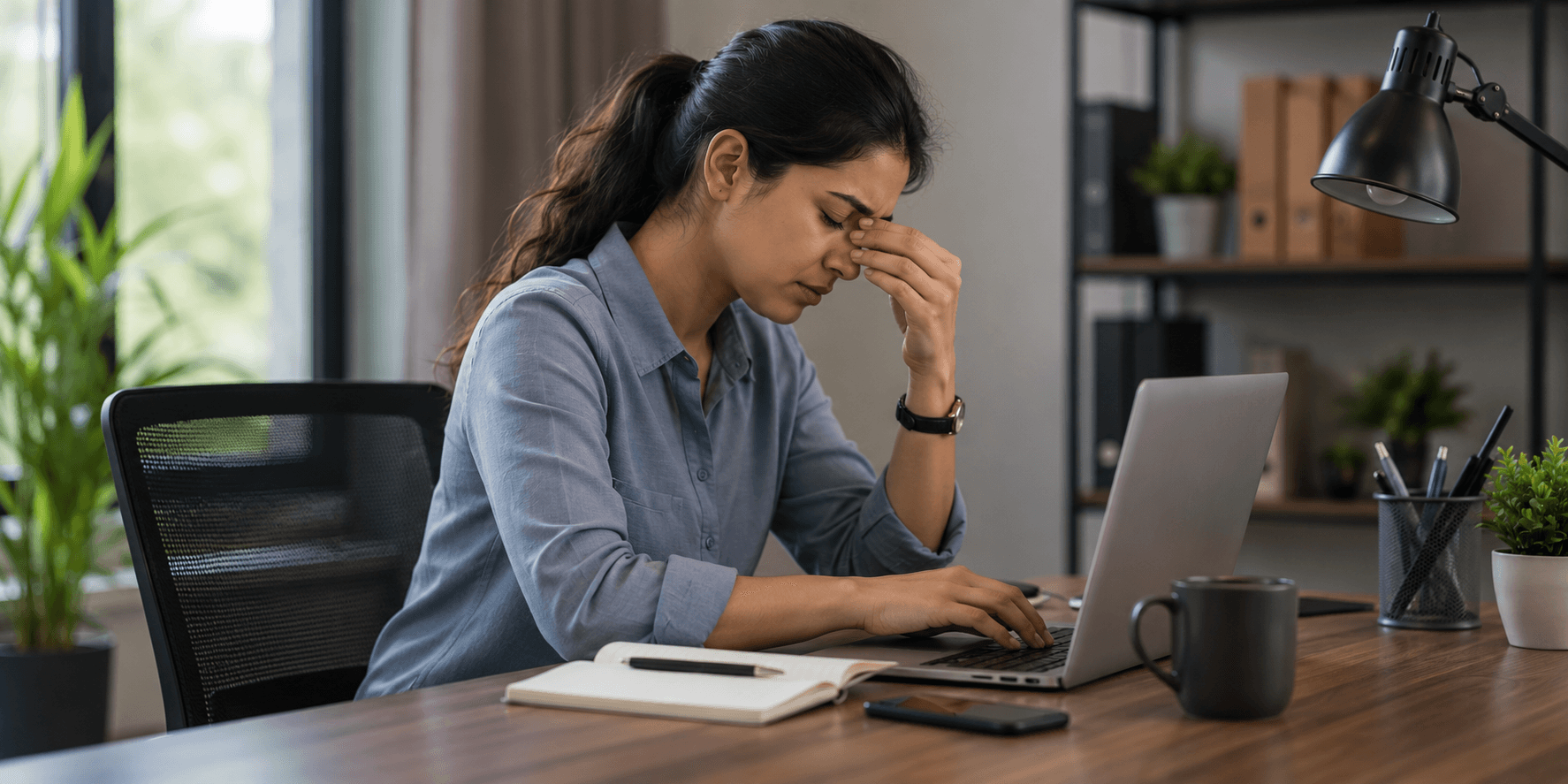
If you are a person who has to sit for long hours -- be it in your office or in any workplace, where sitting is a mandate and you get minimum hours of break, then you must be familiar with the pain and other dire impacts your body has to bear for being sedentary.
So, this article will try to give you a list of side effects that you are likely to develop if you have habits of sitting for long hours, why these effects develop, their impact on your health, and other aspects.
What happens to the body when you sit for long hours?
When you are sitting for long hours and there is not much movement in your body, it is not merely a passive resting state. When there is not much locomotion or movement in the body, the first thing that is affected in your body is your metabolism.
When you take in your food, the body metabolizes it, so that enough nutrients can be extracted from the food to be utilized in the body. But when you sit in one place for longer duration, due to lack of muscle activities, metabolism rate may drop. Other than this, sitting in one place for a very long time can also affect your cardiovascular rhythm.
Here are some of the ways in which your body gets affected negatively when you sit in one place for long hours:
1.Slow metabolic rate and Lipoprotein Lipase:
Sitting for long hours may can mean sudden and sharp drop in the electrical activity in your leg muscles. This results in to lower or minimum production of lipoprotein lipase (LPL). It is an essential enzyme attached to the walls of the blood vessels and responsible for breaking down fats (lipids) in the bloodstream, so that they can be converted into energy.
This can further worsen the body’s natural ability of metabolism. In fact, it is mostly due to this reason many people who sit all day have higher chances of obesity (or gaining unhealthy weight) and problems in utilization of fats for fueling energy in the body because when you sit for long hours, the body’s ability to clear fat from the bloodstream drops by up to around 90 percent.
2.Insulin resistance and blood sugar spikes:
There are higher chances of developing chronic conditions such as insulin resistance if your body’s metabolism is affected, especially after sitting for very long duration. This happens because, if you do not move and sit quietly at a desk, especially after having a large meal, then it becomes much difficult for the skeletal muscles of the body as these are the primary places where blood glucose reach after a meal, so that the muscles can actively absorb glucose from your blood and it is utilized in the body to release energy.
So, when you maintain sedentary lifestyle for most of the time, you may not only develop insulin resistance(which can be even riskier if you have conditions such as PMOS), there will also be much higher chances of developing lifestyle diseases such type 2 diabetes due to decreased insulin sensitivity.
3.Problems in blood circulation:
Another major impact on your body as a result of sitting for long hours can be disruption in your circulatory system. This can also have long term effects, especially on your heart and cardiovascular health if not managed in due time. When you sit for long hours, your body tends to remain in a bent position at the hips and knees for quite some time. This leads to a compression of deep veins in your lower extremities, resulting in to welling, varicose veins, and chances of blood clotting -- a condition known as Deep Vein Thrombosis or (DPT).
What are the physical impacts of sitting for long hours?
Besides the physiological side effects, sitting in one place for a very long time daily (or much frequently) can also lead to various side effects which may appear physically, on the surface. Some such conditions can be listed here as follows:
1.Pain in the back, neck and shoulders:
One of the most common complaints from people who sit for long time in one place at work daily, is chronic pain in the lower back area, along with in areas surrounding the neck and shoulders. Such pains can worsen in old age, and if someone has chronic or inflammatory conditions such as arthritis, osteoporosis, and so on. Such cases can also lead to long term impairments and severe conditions such as herniated discs, sciatica, and so on.
2.Pain in the glutes area:
When you sit for long hours, your glutes are usually affected, which may result to a condition which is known as "Gluteal amnesia". Due to such a condition, your muscles may become weak and eventually non-responsive. If not treated in due time, such cases can also lead to lower back pain as well.
3.Problems in the Hip flexors:
If you sit continuously for long hours daily, the muscles and joints in your hip flexors may get negatively affected too. Sitting for long duration may lead to continuous shortening and tightening of the iliopsoas muscles which can cause the pain in this area. If you do not correct your sitting postures, this can cause major long term health problems like anterior pelvic tilt, which can pull the lower spine out of alignment.
Final Thoughts:
When we are leading a sedentary lifestyle, sitting in the same place for long hours -- on your bed or at the desk has become the norm. This can lead to major metabolic problems, along with other health issues. Working while being seated in the same place and position is not only bad for your physical and mental health, it can also result into certain types of chronic and irreversible health conditions later in life, as you age.
Also Check: WHY DO YOU FEEL LOW ENERGY THROUGHOUT THE DAY?
Author

Bidiptaa Sen
MA in Mass Media and Communication, Jadavpur University With 3.5+ years of experience in writing marketing and SEO content on healthcare and wellness, I write articles that help people to get an idea regarding medicines that are prescribed, how to improve their wellness care and educate people how to choose accurate health facilities. My communication skills, depth of knowledge in media management and strategic methods for better social media engagement and improving readers' experience through extensive research on the healthcare scenario.
View profile