Why Do We Feel Sleepy After Lunch? HERE IS THE SCIENCE EXPLAINED
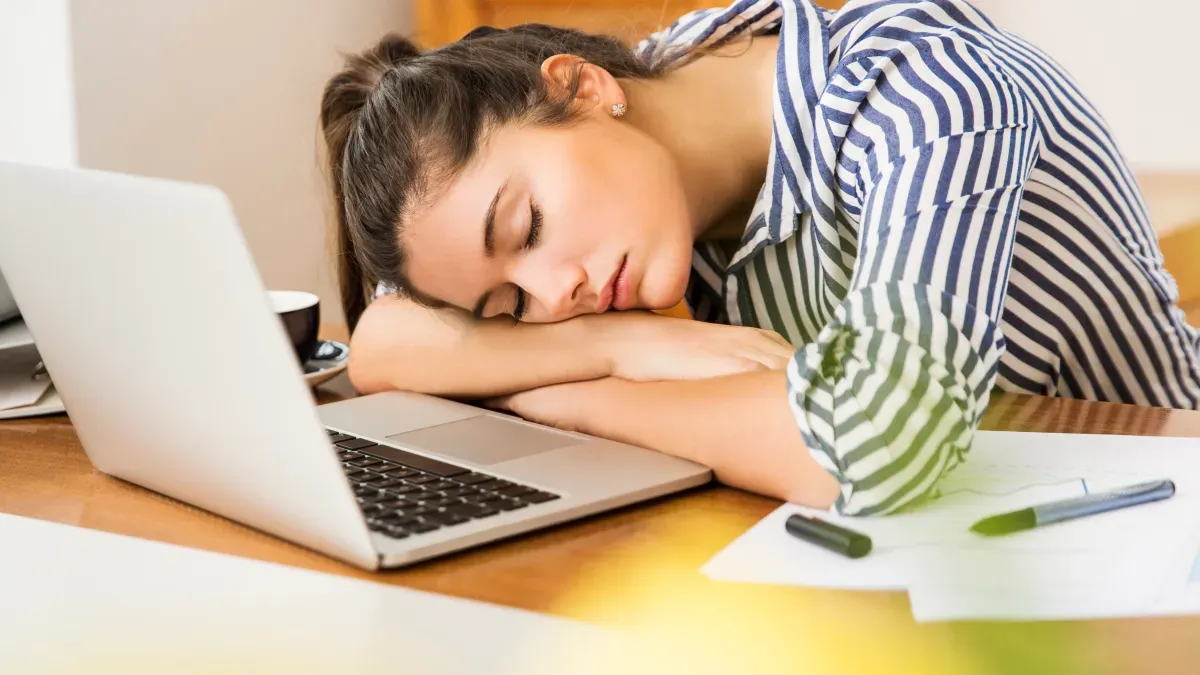
Have you ever had the sluggish feeling when you have just completed lunch and felt like taking a nap? If the answer is yes, then you are in the right place. Right after completing a satisfying lunch, it is quite usual to feel some weight in the eyelids. But have you ever wondered why this happens?
In most cases, experts say that people usually experience a phenomenon which is widely known as " food coma " or the afternoon slump. In scientific terms, this is known as the postprandial somnolence. It is a condition that happens when the food that you just had for lunch, mixes with different types of digestive enzymes and biological chemicals, resulting into complex biological rhythms and chemical triggers.
In this article you well get to know the mechanics that create the sleepy feeling after lunch, the factors affecting this biological process, what to do to get rid of post-lunch sleep, and other vital details.
A detailed outlook of the post-lunch dip : the Circadian Rhythm
It is important to understand the having lunch in the afternoon is never the only reason that makes you feel sleepy in the afternoon. It has something else to do with your body’s internal biological clock.
The mechanism explained:
The human body usually functions on the basis of a 24-hour cycle, which is scientifically known as the circadian rhythm . This is the rhythm that is responsible for regulating your sleeping and waking up patterns, which in a sense has relation with your body’s metabolic activities as well. This is because, it is the circadian rhythm that is known to control the release of different types of hormones such as the cortisol which is responsible for keeping you alert or waking you up and melatonin, a hormone which signals sleep.
Usually the body creates a sleep window - a natural dip formed by the circadian rhythm and the hormonal synthesis to sleep during the period between 2:00 AM and 4:00 AM.
But in many cases, the circadian rhythm can also create another dip between 1:00 PM and 3:00 PM, that is, during the afternoon or post-lunch window. During this dip, the physiological processes in the body results into slight drops in your body temperature, and the brain reduces its output of being awake as a result of hormonal synthesis.
This is precisely what creates the sleepy feeling after having your lunch. In fact, this very much explains why you may feel more drowsy right after having a heavy meal for lunch.
Which biological factors lead to drowsiness after lunch?
Apart from the circadian rhythm, there are some other factors as well, which are known to enhance the feeling of sleepiness after lunch or a mid-day meal. This other biological factor playing a role here is your nervous system.
What is the biochemical process?
While eating lunch, the autonomic nervous system functions in a way that will not only help to deal with the complex mechanics of digestion, but also to help in easier and faster breaking down of food so that the body can absorb vital nutrients efficiently.
In doing so, the blood flow is more active in your stomach and intestines, while the areas that are not heavily active for digestion, such as the skeletal muscles and brain have lower blood flow in comparison. In this "rest and digest" state of the body, the parasympathetic nervous system controls the blood flow to create a reduced amount of oxygen and blood pressure in the brain, which makes you lethargic, relaxed and thus you don’t really feel like working post-lunch.
Are your foods responsible for the sleepy feeling post-lunch?
Though the feeling of drowsiness after your mid-day meal mostly develops due to a physiological response of the body after having the meal, what you are eating for lunch also has a role to play in context of the drowsy feeling.
The foods that affect the most:
The foods that are mostly connected to the post-lunch drowsiness are usually carbohydrates, foods with high glycemic index , and amino acids such as tryptophan. Having high amounts of carbohydrates in your lunch can increase your blood glucose levels, which forces your pancreas to secrete a massive amount of insulin hormone to clear the sugar from your bloodstream.
On the other hand, when you have foods containing tryptophan in your lunch, the amino acid has a clear pathway towards the brain and upon reaching there, it is converted into neurotransmitter responsible for relaxation and well-being known as serotonin. This can therefore create heavy sleepiness during the afternoon.
Things that can worsen post-lunch afternoon sleepiness:
It is true that it is your body and its biological reactions to your lunch creates that sleepy feeling after lunch, but there are certain mistakes that can disrupt these biological processes in the body and can result into further worsening your wellness. Here are some such practices listed below:
1.Lack of proper sleep:
Sleep debt is truly fatal when it comes to your circadian rhythm. This is because, lack of enough sleep can affect your baseline sleep drive and you will feel more exhausted.
2.The caffeine crash:
Many often have the habit of skipping meals and stay up late for long hours only on coffee. But caffeine in coffee can block the adenosine receptors, which are the chemical that tracks sleep pressure and can make you sleepier around the afternoon.
3.Dehydration:
If you are not having enough water, you are likely to have symptoms of lethargy already and this can lead to lowering your blood pressure post-lunch and can cause drowsiness in the afternoon.
Final Thoughts:
It is absolutely okay to feel a little drowsy or sleepy after you had a mid-day meal. This drowsiness may become a bit more intense if you have a heavy meal in your lunch. This happens because of the body’s physiological and biochemical reactions. But make sure you do not make the mistakes that can worsen the post-lunch sleepiness.
Also Check: How Much Time Do We Need to Sleep?
Author

Bidiptaa Sen
MA in Mass Media and Communication, Jadavpur University With 3.5+ years of experience in writing marketing and SEO content on healthcare and wellness, I write articles that help people to get an idea regarding medicines that are prescribed, how to improve their wellness care and educate people how to choose accurate health facilities. My communication skills, depth of knowledge in media management and strategic methods for better social media engagement and improving readers' experience through extensive research on the healthcare scenario.
View profile