Are Dates Good For You? Know the Right Time to eat
On this page
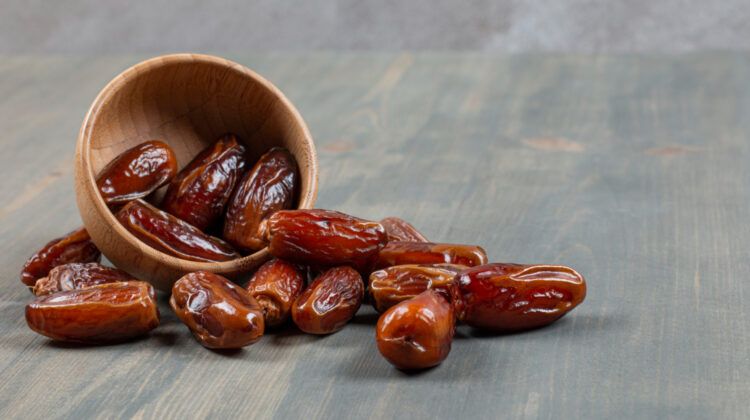
The best time to eat dates is any time of year, but especially during the winter months. The most common dates are Medjool dates, which are plump, chewy, and rich in flavor.
When you are wondering when to eat dates, think of them as a whole food source. Dates acquired from the market are sweet and go well with both savory and sweet recipes, as well as in desserts. Their ability to absorb moisture makes them a great product for stuffing certain recipes or their soft texture can be used as an ingredient, such as in ice cream.
Dates Nutrition
Dates are nutrient-dense fruit. The most popular varieties include Medjool and Deglet Noor dates. Both fresh and dried dates are edible; however, it is most common to consume them dried because they are easier to transport and store.
All dates are rich in antioxidants and phytonutrients, which help guard against cardiovascular disease and other chronic diseases. Like prunes and raisins, all types of dates contain high amounts of fiber. All varieties of date fruit also offer trace amounts of calcium, magnesium, and potassium.
A 3.5-ounce (100-gram) serving of dates provides. (1)
- Protein: 2.5 grams
- Carbs: 75 grams
- Fiber: 8 grams
- Sugar: 64 grams
- Calories: 282 grams
- Calcium: 3% of the Daily Value (DV)
- Iron: 6% of the DV
- Potassium: 14% of the DV
- Magnesium: 10% of the DV
- Copper: 23% of the DV
- Selenium: 6% of the DV
- Vitamin B6: 10% of the DV
- Folate: 6% of the DV
Dates are a natural sweetener. They are loaded with fiber and contain more potassium than bananas, which makes them delicious to eat. Perfect for baking or making energy bites, eating individually is easy because of their small size.
Best time to eat dates
“Do not eat fruit after a certain time,” “do not eat protein after a certain time,” “never eat carbohydrates after a certain time” — we hear these and many other food-timing rules all the time. But where do they come from?
The best time to eat your carbs, protein, and fat food groups are different for everyone, depending on their unique digestive anatomy, metabolism, and biological rhythm. Eating at the best time for you can improve the way your body breaks down food and extract nutrients, and it may even help prevent overeating and weight gain.
If you feel hungry, it is the body is sending signals for specific nutrients, so consider eating a healthy breakfast before you have your first date of the day. Or if not hungry but in the mood for something sweet or crunchy, eat when you feel like snacking.
The Best time to eat dates is an easy and delicious way to quickly and enjoyably make your body’s digestive enzymes work for you. Each bar combines three delicious layers with three different enzyme buffering ingredients. Through this one elegant bite, your body will be ready to digest the best of what it has just consumed.
However, there are times when eating dates may be ideal, such as (2) (3)
- At breakfast: Breakfast is the perfect time to add dates into your diet. Dates can be an excellent way to add natural sweetness and fiber to your diet in the early morning. What is more, their high fiber content can keep you full and satisfied throughout the morning. You can enjoy them as a topping for some plain yogurt, cereal, or oatmeal, or add some to your favourite breakfast smoothie for some extra fiber-filled goodness.
- As an afternoon snack: Open your door to the world of snacking with the best time to eat dates as an afternoon snack. They are a nutritious and convenient way to provide yourself with lasting energy and prevent cravings later in the day. The combination of fiber and natural sugars provides a slow rise in blood sugar levels so you will feel energized but not experience a crash soon after eating. Dates are also a good source of potassium which is important for controlling blood pressure as well as making muscles contract properly.
- When you are hungry: Fresh dates are an excellent source of energy. They are made up of simple sugars, which the body breaks down quickly. Fresh dates are best eaten when you feel hungry. They work well when paired with peanut butter for a good source of fiber, carbs, and protein. This means fast sugar highs and quick sugar lows. Dates can be eaten whole or mashed up for a quick snack, and taste great when paired with nuts, cheese, or peanut butter.
- Before a workout: A natural, healthy energy source, dates are an ideal food to eat before a workout. Not only do they provide quick energy for muscle-building and repair, but they are also rich in vitamins and minerals, including potassium—a mineral that is key for cellular function and fluid balance. Dates are perfect before hitting the gym or even before a workout. Not only do they keep you energized, but they are full of protein, fiber, potassium, and tons of other health benefits.
- As a night-time snack: Dates are great for snacking on anytime you need an energy boost. Fiber can help keep hunger pangs at bay, and dates are full of fiber. They are also thought to contain trace amounts of iron, magnesium, manganese, copper, and calcium. Date night just got better with the addition of these decadent chocolate date treats. Not only do they taste amazing, but they also deliver a powerful dose of energy and healthy fiber that will keep you energized and feeling fuller for longer.
When you should not eat dates
Dates are technically small-chain carbs that can be hard for people with IBS to digest. As a significant source of fructose, they can be problematic for those on a low-FODMAP diet. This is because each date has over 1 gram of sugar, with only about 1 gram of fiber to balance it out.
- After a large meal: There are strong preferences for three types of dates, sweet, moderate, or dry, can eat or not to eat after a large meal. The sweet type is often eaten as dessert after dinner, but the moderately dry date is much more suitable for this purpose. However, it should be noted that because the fiber content of the dates is large, it should not be consumed excessively in one meal.
Benefits of Dates
1. High in Fiber
Dates are high in fiber. Fiber may benefit your digestive health by helping to prevent constipation and promoting regular bowel movements. It may also help lower blood cholesterol and regulate blood glucose levels in diabetics, thereby reducing the risk of heart disease and diabetes.
The recommended dietary allowance for fiber is 25 grams per day, however, men should aim for 38 grams and women 30 grams. Dates contain anywhere from 2 to 6 grams of fiber in a 3.5-ounce serving depending on the variety. If you are not getting enough fiber in your diet, dates are a tasty way to increase your total daily fiber intake.
Dates are a great source of fiber. Fiber is important for the health of your digestive system, making it easier to have regular bowel movements or stools. Studies have shown that eating large amounts of fiber may result in increased stool output which could help prevent constipation and protect against bowel disease. Another study found that eating more than two and a half cups (340 grams) of dried fruit-like dates per day could improve bowel function by increasing daily stool frequency and stool volume.
2. High in Disease-Fighting Antioxidants
Dates are a highly nutritious fruit, and excellent for your health. Eating dates can give you an energy boost and many of them contain vitamin B1, vitamin B2, and vitamin B12. Dates also contain several minerals, such as potassium, calcium, and iron. This makes them a healthy snack food that can provide many health benefits.
Dates are a popular dried fruit enjoyed by many for their sweet taste and low-calorie content. High in various types of antioxidants, including carotenoids, flavonoids, and phenolic acid, dates may help boost your immune system and fight off free radical damage caused by cancer-causing agents.
Dates are often referred to as “nature’s energy bar” because of their high nutritional value. Dates are loaded with antioxidants, fiber, and naturally occurring sugars. They have been shown to lower blood cholesterol levels, promote eye health, and improve digestion, while also supplying sustainable energy and satisfying hunger.
3. May Promote Brain Health
Some observational studies have shown a link between eating dates and a lower risk of Alzheimer’s. The antioxidant compounds in dates may help reduce oxidative stress by decreasing inflammatory markers, such as IL-6. Dates have also been shown to reduce the activity of amyloid-beta proteins.
Dates are nutrient-rich fruits that can help improve health. Dates have been shown to have a high antioxidant content, which helps them fight off free radicals. Antioxidants protect the brain from free radical damage and may help prevent diseases such as Alzheimer’s.