Calories in pasta fagioli Soup - Nutrition Facts Information
On this page
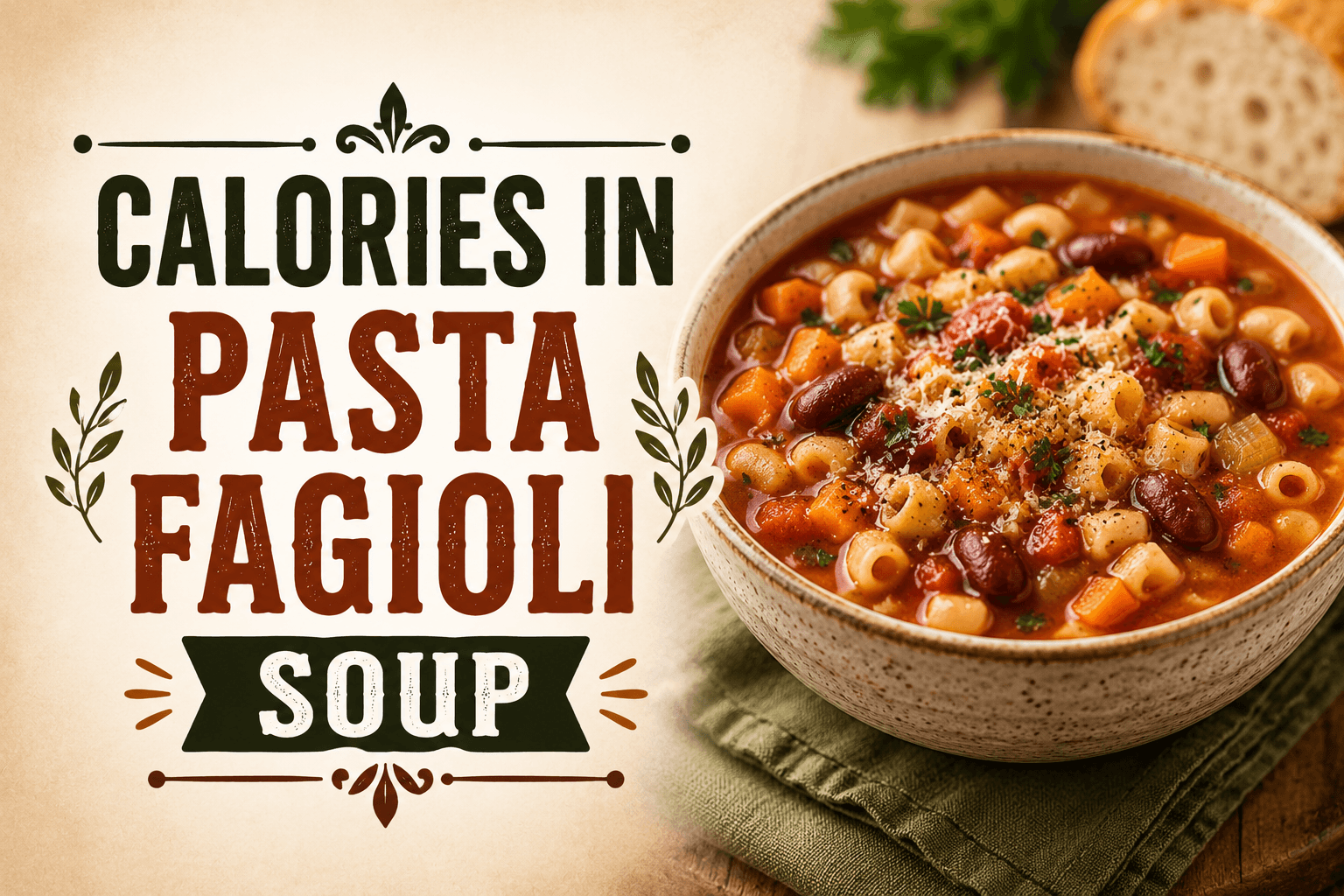
The classic Italian pasta fagioli soup is not only a filling and delicious soup that you can have for lunch or as an afternoon meal, it is an equally comforting broth that is rich in essential nutrients.
Read till the end to know all about the calorie content in pasta fagioli soup, the different types of nutrients you may find in it, the possible health benefits that you may get from this soup, and other details.
Amounts of calories present in pasta fagioli soup:
Pasta fagioli soup can be a bit high in calorie content because pasta is usually made from flour or maida. So, most of the calories that are present in pasta fagioli soup are derived from the carbohydrates present in it. The amount of calories that you are taking in through each serving of pasta fagioli soup would depend on certain factors, such as follows:
The amount of pasta fagioli soup you are having, that is, the portion size
The way you are cooking the pasta fagioli soup
The ingredients used in this soup.
But on an average, each bowl or cup of pasta fagioli soup with beans and vegetables, containing around 200 to 245 grams per serving can provide approximately 130 and 180 calories.
Nutritional profile of pasta fagioli soup:
A bowl of pasta fagioli soup is filled with beans and vegetables and thus contains some amounts of nutrients that can be beneficial for your overall health and wellness. Here is a complete list of the nutrients present in pasta fagioli soup given below, along with the approximate measures of the amounts of nutrients present:
Total Fat: 2 to 5 grams (mostly healthy fats and less than 1 gram of saturated fat)
Total Carbohydrates: 20 to 28 grams
Dietary Fiber: 4 to 6 grams
Protein: 5 to 8 grams.
Apart from these macro-nutrients, pasta fagioli soup also contains rich amounts of micro-nutrients which are derived from the vegetables added to the soup. The common nutrients include vitamin A, Iron (roughly 8 to 13 percent of your daily value), Potassium, Calcium, and so on.
What are the health benefits of having pasta fagioli soup?
Considering the nutrients that are present in pasta fagioli soup, here is a list of health benefits that you are likely to get from them:
1.Helps in healthy weight management
2.Provides enough satiety
3.Excellent source of plant-based protein
4.Good for your heart health.
Which doctor to consult before adding pasta fagioli soup in your diet?
Before adding pasta fagioli soup to your diet, you must consult a registered dietitian or a nutritionist to know if this soup is good for your health or how much of this soup you can have, and other facts.
Final Thoughts:
When you need a warm, cozy meal, you can definitely think of having pasta fagioli soup as this is rich in nutrients but be cautious of the portion intake as high sodium intake may have side effects.
Author

Bidiptaa Sen
MA in Mass Media and Communication, Jadavpur University With 3.5+ years of experience in writing marketing and SEO content on healthcare and wellness, I write articles that help people to get an idea regarding medicines that are prescribed, how to improve their wellness care and educate people how to choose accurate health facilities. My communication skills, depth of knowledge in media management and strategic methods for better social media engagement and improving readers' experience through extensive research on the healthcare scenario.
View profile