Calories in lamb Biryani - Nutritional Information
On this page
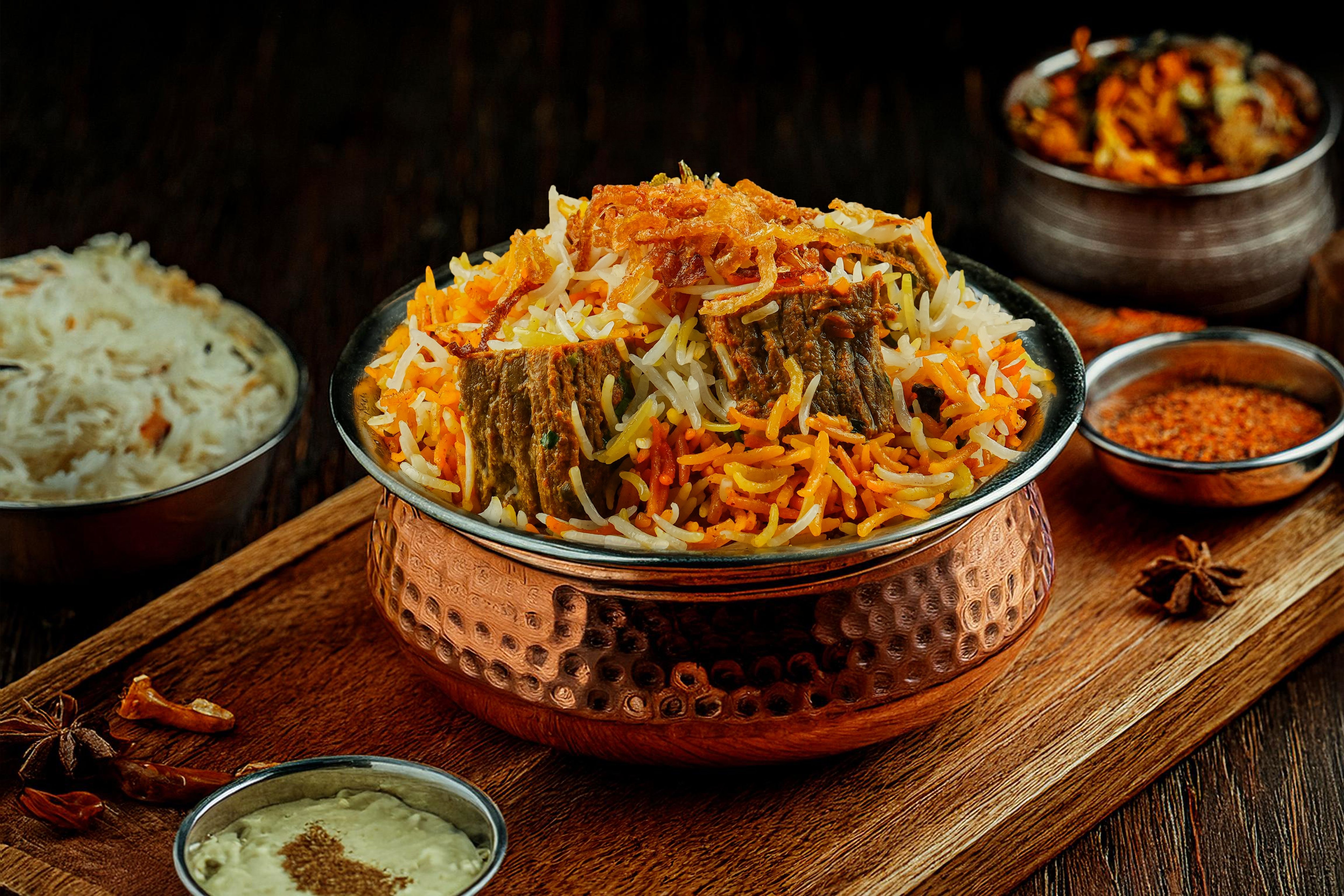
Lamb biryani is often some of the most widely consumed types of biryani and favored for its royal taste and flavour. Most people love lamb biryani after its chicken/mutton variations, because of the rich aromatic basmati rice, juice and tender lamb meat, and a complex blend of spices.
But are you sure whether the lamb biryani that you have during festive occasions is good for your health at all? There is no need to worry, because this article will give you a complete guide regarding the calorie content in lamb biryani, whether any nutrients are found in it, the positives and negatives of having this biryani, and other vital details.
Calorie content in lamb biriyani:
There are certain factors on which the calorie count of a standard plate of lamb biryani is likely to depend. Some of these factors include the following:
The ingredients that are added while cooking the biryani
The amount of ghee or oil present in the biryani
The portion size of the total biryani intake
The method of preparation of the biryani
The size and number of lamb pieces you have with the biryani.
But on average, each standard plate of boneless lamb biryani, which is approximately 450 to 459 g, may contain 720 to 728 calories. This high amount of calories in lamb biryani is mostly derived from the meat and the ingredients with which the rice is cooked.
Are there nutritional components that are present in lamb biryani?
Though lamb biryani may not be rich in nutritional components, there are certain specific types of nutrients that you are likely to get from this biryani. Here is a complete list of a few nutritional components that are present in a standard serving of per 100 grams of lamb biryani, along with the approximate measure of the amounts present:
Nutrients present Amount
Energy 174 kcal
Protein 8.7 g
Fat 8.9 g
Carbohydrates 14.7 g
Apart from these, there are a few micro-nutrients that are found in lamb biryani, such as vitamin B complex (especially vitamin B6 and B12) and iron.
From the list of nutrients given above, it is quite clear that lamb biryani is not only a great source of energy but can also help you to get enough protein from the meat that is present in this biryani.
What are the pros and cons of having lamb biryani?
There are both positives and negatives of having lamb biryani, especially when the amount of intake is not in control or if you are having this dish frequently. Here is a complete list of some of the most common pros and cons of having lamb biryani:
Pros:
1. High intake of protein:
Since you shall be taking in enough meat (the lamb) along with the biryani, you are likely to get quite a significant amount of protein. This protein can be somewhat helpful for getting the essential amino acids necessary for muscle repair and metabolic health.
2. Antioxidants from the spices:
The spices that are used in lamb biryani, such as turmeric, ginger, and garlic, contain antioxidants and bioactive compounds that are not only anti-inflammatory in nature but are also beneficial for strong immunity.
3. Provides enough satiety:
The protein and carbohydrate content in lamb biryani are beneficial for providing satiety that keeps you full for a longer duration.
Cons:
1. High intake of calories:
Having lamb biryani in excessive quantities or too frequently may result in a calorie surplus in the body.
2. High in saturated fats and cholesterol:
The red meat (lamb) and the ingredients added to lamb biryani are high in saturated fats, which are not good for your heart health.
3. High in sodium content:
The high amounts of sodium in lamb biryani, especially those that are restaurant-style, can result in high blood pressure.
Which doctor to consult before having lamb biryani?
It is always beneficial to take expert opinion before you have lamb biryani. In such cases, it is better to consult a registered dietitian or a nutritionist who will tell you whether lamb biryani is healthy for you at all, the portion intake, and other details.
Final Thoughts:
You may enjoy your lamb biryani as a fun meal but make sure you are mindful of your biryani intake. The number of calories can slightly decrease if you can control the amount of ghee or oil added to the biryani. Otherwise, there are chances of getting some nutrients from lamb biryani.
Also Check: Calories in Raw Chicken Breast without skin
Authors

Bidiptaa Sen
MA in Mass Media and Communication, Jadavpur University With 3.5+ years of experience in writing marketing and SEO content on healthcare and wellness, I write articles that help people to get an idea regarding medicines that are prescribed, how to improve their wellness care and educate people how to choose accurate health facilities. My communication skills, depth of knowledge in media management and strategic methods for better social media engagement and improving readers' experience through extensive research on the healthcare scenario.
View profile
Sania Thakur
Content writer and marketing professional with strong sales and business skills. Experienced in web content writing, data annotation, and teaching, with a proven ability to craft engaging content and drive audience growth. Background in English Literature and Language Teaching from Aligarh Muslim University. Passionate about communication, branding, and strategic market analysis.
View profile