Calories in Asparagus - Nutrition Facts Information
On this page
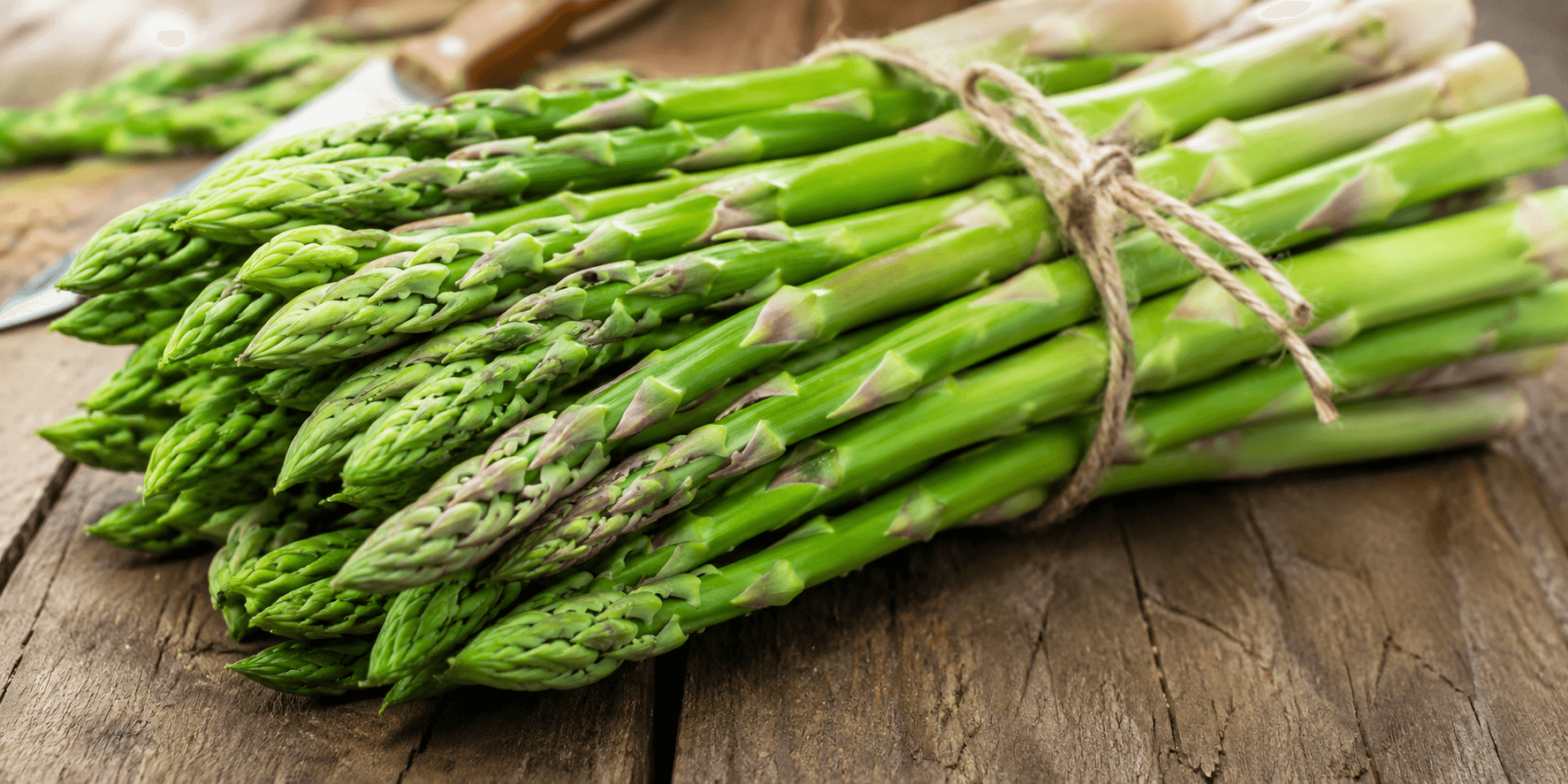
Asparagus is often considered as one of the healthiest vegetables that you may add to your daily diet in order to stay healthy and improve your overall physiological functioning. Asparagus is dense in nutritional components and it such a vegetable that is often considered as a superfood.
This article is therefore going to be a detailed guide for you to know the amounts of calories in asparagus, the total nutritional components present in this vegetable and the health benefits that you may derive from this veggie, and other vital facts about asparagus.
The amounts of calories present in Asparagus:
Being rich in nutritional components, asparagus, like many other vegetables, is low in calorie content compared to many other foods. But the amounts of calories that are present in asparagus will mostly depend on some factors, some of which can be listed below:
The way you are cooking the asparagus
The portion size of your asparagus intake
The types of ingredients that you are adding to your asparagus dish.
But on an average, one standard cup of raw asparagus, containing approximately 134 grams of serving size can contain around 20 to 27 kcal of calories. This is quite a negligible amount, which means, even if you have a standard portion size of asparagus with your meal, the vegetable will not only help to balance your diet by adding more nutritional components, but will also help you to lower the chances of heavy calorie intake.
This makes asparagus a healthy choice to be added to their daily diet for those who are planning to lose your body weight really fast or if you want to undergo healthy weight management.
Detailed breakdown of the total calories in asparagus:
The net amounts of calories that are present in asparagus are mostly derived from the major macro-nutrients that are present in it. In each standard serving of asparagus, you will get around 5.2 grams of carbohydrates which contributes around 71 percent of the total calorie content in asparagus, while protein contributes to roughly 25 percent of the total calorie content as it is present in almost around 3 to 3.2 grams in asparagus.
This vegetable contains the least amount of fats (around 0.2 grams), which contributes to around 4 percent of the total calorie content in asparagus. This means that asparagus is virtually fat-free and contains a respectable amount of plant-based protein for a green vegetable.
Nutritional components in Asparagus:
Just like any other vegetable, asparagus is also a rich source of some of the most vital micro-nutrients, especially key vitamins and minerals that are needed in your daily diet for better health and wellness. Here is a complete list of some of the vital nutrients that are found in asparagus:
1.Vitamins:
Vitamin C: Acts as an antioxidant that is useful for preventing the risks of oxidative stress and can strengthen immune system.
Vitamin A: Helps to keep your eyes healthy and prevent the risks of age-related macular degeneration.
Vitamin K: This vitamin in asparagus helps to prevent blood clotting and helps in maintaining sturdy, healthy bones.
Vitamin B complex: Asparagus contains vitamin B9 or niacin which helps in better cellular function and DNA production.
2.Minerals: The major mineral components that are found in asparagus include Iron and Potassium that help in better transfer of oxygen through the blood and aid in maintaining proper blood pressure levels as well.
Which doctor to consult before adding asparagus to your diet?
Asparagus is a n otherwise healthy vegetable that you must add to your daily diet to get enough nutrients and health benefits. But of you are still in doubt regarding the intake of asparagus in your meals, it is always better to consult with a registered nutritionist expert or a dietitian . This is because, consulting such a specialist will give you a detailed idea regarding the portion size of your asparagus intake, how frequently you can have this vegetable, and other details.
Final Thoughts:
There is no harm in having asparagus at all. In fact, the nutrients in asparagus, especially the vitamins and minerals, can be highly beneficial when it comes to providing you with enough health benefits. Moreover, being low in calorie count, asparagus can be a perfect choice for healthy weight management.
Also Check: Calories in Pears - Nutrition Facts Information
Author

Bidiptaa Sen
MA in Mass Media and Communication, Jadavpur University With 3.5+ years of experience in writing marketing and SEO content on healthcare and wellness, I write articles that help people to get an idea regarding medicines that are prescribed, how to improve their wellness care and educate people how to choose accurate health facilities. My communication skills, depth of knowledge in media management and strategic methods for better social media engagement and improving readers' experience through extensive research on the healthcare scenario.
View profile