Calories in 1 Teaspoon of Peanut Butter - Nutrition Facts
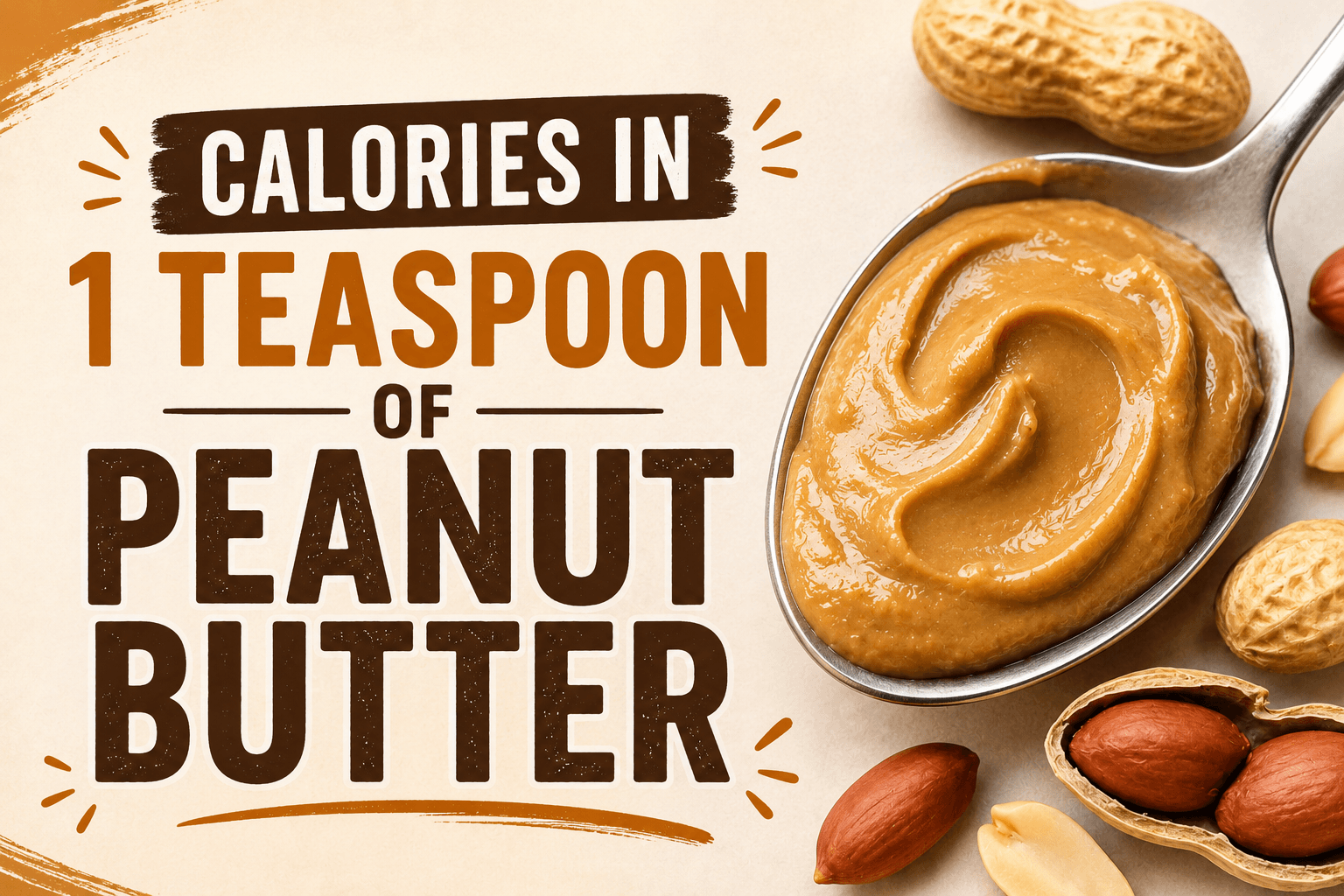
Peanut butter served with your breads during breakfast or used in your meal can be quite tasty and good for your overall health and wellness as well. Many health care professionals recommend people to have at least 1 teaspoon of peanut butter each day. But is this healthy for you at all?
This article will therefore be a detailed guideline about the amounts of calorie content in one teaspoon of peanut butter, the different types of nutritional components that you would find in peanut butter, the health benefits of having peanut butter in your diet and other facts.
Amounts of calories present in one teaspoon of peanut butter:
The amount of calories that you are having from one teaspoon of peanut butter will likely depend on the amount of the peanut butter that you are taking in -- whether in your regular meals or as your daily morning ritual, but when your peanut butter intake is almost around 1 teaspoon, the calorie intake can be low to moderate.
It is also important to keep in mind that that calorie intake from peanut butter can also depend on the foods that you are having along with peanut butter. On an average, a standard teaspoon of peanut butter that weighs roughly 5 grams can provide you with around 30 to 33 kcal of calories. Most of the calories are derived from the healthy fats, protein, and carbohydrates that are present in each serving of peanut butter.
Nutritional profile in one teaspoon of peanut butter:
Here is a complete list of the major nutritional elements in each serving of peanut butter (that is, 1 teaspoon) along with an approximate measure of the amounts of nutrients present:
Healthy Fats: Around 2.5 grams
Protein (from 1.2 to 1.5 grams)
Carbohydrates and Fiber (less than 1 gram)
Micro-nutrients: Vitamin E, Magnesium, and Vitamin B3 (Niacin).
What are the health benefits of one teaspoon of peanut butter?
Having 1 teaspoon of peanut butter can actually help get a lot of health benefits, such as follows:
1.Helps to keep your heart healthy
2.Helps in healthy weight management
3.Aids in keeping your cravings in check
4.This can act as a healthy pre-workout fuel.
Which doctor to consult before having 1 teaspoon of peanut butter?
Before you start adding 1 teaspoon of peanut butter to your breakfast or meals, it is important to consult with a registered nutritionist expert or a dietitian because not all people must have peanut butter daily. This doctor will give you a detailed idea regarding the portion size of your total ghee intake, how frequently you can have ghee , and other details.
Final Thoughts:
1 teaspoon of peanut butter can be quite helpful when added to your daily diet can always help to improve your daily dietary intake, but be careful about the portion size. Have this butter less frequently if you have side effects.
Also Check: Calories in 1 tsp of Ghee - Nutrition Facts Information
Author

Bidiptaa Sen
MA in Mass Media and Communication, Jadavpur University With 3.5+ years of experience in writing marketing and SEO content on healthcare and wellness, I write articles that help people to get an idea regarding medicines that are prescribed, how to improve their wellness care and educate people how to choose accurate health facilities. My communication skills, depth of knowledge in media management and strategic methods for better social media engagement and improving readers' experience through extensive research on the healthcare scenario.
View profile