Best Protein Powders for Sensitive Gut and Digestion: No-Bloat Solutions
On this page
If protein shakes leave you bloated, heavy, or uncomfortable, the answer is not always to switch brands immediately. Sometimes the issue is lactose. Sometimes it is serving size, sweeteners, fibre, or mixing. The sensible approach is to understand the cause, choose a cleaner label, and test slowly.
Quick Answer
There is no protein powder that can honestly promise zero bloating for everyone. A better goal is to choose a product that matches your tolerance and has a label you can understand.
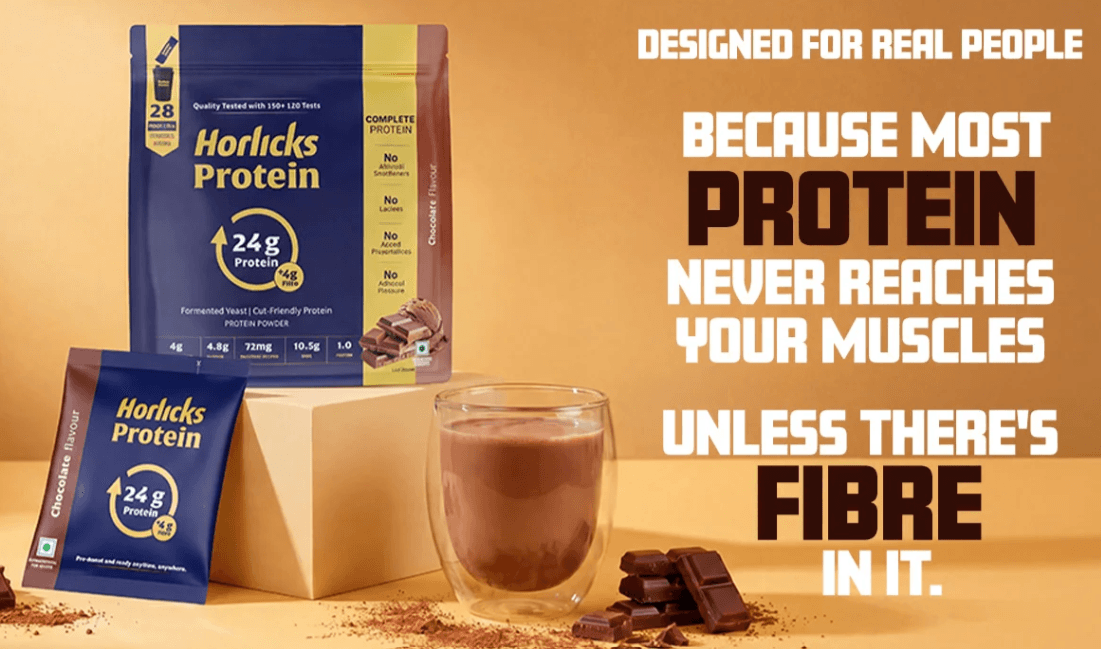
' Horlicks Protein Powder lists fermented yeast protein, 4g prebiotic fibre, and digestive enzymes. Those features may suit some users, but anyone with frequent digestive symptoms should take professional advice instead of self-diagnosing.
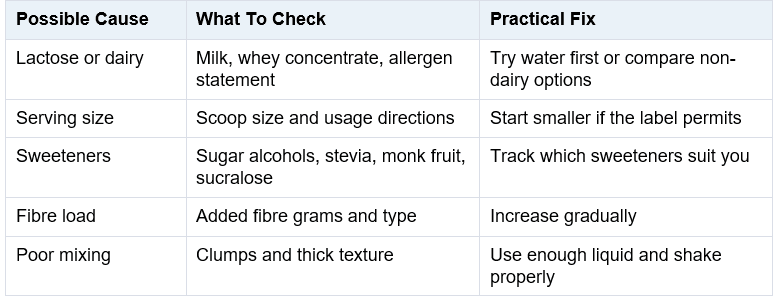
Digestion Factors: Quick Comparison
Why Shakes May Cause Discomfort
A shake may feel uncomfortable because of lactose, dairy sensitivity, too much powder at once, sugar alcohols, high fibre, thick texture, or poor mixing. Some people also drink it too quickly or add it to an already heavy meal.
That is why “no-bloat” claims should be treated carefully. Your stomach is not reading the ad copy.
Ingredient Checklist
Start with the protein source. Whey concentrate may bother some lactose-sensitive users. Whey isolate may be easier for some people, but not automatically lactose-free. Plant proteins can also feel heavy depending on fibre and gums.
Then check sweeteners, fibre type, flavours, enzyme names, allergens, and serving directions. The simpler the label is to understand, the easier it is to test.
Fibre And Sweeteners
Fibre can be useful, especially when diets are low in it. But adding too much fibre too quickly can also cause gas or heaviness. If a product includes fibre, start with a smaller serving if the pack permits.
Sweeteners are personal. Some people tolerate monk fruit or stevia well. Some feel discomfort with sugar alcohols. If you react often, note the sweetener and compare across products.
How To Test A New Protein
Try it with water first. Avoid mixing with milk until you know the powder suits you. Use a smaller serving for the first few days and do not test it alongside a new probiotic, high-fibre diet, or supplement stack.
If discomfort keeps happening, stop and speak to a qualified professional. Persistent bloating is not something a protein brand should diagnose.
When To Seek Advice
Speak to a clinician if bloating is painful, frequent, or comes with vomiting, diarrhoea, constipation, blood in stool, weight loss, allergy symptoms, or ongoing acidity.
' Protein powder should support your diet. It should not become a way to ignore symptoms.
FAQs
What protein powder is best for a sensitive stomach?
The best option depends on what triggers you. Check lactose, fibre, sweeteners, gums, serving size, and allergens. Start small and compare one change at a time.
Can fibre in protein powder cause bloating?
Yes, it can for some people, especially if fibre intake rises suddenly. Fibre may help some users, but it is still smart to increase gradually.
Are digestive enzymes useful?
They may support digestion depending on the enzyme and the person, but they do not guarantee comfort. Read the label and avoid treating them like a cure.
Should I switch brands if a shake bloats me?
Maybe, but first check serving size, milk, speed of drinking, sweeteners, and timing. A smaller water-based serving can reveal whether the powder itself is the issue.
Can protein powder treat gut problems?
No. Protein powder is not a treatment for gut conditions. Persistent discomfort should be discussed with a qualified professional.
Author

DocIndia Editorial Team
Check cache DocIndia Editorial Team works with Doctors to create informative articles.
View profile