Benefits and Side Effects of Quinoa- Docindia.org
On this page
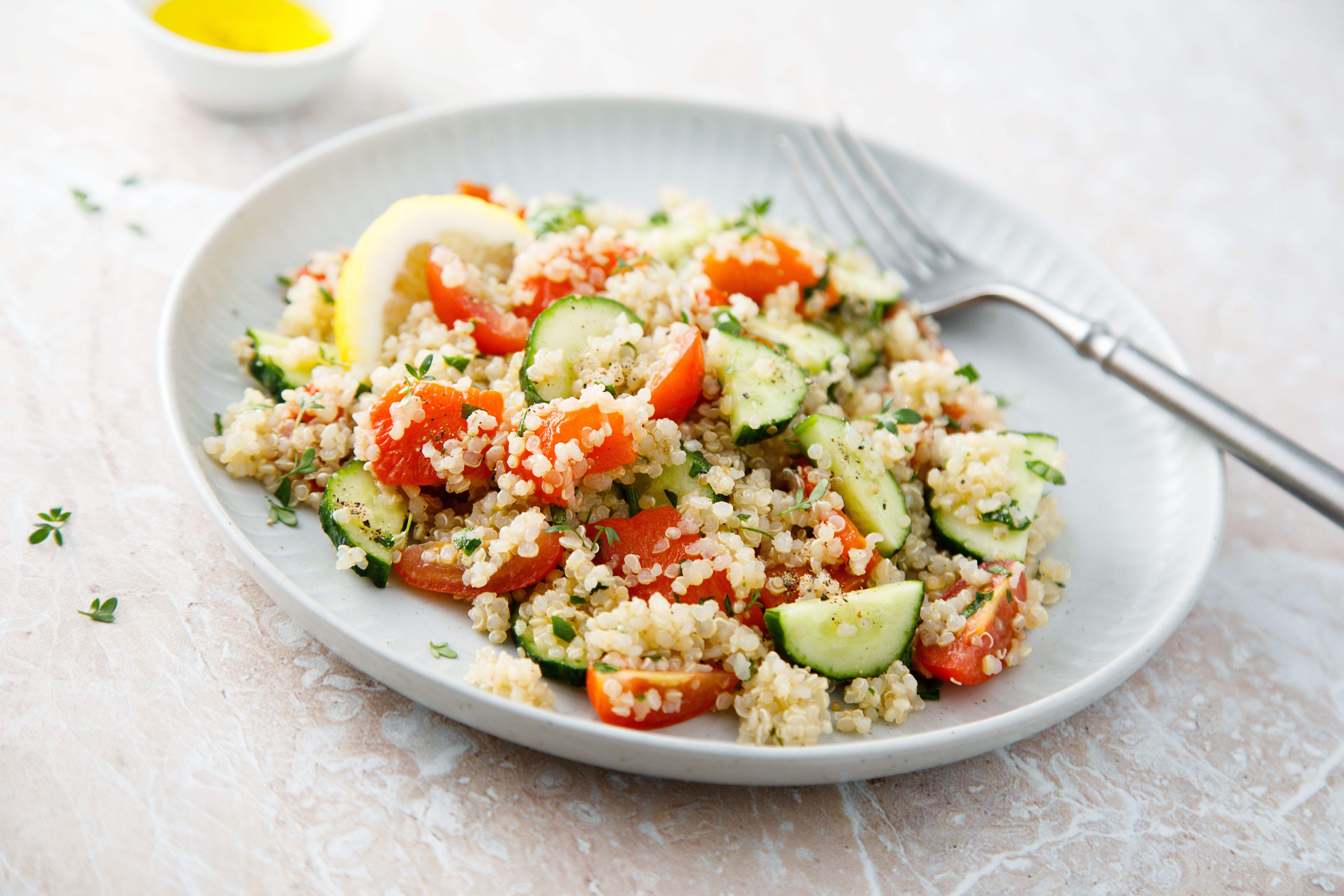
Quinoa has become a popular food choice in recent years because of its high nutritional value and versatility in cooking. It is often included in salads, bowls, soups, and healthy meal plans. Many people choose quinoa as part of a balanced diet because it provides important nutrients while also being naturally gluten-free.
Although quinoa is commonly used like a grain, it is actually a seed that comes from a plant. It has a mild, slightly nutty flavor and can be cooked easily in a short time. While quinoa offers many health benefits, it is also important to understand that excessive consumption may cause certain side effects in some individuals.
Learning about the nutritional value, benefits, and possible risks of quinoa can help people include it wisely in their daily diet.
What Is Quinoa?
Quinoa is a seed that comes from a plant grown mainly in South America. It has been consumed for thousands of years and is known for its rich nutritional profile.
Quinoa is often used as a substitute for rice or other grains. It is available in different varieties, including white, red, and black quinoa. Because it is naturally gluten-free, quinoa is commonly chosen by people who want to avoid gluten in their diet.
Nutritional Value of Quinoa
Quinoa is known for providing a good balance of macronutrients and micronutrients. It is especially valued for its protein and fiber content.
A general nutritional profile of cooked quinoa may include:
● Protein
● Dietary fiber
● Healthy carbohydrates
● Magnesium
● Iron
● Potassium
● Zinc
● Vitamin B6
● Folate
● Antioxidants
Quinoa is considered a complete protein, meaning it provides all nine essential amino acids required by the body. This makes it an excellent plant-based protein source.
Health Benefits of Quinoa
When consumed in appropriate amounts as part of a balanced diet, quinoa may offer several health benefits.
1. Provides High-Quality Plant Protein
Quinoa is one of the few plant foods that contain complete protein. Protein is essential for building and repairing body tissues, supporting muscles, and maintaining normal body functions.
Because of this, quinoa is often included in vegetarian and plant-based diets.
2. Supports Digestive Health
Quinoa contains a good amount of dietary fiber. Fiber helps maintain healthy digestion and supports regular bowel movements.
Including fiber-rich foods like quinoa in meals may help improve digestive health.
3. Helps Maintain Energy Levels
Quinoa contains complex carbohydrates that provide a steady source of energy. Unlike refined grains, complex carbohydrates release energy slowly, helping maintain stable energy levels throughout the day.
4. May Support Heart Health
Quinoa contains nutrients such as magnesium, potassium, and fiber, which are associated with maintaining healthy blood pressure and supporting heart function.
Including nutrient-rich foods like quinoa may contribute to overall cardiovascular health when combined with a balanced lifestyle.
5. Naturally Gluten-Free
Quinoa is naturally gluten-free, making it suitable for people who avoid gluten due to dietary preferences or medical conditions such as Celiac Disease.
Because of this, quinoa is often used as an alternative to wheat-based foods.
Possible Side Effects of Quinoa
Although quinoa is considered a healthy food, some individuals may experience side effects, especially if it is consumed in large quantities or not prepared properly.
1. Digestive Discomfort
Quinoa contains compounds called saponins that may cause mild digestive discomfort in some people. These compounds can sometimes lead to bloating, stomach pain, or gas.
Rinsing quinoa thoroughly before cooking can help remove most of the saponins.
2. Allergic Reactions
Although rare, some people may develop allergic reactions to quinoa. Symptoms may include skin irritation, itching, or digestive problems.
Individuals who notice unusual reactions after eating quinoa should seek medical advice.
3. High Fiber Intake
Quinoa contains a significant amount of fiber. Eating very large portions may lead to digestive discomfort such as bloating or constipation in some individuals.
Moderate intake is usually well tolerated.
4. Calorie Intake Consideration
Quinoa is nutritious but also contains calories. Consuming very large amounts may increase daily calorie intake, which may not be suitable for people following specific dietary plans.
Who Should Consult a Doctor or Dietitian?
You may consider consulting a healthcare professional if:
● You have food allergies or sensitivities
● You experience digestive discomfort after eating quinoa
● You are following a special medical diet
● You want personalized dietary advice for managing health conditions
A doctor or dietitian can provide guidance based on your individual nutritional needs. Any medical health guidance you need consult to our Docindia platform .
Final Thoughts
Quinoa is a nutrient-rich seed that provides protein, fiber, vitamins, and minerals that support overall health. When included in a balanced diet, it may help support digestion, maintain energy levels, and contribute to heart health.
However, like all foods, quinoa should be consumed in moderation. Proper preparation and balanced portion sizes can help reduce the chances of side effects. For individuals with specific dietary concerns or health conditions, seeking professional medical advice can help ensure safe and healthy dietary choices.
Also Check: Benefits and Side effects of Spirulina- Docindia.org
Author

Sania Thakur
Content writer and marketing professional with strong sales and business skills. Experienced in web content writing, data annotation, and teaching, with a proven ability to craft engaging content and drive audience growth. Background in English Literature and Language Teaching from Aligarh Muslim University. Passionate about communication, branding, and strategic market analysis.
View profile