4 Best Nuts: Nutrition and Health Benefits
On this page
- What Are All About Nuts?
- Overall Health Benefits From Nuts
- Are Nuts Related To Fruits Or Vegetables?
- 1. Almonds
- Health Components In Almonds
- Health Benefits Of Almonds
- 2. Pistachios
- Health Components In Pistachios
- Health Benefits Of Pistachios
- 3. Walnuts
- Health Components In Walnuts
- Health Benefits Of Walnuts
- 4. Cashew Nuts
- Health Components In Cashew Nuts
- Health Benefits Of Cashew Nuts
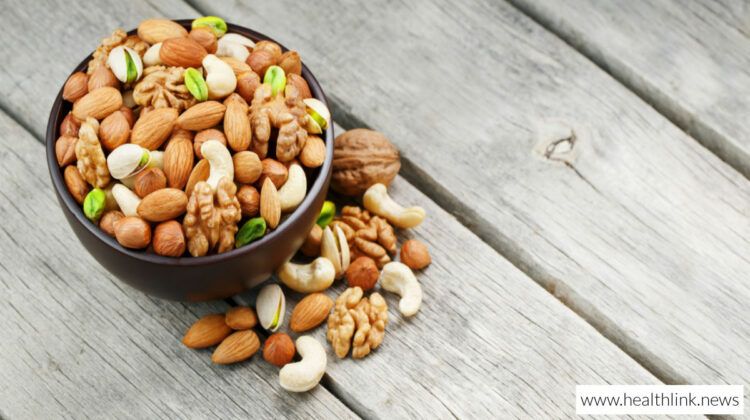
Nuts are important sources of obtaining healthy and essential nutrients such as vitamins, minerals, fiber, antioxidants, and so on to keep your body healthy, and active, maintain a proper overall physiological function of the body and build up a strong immune response to stay away from the occurrences of harmful diseases.
What Are All About Nuts?
Nuts are hardy forms of fruits that are derived from different plants and are filled with essential nutrients. They can be consumed at any time- either for breakfast with cereals and milk or in the evening or as afternoon snacks.
Nuts can be an important part of a healthy and balanced diet. Some nuts are expensive and not easily available, while some are cost-effective, easily affordable, and can be consumed to get healthy and fit physiology.
Overall Health Benefits From Nuts
Nuts are parts of fruits and other plant portions. So, they are naturally filled with all the good and health-beneficial nutrients derived from plants such as vitamins, minerals, and antioxidants. All these components in nuts help to provide certain health benefits such as follows:
- Weight loss: nuts are pretty low in calorie- content, so they do not lead to extra addition of calories in your body and thus help to reduce the chances of obesity.
- Healthy Heart: Consumption of nuts is related to your heart health because nuts help to lower the levels of bad or LDL (Low-Density Lipoprotein) cholesterol and thus help to keep your heart healthy.
- Diabetes: Nuts consist of health-beneficial components that are rich in antioxidants that help in controlling diseases like diabetes mellitus by lowering the amount of blood sugar levels in your body.
Are Nuts Related To Fruits Or Vegetables?
Just like fruits and vegetables, nuts too, are derived from plant parts. Nuts are edible dried fruits that are usually hard in texture, both inside and in the external layers. But nuts are different from what we normally consume as fruits and vegetables. Fruits and vegetables are usually consumed as directed plant parts, whereas nuts are the edible seeds of fruits, or sometimes, they are parts of some fruits. The most common examples of nuts are walnuts, cashew nuts, almonds, Brazil nuts, walnuts, macadamia nuts, pistachios, pine nuts, and most other forms of nuts derived from the seeds of certain fruits, legumes, such as peanuts that are derived from leguminous plants, and so on. The other forms of nuts are chestnuts, acorns, and hazelnuts.
There are different types of nuts they are not only delicious but also filled with essential components and health-beneficial nutrients. Some of the nuts that are most consumed can be listed here as follows:
1. Almonds
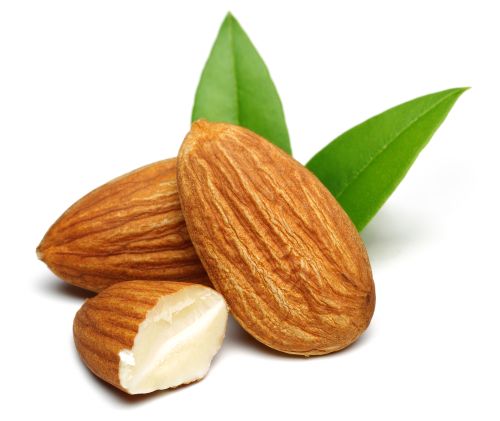
Almond nuts are some of the most widely used nuts, not only in India but also throughout the world, they are not only delicious but are also filled with essential nutritional components that are quite necessary for maintaining proper functioning of the overall body. Almonds are slightly long and oval-shaped nuts that are coated with brown skin. Almonds are so full of good taste and nutrients that one can consume them either raw, roasted, or in the form of almond butter, almond milk, or almond flour. Compared to other nuts, almonds are quite cost-effective and easily affordable for all, so start having almond nuts today.
Health Components In Almonds
Almost 1 ounce or 28 grams of a serving of roasted almonds consists of the following health nutrients:
- Calories: 170
- Fat: 15 grams
- Vitamin E: 45% of the Daily Value (DV)
- Fiber: 3 grams
- Carbohydrates: 6 grams
- Protein: 6 grams
- Magnesium: 19% of the DV
- Manganese: 27% of the DV
Health Benefits Of Almonds
Besides possessing a delicious flavor, certain important health benefits are present in almonds. Almond nuts remain packed with several healthy nutrients that provide a few benefits. Some of them are given below:
- The high content of vitamin E in almonds helps to provide antioxidant functions that prevent the risks of oxidative damage within the cells by fighting against disease-causing free radicals. This function not only prevents the chances of occurrence of diseases, but also develops a strong immune system inside the body that can fight any harmful disease caused by bacteria, viruses, or any micro-organism.
- The nutrients present in almonds help to keep the heart healthy by lowering the levels of LDL or bad cholesterol and keeping the levels of HDL (High-Density Lipoprotein) or good cholesterol at an optimum. This helps to lower the chances of heart attacks, cardiac failure, cardiac arrest, and many other cardiovascular diseases in your body.
- It helps to control your blood sugar levels and thus lowers the chances of developing chronic diseases such as type 2 diabetes.
2. Pistachios
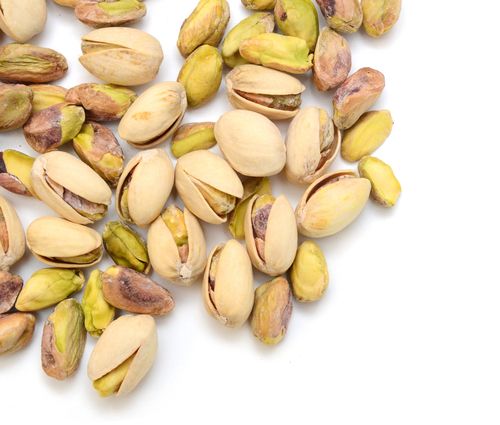
Pistachios are delicious, green-colored nuts that are filled with nutritional components such as vitamins, minerals, fiber, protein, and other essential components that are highly crucial for your body. Moreover, pistachios are quite low in calorie- content compared to other fruits and nuts, so they can be easily consumed by those who wish to lower their body weight.
Health Components In Pistachios
Almost 1 ounce (about 29.57 ml) or 28 grams of pistachios can consist of the following nutritional components:
- Protein: 6 grams
- Calories: 159
- Fiber: 3 grams
- Carbohydrates: 8 grams
- Fat: 13 grams
- Vitamin B1 (thiamine): 21% of the DV
- Vitamin B6: 28% of the DV
- Phosphorus: 11% of the DV
Health Benefits Of Pistachios
The green-colored pistachios are quite good in taste and they are packed with essential nutrients such as vitamins, like vitamin B6, and important minerals like phosphorus, that are quite necessary for your body. Some of the health benefits provided by pistachios are as follows:
- According to current studies and other sources, it is quite clear that the health components in pistachios not only help to increase the overall rate of metabolism in the body but also help to improve the immune response of your body so that you can fight against any harmful diseases.
- In a 4-month study that was conducted on 100 people, it has been found that those who ate at least 1.5 ounces (about 44.36 ml) of pistachios per day in their daily diet were in much greater chances of lowering their body weight and getting rid of conditions like obesity than those who did not have. Thus, those who want to reduce their body weight should start consuming pistachios today.
3. Walnuts
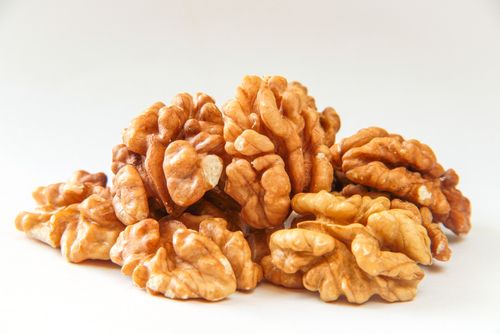
Walnuts are brown colored that is derived from the seeds of fruits. These nuts are quite delicious, and they are also filled with immense quantities of nutrients and health benefits.
Health Components In Walnuts
Almost 1 ounce (about 29.57 ml (about 1 oz)) or 28 grams of walnuts may provide you with the following nutrients:
- Calories: 185
- Fiber: 2 grams
- Carbohydrates: 4 grams
- Fat: 18.5 grams
- Protein: 4 grams
- Manganese: 42% of the DV
- Copper: 50% of the DV
- Magnesium: 11% of the DV
Health Benefits Of Walnuts
Walnuts are excellent sources of minerals such as copper, magnesium, and magnesium- all of which are extremely essential for the proper functioning of the human body. The health benefits provided by walnuts are as follows:
- The minerals in walnuts help to promote the synthesis of enzymes in your body and thus help in the production of energy.
- The health-beneficial nutrients that are found in walnuts help to keep your heart healthy by reducing the levels of bad or LDL cholesterol in your body and keeping the levels of good or HDL cholesterol at an optimum. This decreases the risks of developing any type of cardiac disease such as cardiac arrest, heart failure, chances of heart attack, and so on.
- The health components in walnuts also help in reducing the levels of high blood pressure and taking good care of your heart.
4. Cashew Nuts

Cashew nuts are white to cream-colored nuts that are extremely good in taste with a crunchy texture. Cashew nuts are derived from the seeds of cashew apples, and they too consist of some essential health components.
Health Components In Cashew Nuts
Around 1 ounce (about 29.57 ml (about 1 oz)) or 28 grams of raw cashews consist of the following nutritional components:
- Calories: 155
- Carbohydrates: 9 grams
- Fiber: 1 gram
- Fat: 12 grams
- Protein: 5 grams
- Vitamin K: 8% of the DV
- Manganese: 20% of the DV
- Magnesium: 20% of the DV
Health Benefits Of Cashew Nuts
The good number of vitamins, minerals, and other essential components in cashew nuts help in providing the following health benefits:
- Help in developing better metabolism and helps to boost your immune system
- The health components in cashews help in lowering your body weight
- Cashew nuts keep your heart healthy by controlling cholesterol levels.