Your Ultimate Pregnancy Guide 5 to 8 Week
On this page
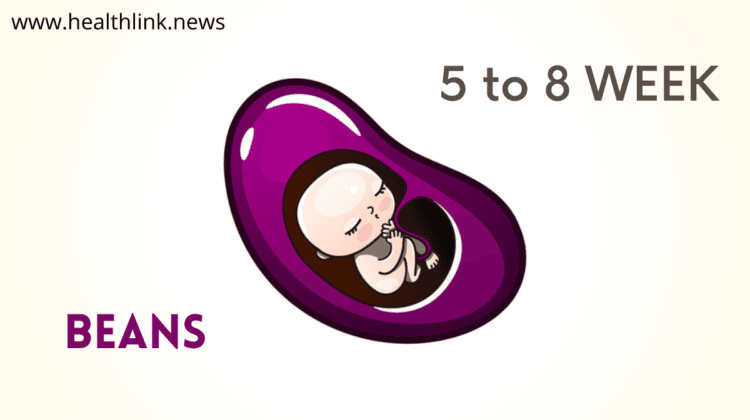
Imagine what can be more joyous and cheerful for you to know that you are pregnant? Once your pregnancy test and your doctor assure that you are pregnant, you might be concerned about your young one- its health, growth, and development become the crucial factors. But some factors should be taken care of while you are pregnant. It is often said that not all pregnancies lead to successful childbirth. So, when you are pregnant, you should always ensure that you are taking proper care of your health in every stage of your pregnancy, abiding by the instructions of the physician, and thus securing the health of your child and you will be able to avoid any type of difficulty in your later age.
When you are pregnant for around 5 weeks, along with the extreme feelings of joy and happiness, some concerns might occur in you some concerns about how to deal with a 5-week pregnancy healthily. During this time, though your child is in a very tiny shape and size but being its mother, you will physically and mentally feel its presence.
The 5th Week of pregnancy:
When you are in week 5 of pregnancy, according to the clinical term, you are officially into the first trimester of your pregnancy. The moment an egg gets fertilized within your body by the male reproductive unit known as sperm contributed by your partner, you are likely to experience radical changes of hormones within your body and within the fifth week of your pregnancy, which is also an early period of pregnancy, your body produces a hormone called the HCG hormone that increases in rapid proportions in your body, and it is also found in your urine. HCG is a hormone that the blastocyst produces within your body only when you are pregnant. In-home and urine pregnancy tests, the presence of HCG hormone in your urine is tested to tell if you are pregnant or not.
Apart from HCG, there is a rapid change in the secretion of the female gonadotropic hormones produced from the pituitary glands in your brain and the primary female reproductive hormones- estrogen and progesterone.
In the 5th week of pregnancy, as your menstruation stops, your placenta formation and the development of the amniotic sac already begin along with the growth and development of your fetus. A cord-like substance, known as the umbilical cord, begins to connect with the mother’s body system, which along with the amniotic sac, provides nutrition to the baby and it also helps in blood circulation from the mother’s body. Though the embryo is small in size during this early week of pregnancy, some of its essential body organs already begin to form such as the heart, brain, the spinal cord, some inner body cells, along with bones and muscles.
The 6th Week of pregnancy:
In the 6th week of pregnancy, the embryo undergoes rapid growth, and you will feel that your body is changing. The baby is about the size of a BB pellet and takes a shape like a tadpole with a curvature. The baby is now forming a clear and prominently visible (under a USG) vertebral column, its neural system is completely developing. Its arms and limbs have now become visible and the sensory organs like eyes, ears, and nose are about to form. It is from the 6th week that your concerned physician can set the expected date based on the baby’s heartbeat that becomes audible by now. During this week, the mother needs to be particularly careful about her health and most importantly, the health of the baby because during this time the baby is prone to any slightest damage that can have a major impact on its health.
The 7th Week of pregnancy:
In the 7th week, the tiny limbs of the baby are gradually developing into little paddle-shaped hands and feet (though these are yet to develop more) but many parts still undergo developments such as the heart, the circulatory system, the lungs, and the respiratory system, the digestive tract and organs like the intestines, appendix, spinal cord, nostrils, mouth, and eyes that form retinas.
The 8th Week of pregnancy:
In the 8th week of your pregnancy, your baby is just 0.5 in. Major growth and bodily developments occur in this week such as the eyelids begin to appear and the earlobes start to develop. The little hands and feet of your baby that are much paddle-like are yet to develop. The heart in this week will have an average beat of 80 to 180 times per minute.
Common Symptoms from Weeks 5 To 8:
During weeks 5 to 8, your body will undergo major changes, as will your little one grow and develop rapidly. The most common symptoms and changes that you will experience during this period of early pregnancy are as follows:
Breast Tenderness: The most significant physiological change that may appear during the 5th to 8th week of your pregnancy is a change in breast shape and size. Particularly from the 5th and 6th weeks of your pregnancy, your breasts might appear swollen and larger, and you might feel tingling, tenderness, and slight pain in your breasts. In fact, during this time, the nipples appear darker and may have a feeling of soreness.
Morning sickness: Morning sickness is a common symptom of early pregnancy, at least during the first three months of pregnancy or longer that not necessarily occurs during the morning but can occur at any time of the day and takes place primarily due to the immense hormonal changes that take place within the body during this time. This is a condition characterized by nausea, vomiting, a sense of extreme fatigue, discomfort, and exhaustion.
Fatigue: Rapid physiological, psychological, and hormonal changes occur in your body since the moment of conception, so fatigue, feeling of exhaustion, and tiredness are the most common symptoms of early pregnancy. Along with the body, the mind also sometimes gets drained and since so many massive changes start to occur altogether suddenly you may also mentally feel tired, and some people can also suffer from a condition known as ‘pre-natal depression’ during these weeks of early pregnancy. If you undergo any of these extreme conditions, try consulting your health care expert at once.
The frequent urge of urination: In these weeks of pregnancy, it is common to urinate frequently because, at this stage of pregnancy, the female reproductive hormones are present in large proportions in your blood flow and body fluids that are purified out of your body by the effective functional mechanism of your kidneys.
Some other changes and noticeable symptoms of weeks 5 to 8 of pregnancy are as follows:
- You have a feeling of getting bloated.
- You missed your periods.
- You are likely to put on some weight, mostly in the 6th week, but you can also get slim if you are suffering from nausea, vomiting, or morning sickness.
- Increase in sense of smell
- A slimy, milky white discharge from the vagina.
- Pregnancy cramps feel much like period cramps.
- Changes in your eating habits and a metallic taste in your tongue.
- Your 6th week will say if you are having twins after having a thorough UTI check-up.
- The uterus will change in size.
- Increase in heartbeat: Your heart will start pumping more frequently than usual (approximately 50% more blood each minute) to provide a steady supply of blood and oxygen to the rapidly growing baby.
- Sudden mood swings
Some Self Care Tips During the Weeks 5 To 8:
It is essential to take care of yourself and abide by the pregnancy norms when you are expecting a child. If you care for your health, you care for your child too. Here are some tips that must be followed during these weeks for a problem-free pregnancy and successful childbirth:
1. Have Good Nutrition: Proper nutrition and a balanced diet are the ultimate ingredients for a healthy pregnancy. Avoid the consumption of packaged foods and overly processed foods or food substances that are excessively spicy and fast foods. Instead have foods that are high in nutritional values such as fresh fruits and green leafy vegetables, along with foods rich in vitamins, minerals, folate, and antioxidants. Try having foods that contain roughage and fiber like whole grains, porridge, or oatmeal that will help in easy bowel movement, and have plenty of water, fluids, and fruit juices.
2. Take Folic Acid: When you visit your physician, he or she will advise you to have foods that are rich in folic acid or will prescribe folic acid supplements. Consumption of folic acid during the help initial stages of pregnancy will help in the overall growth and brain development of your child and will help to protect your baby from diseases like down syndrome.