Leading Gynaecologists - Specialised Care is Critical in High-Risk Pregnancies
On this page
- What Defines a High-Risk Pregnancy?
- Key Risk Factors in High-Risk Pregnancies
- Why Specialised Care is Essential in High-Risk Pregnancies
- Continuous Monitoring and Early Intervention
- Multidisciplinary Medical Management
- Advanced Foetal Diagnostics and Imaging
- Personalised Pregnancy Care Plans
- Access to Advanced Neonatal Intensive Care (NICU)
- Emotional and Psychological Support
- Conclusion
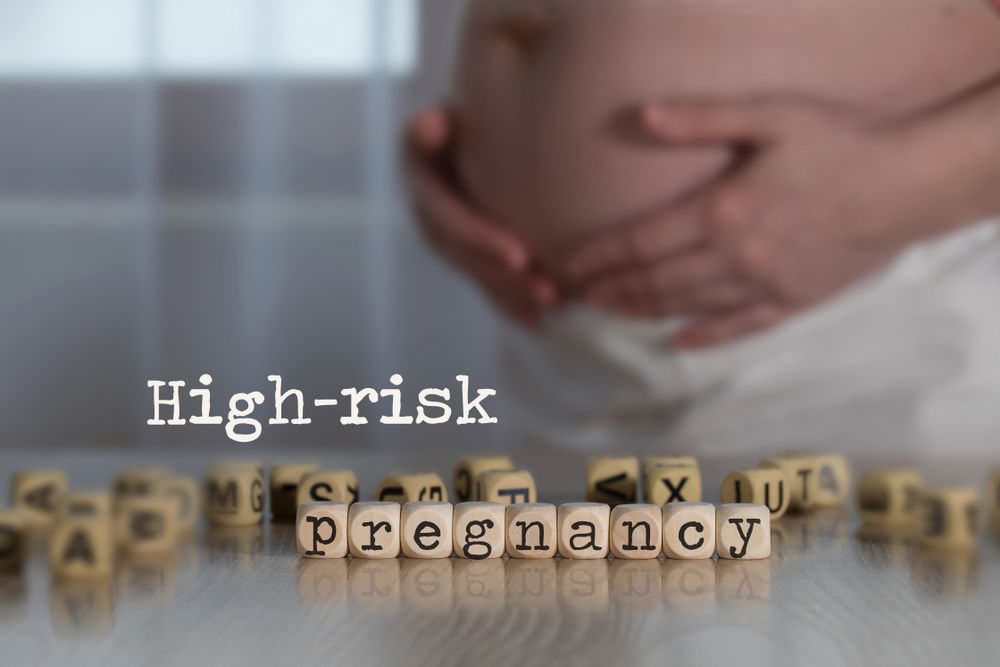
“High-risk pregnancies are becoming a growing concern as more women face medical conditions or pregnancy-related complications that require closer monitoring. In these situations, the mother and the baby might need closer attention during the pregnancy process.
This is why timely medical assistance is particularly significant. Knowledge about high-risk pregnancy and the importance of specialised care can be used to achieve safer births and better health of the mother and child.
What Defines a High-Risk Pregnancy?
A high-risk pregnancy is a pregnancy that is associated with a higher risk of complications to the mother, the baby, or both. These risks can be based on underlying medical conditions, pregnancy-related complications or obstetric history.
This is why timely assessment and high-risk pregnancy care in Delhi NCR are especially important, as early diagnosis helps experts like Dr. Anjali Kumar, MBBS, MD (Obstetrics & Gynaecology), with 35+ years of experience, create a personalised care plan, monitor the pregnancy closely, and reduce the risk of possible complications.
Key Risk Factors in High-Risk Pregnancies
To diagnose and treat high-risk pregnancies in time, it is essential to understand the factors that cause them.
1. Advanced Maternal Age: Women who conceive after the age of 35 are more likely to encounter complications such as gestational diabetes, high blood pressure, and chromosomal abnormalities. Also, labour and delivery risks, such as the probability of having to undergo a caesarean section, are more likely to be higher with age.
2. Diabetes (Pre-existing or Gestational): Pregnancy-related diabetes needs close and constant attention. The uncontrolled level of blood sugar may cause complications like excessive foetal growth (macrosomia), preterm birth, and difficulties during delivery. To ensure the best maternal and foetal health, proper monitoring, dietary control, and medical control are necessary.
3. Hypertension and Preeclampsia: High blood pressure may have a serious effect on the placental functioning and limit the amount of oxygen and nutrients reaching the baby. Preeclampsia is a more serious condition that may be very dangerous to both the mother and the child unless treated immediately. The prevention of complications is based on regular monitoring and early intervention.
4. Multiple Pregnancies (Twins or More): Carrying twins, triplets, or more increases the physical demands on the mother’s body and raises the likelihood of complications such as preterm birth, low birth weight, and developmental concerns. Such pregnancies demand special attention, regular check-ups and close monitoring.
5. Previous Pregnancy Complications: Women with a history of miscarriage, preterm delivery, or stillbirth are at a higher risk in subsequent pregnancies. Early and persistent monitoring and proactive care plans are necessary in such cases to reduce the recurrence of risks.
6. Lifestyle and Medical Factors: Pregnancy-related complications may also be caused by obesity, smoking, poor nutrition, and sedentary lifestyles. Addressing these factors through guided interventions can play a significant role in improving outcomes.
Why Specialised Care is Essential in High-Risk Pregnancies
Specialised care is not only desirable but, in many cases, it is necessary in the management of high-risk pregnancies.
Continuous Monitoring and Early Intervention
High-risk pregnancies require more frequent antenatal visits, advanced imaging, and diagnostic testing. Regular ultrasounds, blood tests, and foetal monitoring help track development and detect any abnormalities at an early stage. Early diagnosis will enable healthcare providers to act in time, and the risk of adverse outcomes will be greatly reduced.
Multidisciplinary Medical Management
Effective care often involves a coordinated team of obstetricians, endocrinologists, cardiologists, and foetal medicine experts, ensuring that every medical concern is assessed and managed in a timely and comprehensive manner.
In such situations, access to high-risk pregnancy care in Delhi NCR under the guidance of experts such as Dr Alka Gupta, MBBS, MD (Obstetrics & Gynaecology), with 45+ years of experience, along with some of the top doctors of Delhi NCR, plays a vital role in ensuring integrated treatment, continuous monitoring, and specialised care throughout pregnancy.
Advanced Foetal Diagnostics and Imaging
The current obstetric practice takes advantage of the latest technology, including high-resolution ultrasounds, Doppler studies, and genetic screening tests. These tools enable early detection of developmental issues, chromosomal abnormalities, and placental complications, allowing for informed decision-making and proactive treatment.
Personalised Pregnancy Care Plans
No two high-risk pregnancies are the same. Each case requires a customised care plan based on the individual’s medical history, risk factors, and ongoing clinical findings. Under the guidance of experts such as Dr. Aruna Kalra, MBBS, MD (Obstetrics & Gynaecology), with 25+ years of experience, personalised care can support closer monitoring, timely intervention, and better maternal and foetal outcomes.
Access to Advanced Neonatal Intensive Care (NICU)
Immediate neonatal support might be necessary in most high-risk pregnancies, particularly when it comes to preterm birth or complications. Availability of a well-equipped Neonatal Intensive Care Unit (NICU) is thus essential. These units offer specialised treatment of premature or medically weak newborns, such as respiratory therapy, infection control, and round-the-clock observation.
The availability of advanced neonatal facilities significantly improves survival rates and supports healthy long-term development.
Emotional and Psychological Support
Pregnancies that are considered high-risk may be emotionally difficult for both the expectant mother and the family. Counselling and psychological support are usually offered in specialised centres to assist in dealing with anxiety, stress, and uncertainty to maintain overall well-being, in addition to medical care.
Conclusion
Risky pregnancies require specialised, closely observed care in order to achieve the best possible outcomes. Maternal age, diabetes, hypertension, multiple pregnancies, and past complications are some of the factors that require the intervention of experts.
The management of high-risk pregnancies has never been more effective than it is today with the development of obstetric medicine, multidisciplinary care, and neonatal support.
By choosing dedicated pregnancy care in Delhi NCR, patients can access expert support from Dr. Astha Dayal, MBBS, MD, MRCOG (UK), with fellowships in laparoscopic surgery and infertility, and 16+ years of experience, along with some of the top doctors of Delhi NCR, ensuring safer and more confident care throughout pregnancy.
Author

DocIndia Editorial Team
Check cache DocIndia Editorial Team works with Doctors to create informative articles.
View profile