Tests In Your First Trimester of Pregnancy
On this page
- What Is First Trimester?
- What Are First Trimester Pregnancy Tests?
- Tests To Perform in Your First Trimester:
- 1. Ultrasound:
- 2. Early blood tests:
- 3. Chorionic villus sampling or (CVS):
- 4. History and physical exam:
- 5. Pelvic exam and Pap smear tests:
- 6. Urine tests:
- 7. Noninvasive prenatal test (NIPT):
- Some Other Tests in the First Trimester:
- Importance of tests in the First trimester of pregnancy:
Once a pregnancy test confirms that you are pregnant, there is an immense sense of joy and happiness within you and your near ones. But as a mother-to-be, you might be concerned about several issues regarding your health and about the health of your child. Doctors say that you should undergo thorough routine check-ups and abide by all the instructions given by your concerned physician.
Your pregnancy, from conception to childbirth is broadly divided into three trimesters. Each trimester is equally important for the child’s overall growth and development and as a mom-to-be, you should go through tests and check-ups to keep proper track of your health and the health of your child.
What Is First Trimester?
As mentioned earlier, pregnancy lasts for three trimesters that span for a period of almost about 40 weeks or a little more than 9 months. The first twelve weeks of your pregnancy is known as the first trimester, and it is considered as one of the most crucial and the most delicate stage in the time of your pregnancy because this is the time when your baby is undergoing major physiological growths and developments. Your body also goes through some physiological, psychological, and emotional changes such as tiredness, sudden mood swings, cravings and revulsion to certain foods, problems related to indigestion such as stomach upset, bloating of stomach, or issues like morning sickness, nausea along with vomiting, heartburn, and constipation. In fact, during this time you might also notice certain physical changes such as tenderness and swelling in breasts, darkening of nipples, and so on.
During this time of pregnancy, it is very important to go through some prenatal tests, particularly in your early pregnancy or during the first trimester to avoid complications in the pregnancy and several types of birth issues. Moreover, these tests will also help you to detect if you have any prior diseases or any hidden disorders. This disorder can be easily treated before it becomes too late and, in the future, can cause serious damage to the child’s health.
What Are First Trimester Pregnancy Tests?
When you are in the first trimester of your pregnancy, then you are in the earliest and in the most vulnerable stage of pregnancy where both your health and the health of your child are very much prone to several issues like diseases or infections. So pre-natal pregnancy tests are done during this period of pregnancy to check the health of the mother-to-be and the health of the baby.
Doctors particularly advise screening tests during the first trimester of pregnancy to check if there is a chance of developing any form of difficulties in the pregnancy or if there is any risk factor regarding the baby’s health or other related conditions such as birth problems like chances of miscarriage, preterm birth, stillbirth, any disorder linked to the chromosomal or genetic orientation of the child or any other problems.
When you are in your first trimester, it is very important to take the doctor’s opinion and take some essential screening tests that must be done during this time to ensure your health and the health of your child.
Tests To Perform in Your First Trimester:
1. Ultrasound:
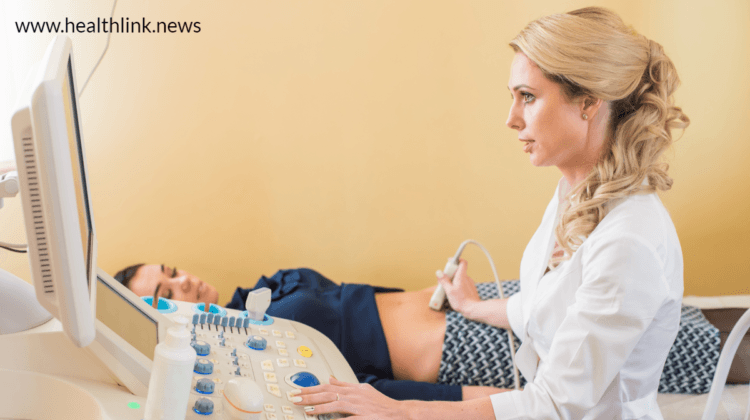
An ultrasound or USG test is a unique screening test that tracks the baby’s image within the mother’s womb with the help of sonographic sound waves. A USG is a very effective test that helps to detect if there is any physiological or mental abnormality in the child and can also determine the normal size and location of the baby within the mother’s uterus.
2. Early blood tests:
You should carry out necessary blood tests during the first trimester of your pregnancy to detect the levels of plasma protein-A and a hormone called human chorionic gonadotropin or HCG hormones in your blood, a hormone that develops only during pregnancy. If the levels in the results are in abnormal proportions, then it indicates that there are risks of the development of genetic and chromosomal abnormalities in the child. These blood tests can be basically of two types: one is called a sequential integrated screening test and the other is serum integrated screening.
Blood tests in early pregnancy, particularly during the first trimester are also performed to know whether you are fully protected with chickenpox, dengue, or Covid- 19 vaccines and whether you have iron deficiency in your blood or anemia.
Blood tests are done in pregnancy to know your blood group and to predict, whether you are rhesus positive and negative and thus to calculate Rh compatibility with your baby accordingly.
3. Chorionic villus sampling or (CVS):
If you carry out a chorionic villus sampling or (CVS) test in your early pregnancy or the first trimester, particularly within the 11th or 12th weeks of pregnancy, the examiner will take a small sample of tissue from the baby’s protective covering known as the placenta. This test shows whether the baby is about to develop any form of genetic abnormalities such as Down syndrome or cystic fibrosis.
CVS tests can be broadly divided into two basic types:
One is called a trans-abdominal test that tests through the lower part of the abdomen and the second one is called a trans-cervical test that tests through the cervical region.
This test is particularly recommended by the doctor if the former tests are producing results that are not up to the mark. This is always a final option for doctors because CVR has some potential downsides that may lead to conditions like cramps or spotting and in severe cases can also cause miscarriage.
4. History and physical exam:
Before getting into your second trimester you need to show your doctor if there is any genetic disorder in your family history. This is because if there is a genetic deformity in your family bloodlines or the family history of your partner, then there are high chances that these physical traits might get transmitted to the body of the child and can lead to further difficulties of the child when he or she grows up in future.
5. Pelvic exam and Pap smear tests:
Pelvic and pap smear tests are done during the first trimester of pregnancy to detect if the mother is at risk of developing cervical cancer during pregnancy or if the baby might get infected from any sexually- transmitted disease from the mother’s body.
6. Urine tests:
You must positively go for a urine test in your first trimester to check if there are chances of developing kidney-related diseases such as kidney stones, kidney infections, or kidney failure (in extreme cases). Excessive glucose content in your urine samples may also indicate diabetes in your body that may cause health risks to the fetus.
7. Noninvasive prenatal test (NIPT):
A non-invasive prenatal test or NIPT is a sort of DNA test that should be performed within the 10th week of your pregnancy. This kind of free-cell pre-natal test of the embryo tests the blood sample of the mother and detects the amount of baby’s DNA in her blood flow and can effectively foretell if the baby has development-related issues such as Down Syndrome or whether the baby might develop any genetic deformities.
Some Other Tests in the First Trimester:
Apart from the above-mentioned tests, there are some other tests also that your concerned physician might prescribe you to conduct when you are in the first trimester of your pregnancy. These tests will eventually reduce the risk factors in your pregnancy and will also help you to get rid of genetically transmitted diseases to the body of your child. Some such tests are as follows:
- Thyroid disease
- Tay-Sachs disease
- Toxoplasmosis
- Jaundice or hepatitis A, B or C
- Canavan disease
- Cytomegalovirus (CMV)
- Fragile X syndrome
- Tuberculosis
If you have any doubts or if you do not know which tests are important for you to conduct, then it is highly recommended to take the help of your concerned health care expert.
Importance of tests in the First trimester of pregnancy:
It is always a question that is often thought of by would-be mothers. The main reason behind carrying out tests during the early stages of your pregnancy detects the following things:
- How much difficulty you are going to face during your entire pregnancy period
- Any chance of risk regarding the health conditions of the mother and/ or the child or whether there is any lack of development of the child, such as changes of the child suffering from down syndrome, etc.
- Will there be any chance of miscarriage or preterm birth or any labor or birth-related difficulty?