Postpartum Wellness: 3 Things to Consider After Pregnancy
On this page
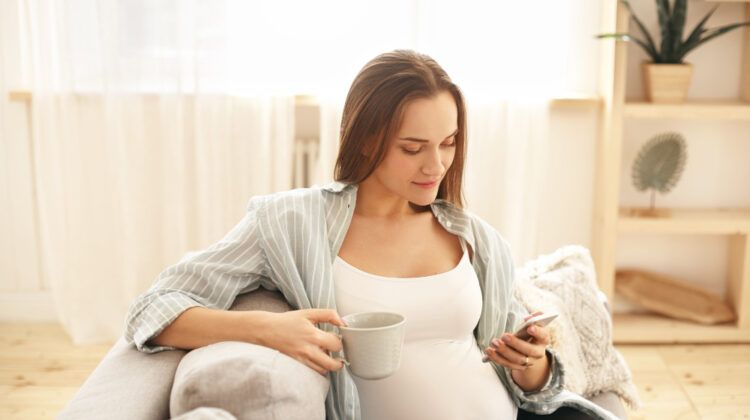
3 Things to Consider After Your Pregnancy
The journey of pregnancy is a transformative and joyous experience for many women. As a new mother, however, the postpartum period is equally important and requires thoughtful consideration. After giving birth, your body undergoes significant changes, and adapting to your new role as a parent can be both exciting and challenging. In this study, we will explore three crucial aspects to consider after your pregnancy to ensure a smooth transition into motherhood.
Self-Care and Physical Recovery:
The postpartum period is a time when your body requires ample rest and recovery. Childbirth is a physically demanding process, and your body needs time to heal. It’s essential to prioritize self-care during this period. Adequate rest, a balanced diet, and hydration are key elements to support your body’s recovery.
Engage in gentle exercises, such as postpartum yoga or walking, after receiving approval from your healthcare provider. These activities can help restore your strength and flexibility while aiding in the recovery of your abdominal muscles. Pelvic floor exercises are also beneficial for many women to address any issues related to pelvic floor weakness that may arise during pregnancy and childbirth.
Seek support from your partner, family, and friends to ensure you have the time and space to focus on your physical well-being. Remember that taking care of yourself is not a luxury but a necessity for both your own health and your ability to care for your newborn.
Emotional Well-Being and Mental Health:
The postpartum period often brings a range of emotions, from joy and excitement to feelings of overwhelm and fatigue. It’s crucial to prioritize your mental health during this time, as the transition to motherhood can be emotionally challenging.
Don’t hesitate to communicate openly with your partner and loved ones about your feelings. Share your experiences and concerns, and seek support when needed. Many women experience the “baby blues” in the first few weeks after childbirth, which is characterized by mood swings, sadness, and anxiety. If these feelings persist or intensify, it’s essential to reach out to a healthcare professional for guidance.
Consider joining postpartum support groups or seeking therapy to connect with other new mothers and share your experiences. Taking care of your emotional well-being is not only beneficial for you but also creates a positive environment for your baby.
Balancing Work and Parenting:
For many women, returning to work after maternity leave is a significant consideration. Balancing career responsibilities with the demands of parenthood can be challenging, requiring careful planning and communication.
Before returning to work, discuss your needs and concerns with your employer. Explore flexible work arrangements, such as remote work or adjusted hours, to create a more manageable schedule. Consider childcare options and ensure that you feel comfortable with your chosen arrangement.
Establish a support system at home, involving your partner, family, or friends to share parenting responsibilities. Open communication with your employer and a realistic approach to time management will help you navigate the challenges of balancing work and parenting successfully.
The postpartum period is a time of transition that requires attention to physical, emotional, and practical aspects of your life. Prioritizing self-care, addressing your emotional well-being, and finding a balance between work and parenting are essential steps in ensuring a positive and healthy start to motherhood. Remember that every mother’s journey is unique, and seeking support from loved ones and healthcare professionals can make this transition smoother and more enjoyable.