Menopause and Osteoporosis: Protect Your Bone Health
On this page
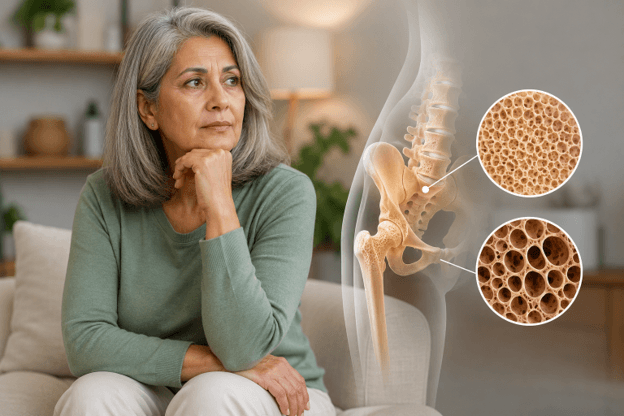
Menopause brings several physical changes, including hot flushes, disturbed sleep, and lower energy levels. One important change that may go unnoticed is the gradual loss of bone strength. As oestrogen levels decline during and after menopause, bones become less dense over time. This can lead to osteoporosis, a condition that weakens the bones and increases the risk of fractures.
Although this may sound concerning, osteoporosis is not an unavoidable part of menopause. Early awareness, healthy lifestyle choices, and appropriate screening can help protect long-term bone health. Consulting a gynaecologist for menopause can also help you understand your personal risk factors and the steps you can take to maintain stronger bones.
How Menopause Affects Bone Health
Bone is living tissue that is continuously broken down and rebuilt. Oestrogen helps maintain the balance between bone formation and bone breakdown. As oestrogen levels fall around menopause, bone breakdown can begin to outpace the formation of new bone.
Bone loss is often particularly rapid during the years around the menopausal transition. As bone density declines, bones may become weaker and more vulnerable to fractures. This makes menopause an important period for reviewing nutrition, physical activity and other factors that influence bone health.
Bone loss after menopause is common, but its progression varies between women. Timely care can help identify individual risks and support stronger bones in later life.
Who Is at Higher Risk of Osteoporosis After Menopause?
Although menopause affects every woman’s bone health, certain factors can increase the likelihood of osteoporosis. Understanding these factors can help you seek advice at the right time.
● Having a family history of osteoporosis or hip fractures
● Experiencing menopause before 45 years of age
● Having a small or thin body frame
● Taking steroid medicines for an extended period
● Following a diet low in calcium, vitamin D or protein
● Smoking or consuming excessive amounts of alcohol
● Living with conditions that affect hormone levels or nutrient absorption
● Getting a little weight-bearing exercise or physical activity
Having one or more risk factors does not mean you will develop osteoporosis. However, your doctor may recommend an earlier bone health assessment based on your overall fracture risk.
Warning Signs and Diagnosis of Osteoporosis
Osteoporosis is described as a silent condition because it may not cause noticeable symptoms during its early stages. In some cases, a fracture is the first clear indication that bones have become weaker.
Changes that may require medical evaluation include:
● Persistent or unexplained back pain
● Gradual loss of height
● A stooped or forward-leaning posture
● A fracture after a minor fall or injury
● Sudden back pain caused by a spinal fracture
A DEXA or DXA scan measures bone density, usually at the hip and spine, and reports the result as a T-score. A score between –1 and –2.5 indicates osteopenia, while –2.5 or lower may indicate osteoporosis. Screening is generally advised from age 65 or earlier for postmenopausal women with a higher fracture risk.
How to Protect Your Bones After Menopause
Daily habits can support bone and muscle strength throughout and after menopause. A balanced approach that consists of nutrition, exercise, and fall prevention is more effective than relying on a single measure.
● Eat calcium-rich foods such as dairy products, ragi, sesame seeds, and green leafy vegetables.
● Get enough vitamin D through sunlight, diet, or supplements, as advised by your doctor.
● Include weight-bearing activities such as walking, dancing, or stair climbing.
● Perform resistance exercises to improve bone and muscle strength.
● Eat protein-rich foods such as pulses, eggs, dairy products, fish, and lean meat.
● Avoid smoking and limit alcohol consumption.
● Make your home safer by removing loose rugs and using non-slip mats.
Exercise should always match your fitness level and medical condition. If you have osteoporosis or previous fractures, consult your doctor before starting a new exercise plan.
When Should You Seek Medical Advice?
Always consult a doctor if you experience persistent back pain, height loss or a fracture after a minor injury. Medical advice is also important if you have experienced early menopause, take long-term steroids or have several osteoporosis risk factors. Your doctor may review your medical history, medicines and lifestyle before recommending a DEXA scan or blood tests.
If you are looking for a menopause clinic in India , choose one that offers comprehensive bone health care. Treatment may include calcium and vitamin D supplements, medicines that slow bone loss or therapies that support bone formation. Menopausal hormone therapy may be considered for selected women after reviewing its benefits and risks. Established hospitals such as BirthRight by Rainbow Hospitals provide comprehensive care through gynaecologists, endocrinologists, orthopaedic specialists, and physiotherapists.
Conclusion
Menopause can accelerate bone loss, but osteoporosis is not an unavoidable outcome. Recognising personal risk factors and following bone-supportive habits can help preserve strength and mobility in later life.
Adequate nutrition, regular weight-bearing activity, strength training and fall prevention form an important part of bone care. Screening should be based on age and individual fracture risk rather than menopause alone. Consulting a gynaecologist for menopause can help you receive personalised guidance, timely testing and suitable treatment.
Medical Disclaimer
This content is for general informational purposes only and is not a substitute for professional medical advice, diagnosis or treatment. Always consult a qualified healthcare professional regarding your specific health concerns.
Author

DocIndia Editorial Team
Check cache DocIndia Editorial Team works with Doctors to create informative articles.
View profile