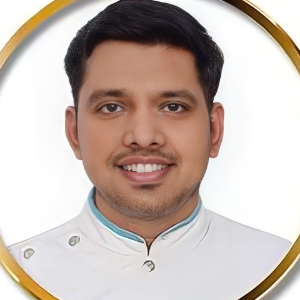
Dr Ishan Singh Verified
About Dr Ishan Singh
Dr. Ishan Founder Dentist Peoples Dental Clinic, Greater Noida Dr. Ishan BDS,MDS (PHD) is owner and chief dentist at Peoples Dental Clinic, Greater Noida. He is currently also working as senior lecturer at ITS College, Greater Noida in 2013. Since 2013, Dr. Ishan has been passionately practicing modern dentistry in Jagat Farm, Gamma 1, Greater Noida since 2013. He is skilled in advanced and painless dental treatment procedures. He did his post graduation in Public Health Dentistry to deeply understand the prevention, cure and rehabilitation of dental problems in people of Greater Noida. He has also been practicing pediatric dental procedures under the able guidance of Child dentist - Dr. Binny Vashist. His love for dentistry and record of happy patients make him one of the best dentists in Greater Noida.
Clinic & timings
1 location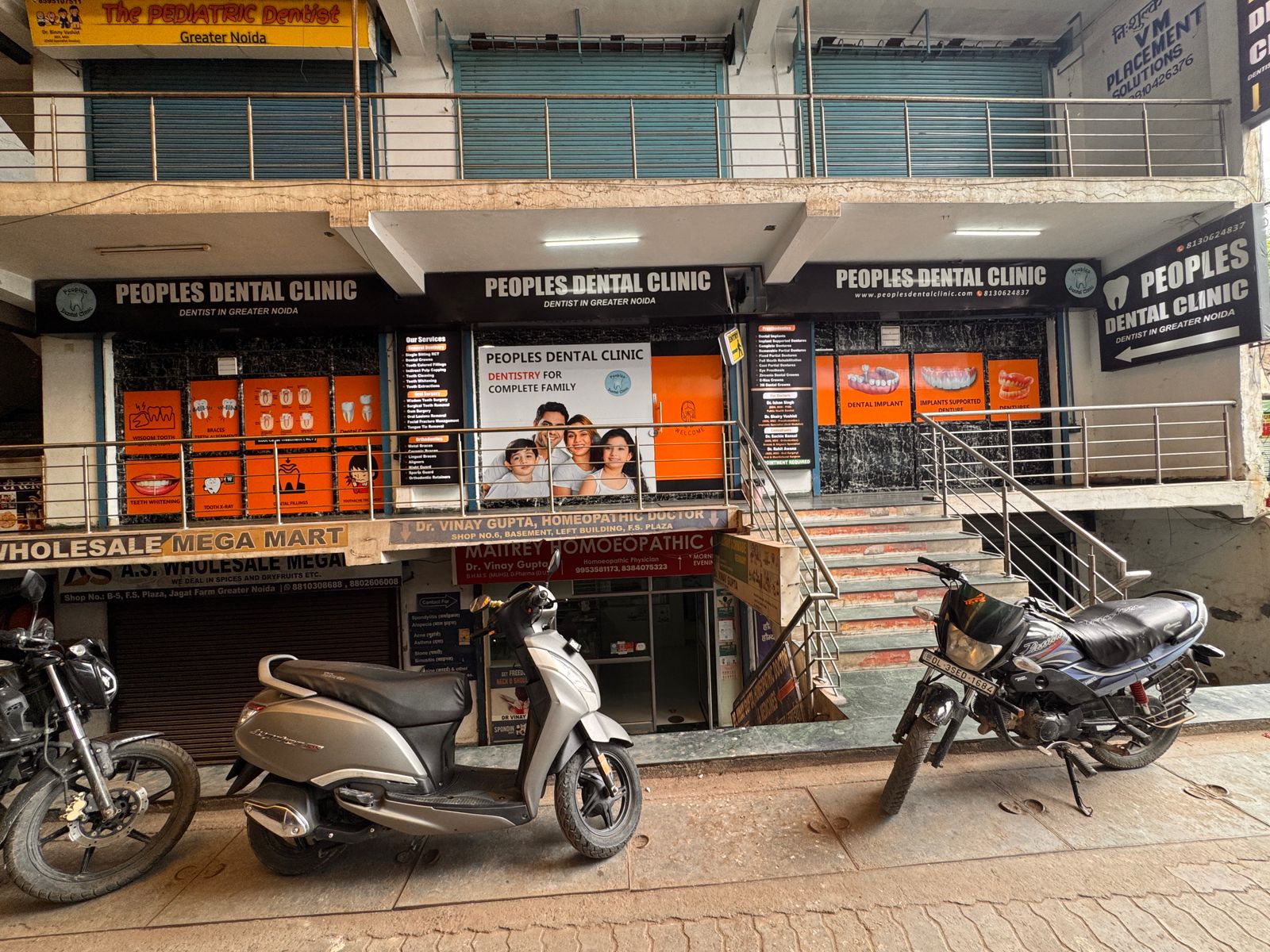
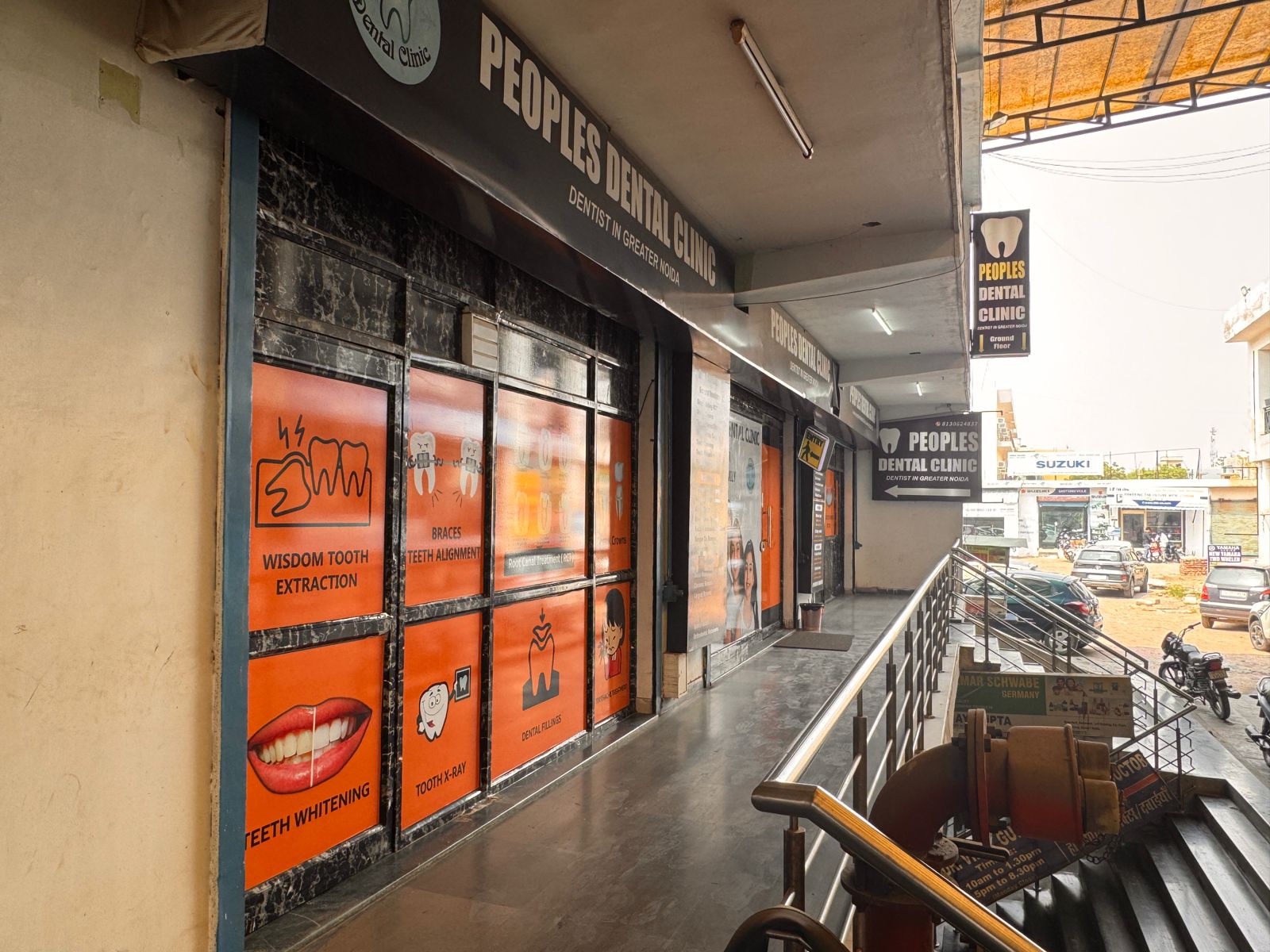
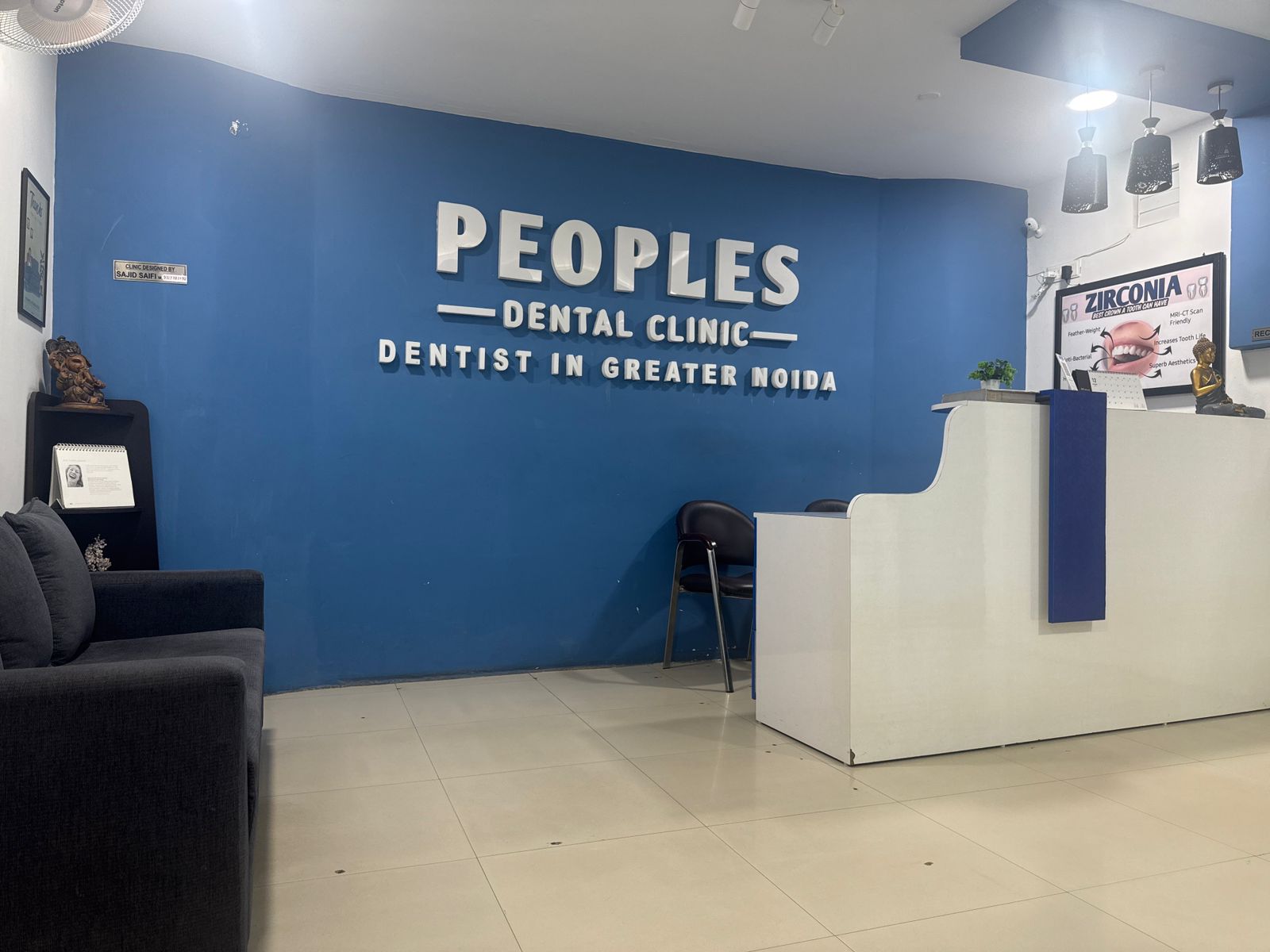
.jpeg)
Expertise
Credentials & experience
2013 – 2020
2012 – 2021
2013 – 2020
2012 – 2013
2012 – Present
Patient reviews
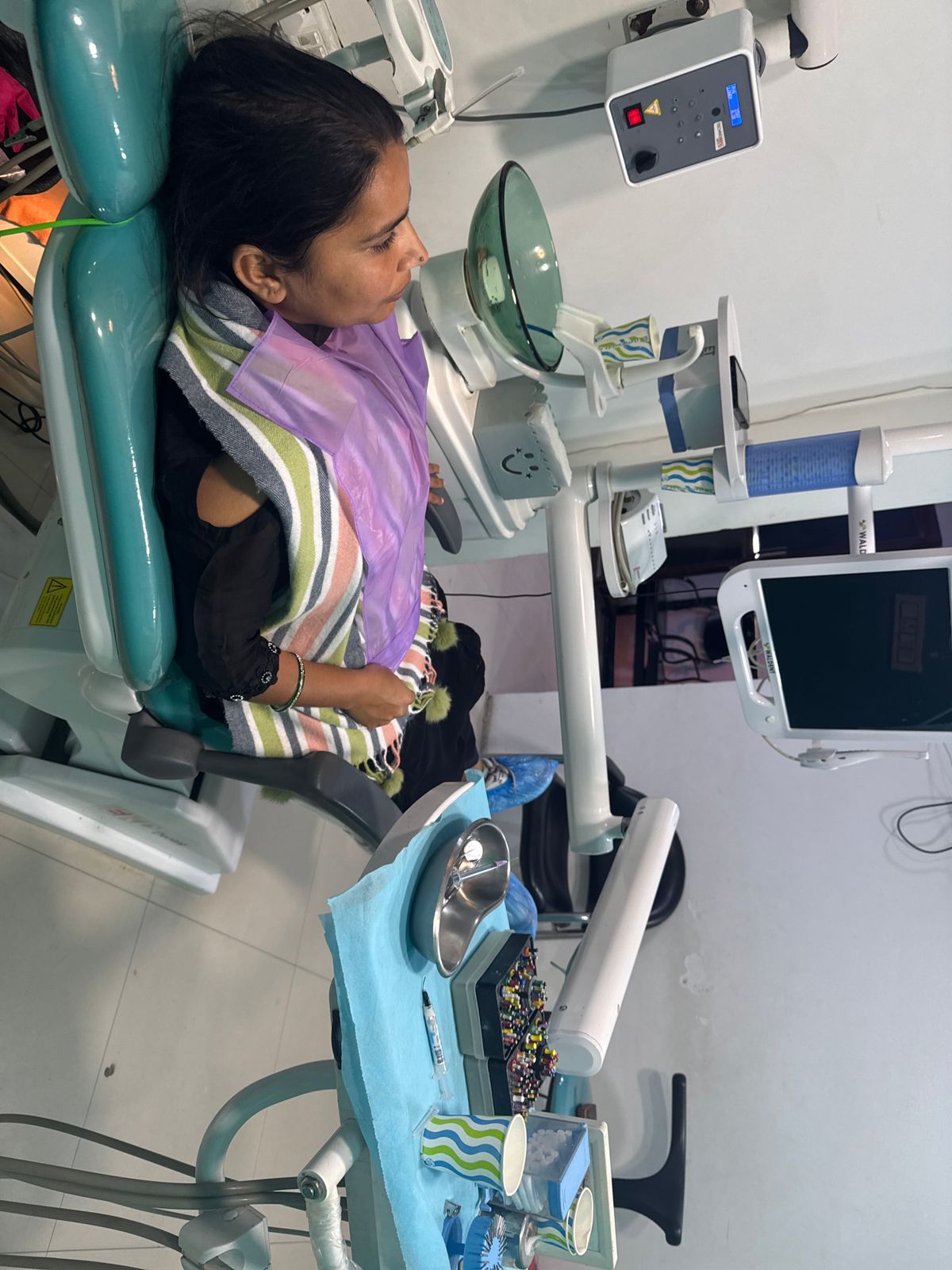
2 verifiedDr Ishan Singh from Peoples Dental Clinic provides pain-free and comfortable RCT and Tooth Capping treatments. He used electronic digital anesthesia to make my tooth area senseless & painless. Once anesthesia was given he did single sitting RCT easily without any hassle. I highly recommend Dr Ishan Singh as trusted, friendly and caring dentist in greater noida.
I had a wonderful experience with Dr. Ishan Singh at Peoples Dental Clinic, Jagat Farm, Greater Noida. He is calm, patient, and very knowledgeable. From the first visit, he explained my problem clearly and made me feel comfortable and confident about the treatment. The procedure was smooth and painless, which really reduced my anxiety. The clinic is clean, modern, and well-maintained, and the staff is polite and supportive. It’s rare to find a dentist who combines honesty, skill, and genuine care. I’m completely satisfied and highly recommend Dr. Ishan Singh to anyone looking for a trustworthy dentist in Greater Noida.
Thankyou so much for helping us out in lieu of good work. Your appreciation is a real fuel for us to serve better and better day by day. Wish you all the best with oral health and all pursuits of life
Answers by Dr Ishan Singh
7 totalLog in to continue
Enter your details — we'll text a one-time code to verify your mobile.
Your number is only used to verify it's you — no spam.
Verify your mobile
Enter the 6-digit code sent to .
Pick a time slot
Rate your experience
Only patients who consulted Dr Ishan Singh can leave a review.