The Biggest Surprise About Moving to Senior Living
On this page
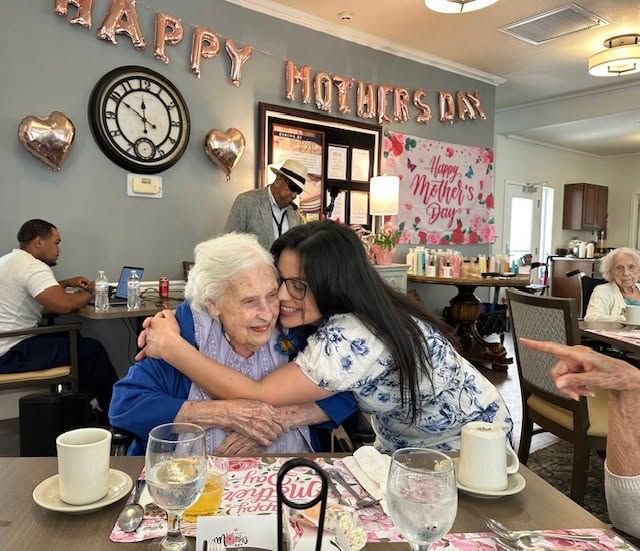
Talk to older adults before the move and you'll hear the same short list. Downsizing. Convenient services. A community setting. What almost nobody sees coming is how deeply the social and relational side of senior living rewires everyday life. Sure, the practical perks are real — nobody disputes that. But the emotional and human dimensions? Those are what blindside people. Understanding what actually catches new residents off guard can shift a family's entire outlook on this transition, turning dreaded inevitability into something worth anticipating.
The Social Connection Factor Exceeds Expectations
The friendships. That's what catches people off guard, consistently. Most older adults carry quiet fears about isolation — worrying they won't click with anyone, that real connection is simply behind them. Then they arrive. Turns out, living alongside peers who share generational touchstones and overlapping interests makes friendships almost inevitable. Bonds form fast. Residents describe them as rivaling relationships that took decades to build back in old neighborhoods — and that's not a small thing.
Shared dining rooms, book clubs, common lounges — these aren't just amenities. They're recurring circumstances that let friendships deepen naturally. Someone meets a neighbor at a Tuesday afternoon program. Next month? They're saving each other seats at dinner without thinking twice. These relationships deliver emotional grounding, intellectual spark, and a sense of belonging that most residents didn't expect to find so quickly — or so fully.
The Relief of Reduced Household Responsibilities
Here's what surprises people almost as much as the friendships: how good it feels to stop managing a house. Before the move, attention stays fixed on what gets left behind. Once settled, residents notice something else entirely. The plumber calls, the yard overgrows, the furnace acts up — except none of that is their problem anymore. Time opens up. Mental space clears. The relief runs deeper than predicted.
Small stressors do the real damage — scheduling repairs, tracking bills, watching gutters fill with leaves. Most people don't realize how much those frictions weigh on them until they're gone. Suddenly there's room for hobbies, longer conversations, afternoon walks that don't end with a mental to-do list. What felt like a trade-off becomes, for many residents, an unexpected gift.
The Community Support System Proves Invaluable
Professional support matters more in daily life than most people expect before they arrive. A question about medications. A minor safety concern. A maintenance issue at 9 p.m. Having knowledgeable staff within reach — not a phone tree, not a delayed callback — provides quiet reassurance that shapes every single day. Families navigating cognitive decline alongside this transition often find that personalized memory care in Sacramento delivers the kind of structured, relationship-centered environment where residents feel genuinely known and secure as they find their footing.
And the support isn't purely clinical. Staff remember how residents take their coffee. They notice when someone seems off. They ask follow-up questions. That consistency — being seen by the people around you — builds trust in ways many residents didn't think would matter as much as they do. Combined with genuine professional expertise, it creates a security that quietly underpins everything else.
The Opportunity for Genuine Autonomy and Choice
Some people brace for senior living to feel controlled. Scheduled. Hemmed in. What they find is often the opposite. Strip away the house, the yard, the obligations — and what's left is a day shaped almost entirely by personal preference. Spend the afternoon reading. Join three programs or zero. Eat early, sleep late, take the scenic route to the dining room. That freedom surprises people who expected structure to mean restriction.
The community handles the infrastructure. Residents keep the wheel. Some dive headfirst into every event on the calendar; others prefer quieter routines entirely on their own terms. Both work fine. That flexibility — the balance between available structure and real personal choice — turns out to be more generous than most newcomers imagined.
The Emotional Transition Proves Shorter Than Expected
Families often dread the aftermath more than the logistics. Will there be sadness? Regret? A prolonged grief over the old house? Sometimes, yes — adjustment periods are real. But residents regularly report that the emotional shift happens faster and more smoothly than anyone anticipated. When stress drops and friendships form and support is close at hand, settling in can happen with surprising speed.
What tips the scale is how the benefits stack on top of each other. New friends. Freed-up energy. Reliable help nearby. Each one builds on the last until genuine comfort takes hold — sometimes within weeks of arrival. That doesn't erase the weight of leaving a long-time home. It doesn't pretend the goodbye was easy. But the advantages accumulate fast enough that residents often find themselves, sooner than expected, genuinely excited about what comes next.
Conclusion
The biggest surprise almost never involves the logistics. Not the floor plan. Not the meal schedule or the parking situation. It's the human experience — friendships that form faster than expected, freedom that opens up when a house stops being a burden, staff who actually remember your name, autonomy that turns out to be more real than feared, and an emotional landing far softer than anticipated. For anyone weighing this decision, that reframe matters. The conversation doesn't have to center on what's being lost. The relational and emotional gains — the ones nobody saw coming — may end up being the whole point.
Author

DocIndia Editorial Team
Check cache DocIndia Editorial Team works with Doctors to create informative articles.
View profile