How to Stop Loose Motions with Effective Home Remedies?
On this page
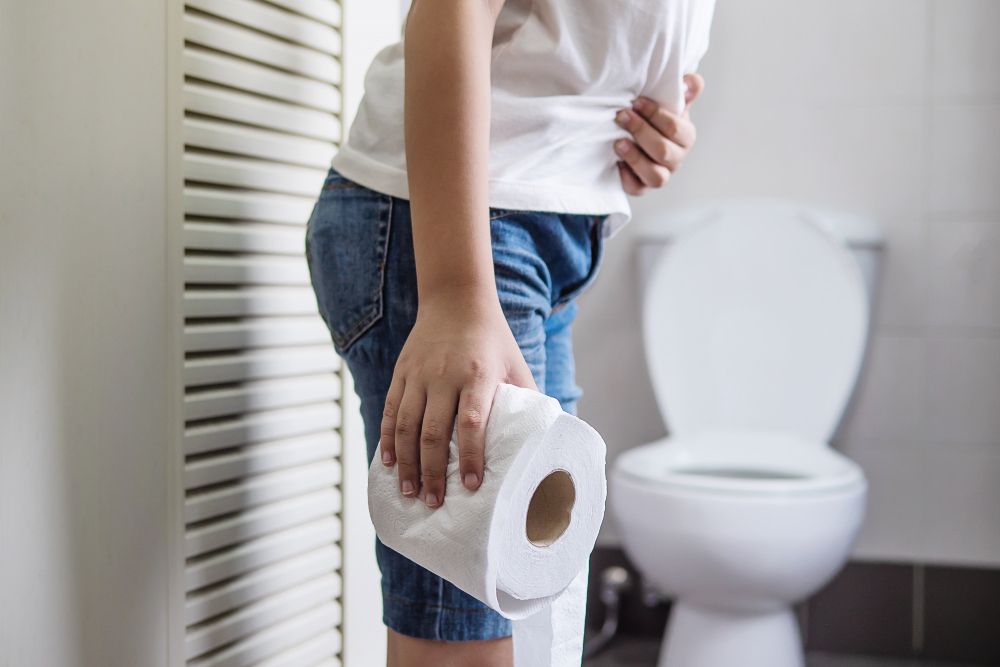
What are Loose Motions?
Loose motions, also called diarrhoea, are loose, watery stools usually caused by a virus or contaminated food. It can also be a sign of another disorder, such as bowel disease. You may feel stomach ache and have frequent watery stools. Generally, they cure themselves without medications, but some infections require antibiotics. It can also result in dehydration in severe cases.
Types of diarrhoea:
There are different types of diarrhoea which are categorised according to their severity.
1. Acute diarrhea: Acute diarrhoea lasts 2-3 days and can be treated on its own; it does not require any medication. It can happen due to food infection or a virus.
2. Persistent diarrhoea: Persistent diarrhoea lasts for weeks to a month. You can experience loose and wet stools for up to a month.
3. Chronic diarrhoea: Chronic diarrhoea is a very serious health issue; it lasts more than a month.
Common Causes of Loose Motions:
Usually, diarrhoea happens because of a virus in your gut. It is also called intestinal flu. Some foods and drinks that do not suit our bowel system can cause diarrhoea. It is because our intestine cannot properly digest it. Such foods include alcohol, spicy foods, and coffee sometimes.
Other causes of diarrhoea are:
1. Food poisoning
Food poisoning can be caused by the infections in the intestine due to viruses, bacteria, or parasites. These viruses cause inflammation in the stomach and intestines, resulting in loose stools. This comes under the acute diarrhoea condition, which lasts for a couple of days. These viruses can cause other symptoms as well, such as abdominal pain, nausea, and vomiting.
2. Crohn’s disease
Crohn’s disease occurs when the lining of the digestive system becomes inflamed. It causes diarrhoea, loose stools and other symptoms such as abdominal pain, appetite loss, weight loss and fatigue.
3. Cystic fibrosis
Cystic fibrosis is an inherited life-threatening disorder that damages the lungs and digestive system. It affects the cells that produce mucus, sweat and digestive juices. Symptoms include a persistent cough, shortness of breath, diarrhoea, inability to gain weight, chest infections, and fatty stools.
4. Irritable bowel syndrome
Irritable bowel syndrome is a serious condition that affects our digestive system. You can experience loose stools and diarrhoea with other symptoms such as abdominal pain, bloating, gas, constipation and indigestion.
5. Overactive thyroid
Overactive thyroid is caused by overproduction of a hormone by the thyroid gland. You may experience symptoms such as diarrhoea, weight loss, rapid or irregular heartbeat, sweating and irritability.
6. Celiac disease
Celiac disease is a chronic autoimmune disorder that is triggered by the consumption of gluten, a protein found in barley, wheat, and rye. It is a long-term disorder. It can damage the small intestine and can lead to many gastrointestinal symptoms, such as abdominal pain, indigestion, diarrhoea, weight loss, bloating, and fatigue.
7. Bile acid malabsorption
Bile acid malabsorption is a chronic condition. In this condition the body’s small intestine is not able to reabsorb bile acid properly and builds up these acids in the colon, which causes chronic diarrhoea. You may experience other symptoms such as trembling, mood instability, poor regulation of sleep, irritability, and swelling around the neck.
8. Chronic pancreatitis
Chronic pancreatitis is a long inflammatory condition of the pancreas that alters the organ’s normal structure and functions. You may experience symptoms like loose stools and diarrhoea, abdominal pain, nausea, and vomiting.
How to Treat Loose Motions at Home?
Proper hydration is crucial when someone has diarrhoea. Home remedies can also help you to get rid of diarrhoea.
Here are some effective home remedies and hydration tips:
1. Stay hydrated
Drinking plenty of fluid is important. It is recommended to drink enough fluid to prevent dehydration. You can take ORS.
2. BRAT diet
The BRAT diet means (Banana, Rice, Applesauce, Toast). Eating these foods can help manage diarrhoea. These foods are rich in fibre, which helps firm your stools.
3. Take probiotics
Taking probiotics such as yoghurt can help restore your gut health and help manage diarrhoea.
4. Avoid alcohol and caffeine
Taking alcohol makes you dehydrated, which should be avoided when you are suffering from diarrhoea. Drinks and foods such as coffee, soda, chocolate, and some teas contain caffeine that can make diarrhoea worse.
5. Avoid Trigger Foods
Foods such as beans and cabbage, which are gas-causing foods, should be avoided. Also avoid dairy products while you have diarrhoea. Spicy, or high-fibre, foods should also be avoided, as they worsen the diarrhoea.
Other remedies you can take:
• Ginger – this helps soothe an upset stomach, as it contains anti-diarrhoeal effects.
• Bananas – they are rich in potassium, which helps improve bowel movements.
• Fenugreek seeds – they help in managing pain and discomfort caused by diarrhoea.
• ORS – Oral Rehydration Solutions (ORS) help maintain dehydration.
• Hygiene – maintain proper hygiene to prevent the spread of infections.
When to Consult a Doctor?
If your diarrhoea lasts more than two days and becomes severe, then it's a sign to consult your healthcare provider. Other signs include:
- Dehydration: When you feel excessive thirst, dry mouth or skin.
- Abdominal pain: Severe pain in your belly that doesn't go away.
- Abnormal coloured stools- bloody stools
- Vomiting: When you feel persistent vomiting
- Diarrhoea: Persistent diarrhoea for more than 2 days
- Fever: Fever continues more than 24 hours
- Weight loss: When you feel significant weight loss
- Nausea: That prevents you from drinking liquids
Preventive Measures
There are everyday activities and steps you can take to prevent getting diarrhoea:
• The most important step you can take is to start practising good hygiene. Maintaining good hygiene prevents you from spreading viruses and bacteria. Use soap and water before eating and after using the bathroom. You can also use hand sanitiser.
• Get vaccinated, as they lower your odds of getting sick and protect you against some causes of diarrhoea.
• Only take fully cooked food, especially non-veg items. Avoid undercooked meats and unwashed fruits and vegetables.
• Avoid taking food from street vendors, as they do not practice proper hygiene.
• Drink clean water or purified water. Avoid tap water and untreated water, as they are also causes of diarrhoea.
• Taking care of environmental hygiene means the areas you use and live in, such as the toilet, living room and other surrounding areas.
Author

DocIndia Editorial Team
Check cache DocIndia Editorial Team works with Doctors to create informative articles.
View profile