Medical Equipment Loans: Costs for Small Clinics
On this page
- Evaluating the Financial Impact of Medical Equipment Loans
- 1. Interest Rates and Total Repayment Burden
- 2. Tax Advantages and Deductions
- 3. Benefits of Cash Flow Management
- 4. Loss of Equipment Value and Depreciation
- Risks, Alternatives, and Funding Options Beyond Medical Equipment Loans
- 1. Leasing: A Flexible Alternative
- 2. Grants and Government Funding
- 3. Vendor Financing Programs
- 4. Alternative Funding Options
- Final Thoughts
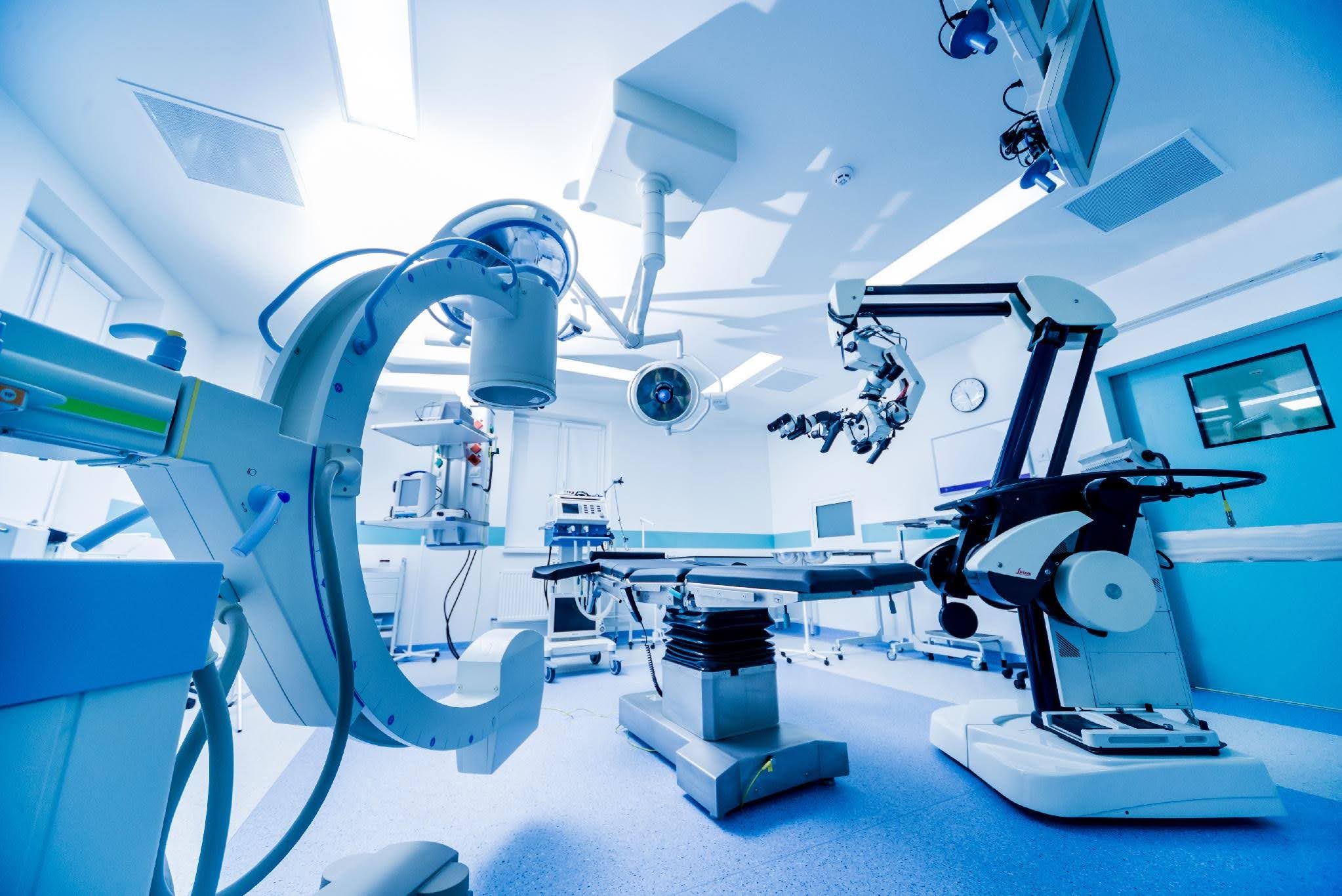
Many small healthcare organizations across America consider using medical equipment loans when they want to expand their existing services or develop additional service lines. With small healthcare organizations already running on very limited resources, healthcare practice owners must carefully weigh the risks of using medical equipment financing against the rewards that can be obtained by making this choice.
Evaluating the Financial Impact of Medical Equipment Loans
Often, health care providers find themselves in a difficult situation in trying to balance providing quality care to their patients versus trying to control their operating costs. One option that you might consider is obtaining financing through a medical equipment loan. However, before you enter into any commitment, it’s important for you to understand the various structures of how these programs are implemented from a financial standpoint.
1. Interest Rates and Total Repayment Burden
There are several considerations that will affect equipment loans’ interest rates: your credit rating, more specifically, the lender’s policy, and how long the loan is for. Small companies need to be aware of how much the extra charge for the interest from an equipment loan is going to be and compare this charge with the amount of revenue the practice will generate. Some providers of healthcare equipment might consider alternate forms of financing, such as medical device financing, as there are some different structures depending on who your vendor is and if the lender specializes in financing healthcare assets.
2. Tax Advantages and Deductions
Depending on how you plan to use the equipment and how you set it up, some equipment finance costs may qualify for tax deductions. However, tax incentives are only part of a complete financial plan for making an equipment purchase. For example, if a business uses medical equipment loaned to it for its practice, the type of asset will determine its ability to write off some of the depreciation of the equipment as a tax benefit under IRS guidelines.
3. Benefits of Cash Flow Management
Financing equipment for clinics can be a great opportunity to keep enough working capital to carry on daily functions, even with daily expenses. When thinking about your long-term budget and what you’ll be able to afford, think about the impact of making predictable monthly payments. If medical equipment loans are structured appropriately, cash flow is better by allowing you to spread large capital expenditures into smaller amounts, instead of an overwhelming capital expense all at once. Many of the healthcare equipment financing arrangements also include bundled services or equipment maintenance, which can give an improved level of predictability and fewer operational surprises.
4. Loss of Equipment Value and Depreciation
Medical equipment will continually lose value due to the pace of technological improvement. It has become easier to finance medical equipment, but clinics will have to consider how quickly they'll lose the value of the equipment that they’ll be financing. Clinics should consider their return on investment for equipment to be financed, especially for imaging and diagnostic technologies that lose value rapidly in the resale market and are often financed with medical equipment loans.
Risks, Alternatives, and Funding Options Beyond Medical Equipment Loans
To make informed decisions about funding options available to you and your practice, you need to research other alternatives available to you.
1. Leasing: A Flexible Alternative
By leasing your medical equipment, you get to use the equipment without having to actually pay for it immediately. You will not have to commit to purchasing your medical equipment long-term when you use leasing, and it may also provide additional maintenance services. Depending on how long you stay in a practice or use the equipment, this may be more expensive than purchasing the equipment.
2. Grants and Government Funding
Certain small practices may be able to obtain grants or funds from local, state, or federal agencies that are designated for healthcare-related funding purposes. These types of programs will help reduce your initial investment in the equipment. However, they typically require practitioners to meet strict eligibility criteria and have limitations on the use of these funds.
3. Vendor Financing Programs
Many medical equipment manufacturers have created in-house financing programs. Oftentimes, you will find that it is easier to qualify for financing through these programs as opposed to traditional bank loans. Financing through these vendors often includes bundled maintenance or options to upgrade your existing equipment.
4. Alternative Funding Options
Before making your final decision, compare medical equipment loans with all of the other available options prior to selecting which one to use. The amount of flexibility or ease of use will vary significantly between the various options.
Final Thoughts
To sum up, medical equipment loans have the potential to be worthwhile given sufficient patient demand and an obvious ability to increase cash flow. In the case of small practices, it is important to consider the balance between potential financial risk and operational benefits. If used appropriately, medical equipment loans can aid in increasing the size of a practice. However, if not used strategically, they can add to overall financial stress.