Hyaluronic Acid: Skin Care Solution and Health Benefits
On this page
- What is Hyaluronic Acid?
- Scientific Benefits of Hyaluronic Acid:
- 1. Hydrates Skin and keeps it healthy:
- 2. Helps in faster wound- healing:
- 3. Relieves joint pain:
- 4. Soothes acid reflux symptoms:
- 5. Relieves dry eyes and discomfort:
- 6. Preserves bone strength:
- 7. Helps preventing Bladder pain:
- Side Effects and Precautions to Be Taken Before Consuming Hyaluronic Acid
- Conclusion
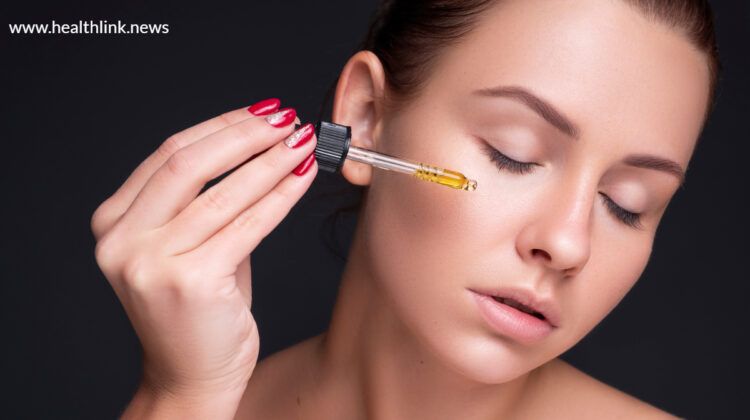
What is Hyaluronic Acid?
Hyaluronic acid is an anionic, nonsulfated glycosaminoglycan that is present within the connective, epithelial, and neural tissues. It is unique among glycosaminoglycans as it is non-sulfated, forms in the plasma membrane instead of the Golgi apparatus, and can be very large: human synovial HA averages about 7 million Da per molecule, or about 20,000 disaccharide monomers, while other sources mention 3–4 million Da. Hyaluronic acid is found in large amounts in your eyes, joints, and your skin. You must have read about this acid in the label of certain face washes, beauty products, or eye drops, and also helps keep your joints flexible. It can be consumed as a supplement or injections or can be used as topical serums.
Scientific Benefits of Hyaluronic Acid:
1. Hydrates Skin and keeps it healthy:
Hyaluronic acid is the best for skin because it helps to keep the skin tissues hydrated and thus makes it soft, fresh, and plump. If you want to get skin that is well-moisturized, use hyaluronic acid, as it has a lot of water content. Hyaluronic acid replenishes the trans-epidermal water loss from your skin and thus makes your skin look fresh and hydrated.
The majority of the hyaluronic acid content of your body is present in your skin, where it combines with water to help retain moisture (1Trusted Source).
2. Helps in faster wound- healing:
Hyaluronic acid is already present in our body and its effectiveness increases when there is a wound on the body. Besides hydrating the skin, it helps in faster recovery of cut portions by regulating inflammation levels and also helps increase the number of blood vessels in the wounded areas (2 Trusted Source).
Experiments have shown that, when hyaluronic acid is applied on wounded areas, they heal better and faster than applying placebo or with no treatment at all (3 Trusted Source).
Hyaluronic acid can be safely applied over wounded areas as it can help prevent infection from cut areas with its antibacterial properties. It is therefore also effective when used after any surgery, specifically tooth surgery, on mouth ulcers or gum problems (4 Trusted Source).
3. Relieves joint pain:
Hyaluronic acid has lubricating effects; the spaces in between the joints are well lubricated, such that the joints do not cause uncomfortable pain due to corrosion (5 Trusted Source).
For some people who suffer from osteoarthritis, a type of degenerative joint disease caused by wear and tear on the joints over time, hyaluronic acid is the best supplement to be used along with Calcium supplements, to prevent unnecessary grinding of joints.
Recent studies show that people with osteoarthritis, especially those between the ages of 40 to70 years old have significantly reduced knee pain when they started taking 80–200 mg daily for at least two months (6 Trusted Source).
An analysis of over 12,000 adults found only a modest reduction in pain and a greater risk of adverse effects when hyaluronic acid has been directly injected into knee joints for immediate relief.
Some research shows that pairing oral hyaluronic acid supplements with injections can help extend pain-relieving benefits and increase the amount of time between shots (7 Trusted Source).
4. Soothes acid reflux symptoms:
Hyaluronic acid supplements may help reduce symptoms of acid reflux.
Hyaluronic acid may help soothe the damaged lining of the esophagus, which gets damaged during acid reflux when the contents of the stomach are regurgitated up into the throat and speed up the recovery process.
It has been found that when a mixture of hyaluronic acid and chondroitin sulfate is applied to acid-damaged throat tissue, the composition worked much faster to heal the area than when no treatment was used (8 Trusted Source). When hyaluronic acid and chondroitin sulfate supplements are combinedly used along with an acid-reducing medication, reflux symptoms got reduced by more than 60%, than taking acid-reducing medication alone because this supplement was five times more effective at reducing acid reflux symptoms than a placebo (9 Trusted Source).
5. Relieves dry eyes and discomfort:
Due to reduced tear production or tears evaporating too quickly for heavy use of cell phones and electronic gadgets, almost 1 out of 7 older adults suffer from symptoms of dry eye (10 Trusted Source) and this disorder can be easily treated using hyaluronic acid with its excellent water retaining capacity, that help prevents eyes from losing moisture, keeping them wet every time.
Nowadays, most eye drops contain almost 0.2–0.4% hyaluronic acid that helps to reduce dry eye symptoms, retain eye wetness, increase tear production, and improve eye health (11 Trusted Source).
Hyaluronic acid is present in contact lenses and is also being developed as a possible treatment for dry eye conditions. Apart from hydrating eyes and treating dry eye symptoms, hyaluronic acid is mostly used in eye surgery as it helps in faster healing of surgery areas.
Hyaluronic acid can be applied directly applied into the eyes for treating dry eyes, but there is no available evidence of its effectiveness if consumed orally.
6. Preserves bone strength:
Recent studies reveal that hyaluronic acid helps maintain bone health and also causes bone development and bone growth.
Two studies have found that with osteopenia, the chances of bone loss and bone injuries have remarkably reduced in rats. Thus, it can be stated that hyaluronic acid prevents the beginning stage of bone loss that precedes osteoporosis and arthritis (12 Trusted Source).
Test-tube studies have also shown that hyaluronic acid if used on a high dose regularly, can increase the activity of osteoblasts, and therefore help build new bone tissue and cause bone growth (13 Trusted Source).
7. Helps preventing Bladder pain:
Interstitial cystitis or painful bladder syndrome (44Trusted Source) is a disorder, that causes abdominal pain and tenderness, along with a strong and frequent urge to urinate, and almost approximately 3–6% of women suffer from this condition each year. Though the possible causes of interstitial cystitis are unknown, hyaluronic acid has been found to help relieve the pain, reduce the urge to urinate and urinary frequency associated with this condition when inserted directly into the bladder through a catheter (14 Trusted Source).
Researchers hypothesize that it helps repair damage in the bladder tissue, making it less sensitive to pain, but it is unclear how hyaluronic acid helps relieve these symptoms (13 Trusted Source).
Side Effects and Precautions to Be Taken Before Consuming Hyaluronic Acid
Though safe to use, hyaluronic acid has certain side effects. It is naturally produced inside the body, so allergic reactions are very rare. One study in 60 people with osteoarthritis who took 200 mg daily for one year did not show any significant negative side effects (15 Trusted Source).
However, in pregnant or breastfeeding women, the effects of hyaluronic acid have not been thoroughly studied, so these groups should try to avoid supplementing with it or seek professional help before such use. Some studies evidently reveal that cancer cells are sensitive to hyaluronic acid and taking supplements could make them grow faster (16 Trusted Source). For this reason, it is generally advised that people with cancer or a history of cancer or with cancer in family members, must avoid supplementing with it. Hyaluronic acid injections directly into the skin or joints have a higher risk of side effects. However, negative reactions are mostly associated with the injection procedure, rather than hyaluronic acid itself.
Even a very low molecular weight of 5 kDa HA ( Hyaluronic Acid ) has the ability to penetrate the skin, and can potentially carry germs, bacteria, and so on, more deeply into the skin. HA does not cause allergic reactions on its own but if you are formulating your own HA serums, try to consult your doctor because you must know that not all hyaluronic acid is equal.
Though hyaluronic acid helps in hydration and has an excellent moisture-retaining capacity, this very process may have unintended side effects. There are some varieties of HA that are a bit controversial, increased levels of which are actually linked to inflammatory skin diseases like psoriasis.
One study found a contradictory effect, that application of HA actually slowed down the wound healing process, maybe due to its concentration and molecular weight.
Conclusion
Hyaluronic acid, with its extraordinary healing capacity, along with relieving joint pain, can be used for getting healthy, hydrated, and wrinkle-free skin. Like any other medication, it also has some adverse effects, so it is always advisable to use it with the suggestion of a medical practitioner.