How Do Check Blood Sugar Level?
On this page
What is blood sugar?
This is quite a common question that comes to our mind when we hear about the word blood sugar. Commonly blood sugar or Glucose is the main sugar that is found in your blood. You get it from the food you eat, and it is your body’s main source of energy. Your blood carries glucose to all your body’s cells, to use it for energy. There is a disease caused by irregular blood sugar levels and that is diabetes, in which your blood sugar levels are not stable.
When a person has diabetes, his or her body is not able to get the sugar from the blood into cells. That means that his or her body is not able to make enough insulin. Therefore, this problem results in high blood sugar or can be termed a high glucose level.
When we eat food, the whole digestion process starts to work in which, the food we eat first breaks down into the form of sugar and then this breakdown sugar gets released into the blood and then to each cell of the body and those cells can utilize it in the form of energy. The human body has an organ named the pancreas, it is a small organ in the abdomen, and it releases a hormone called insulin. The hormone insulin maintains the balance of the blood sugar level in the body. Insulin acts as a “connector” or “bridge” and allows sugar to go from the blood into the cell of the body. Therefore, when these cells use the sugar for energy, the blood sugar level of the person goes down.
When a person has diabetes, the chances are that either the pancreas is not able to produce the right amount of insulin, or the cells of the body are not able to utilize it in the right way. Sometimes both things are possible as well.
When can you check your blood sugar level?
Normally, when you have your food, your blood sugar level tends to get high. Then the pancreas releases insulin in the body to utilize it. Your cell and body absorb and utilize the required amount of glucose with the help of insulin and bring your glucose or blood sugar level back to normal. But if somebody has diabetes and when he consumes food his or her blood sugar level gets high, and being the patient of diabetes, the pancreas is unable to make the right amount of insulin in the body to counter it (this is the type 1 diabetes condition in which pancreas is unable to make the right amount of insulin whereas, in type 2 diabetes, the cells of the body are not able to utilize or absorb the glucose from the blood). Because of high blood sugar levels, your body might suffer from severe problems, it can damage your nerves, and blood vessels and it can also lead you to heart disease and other problems.
Therefore, if you have diabetes then you need to check your blood sugar level prominently. To get sure about your body’s glucose level. Moreover, you can consult your doctor about the best time to check your blood sugar or glucose level. Because it varies from person to person. In general, there is a certain period that is considered an ideal time to check your blood sugar level;
- After Fasting: After fasting (that means, not eating food for about 8 to 12 hours) is one of the prominent times which gives you the correct measure of your blood sugar level.
- Before Meal: Checking your blood sugar level before the meal can also give you insight into your blood sugar level.
- After the meal: You can check your blood sugar level after the meal as well, so you can cross-check your sugar level before having a meal and after having a meal. This will give you a more precise reading of your blood sugar level.
- Bedtime: it is advisable that if you have diabetes, you can go to bed after checking your blood sugar level. So, if your blood sugar level is high or if your blood sugar level is low you can take precautions accordingly.
You need to maintain a proper record for each time and always review your record with the consulting doctors.
How can you check your glucose or blood sugar level?
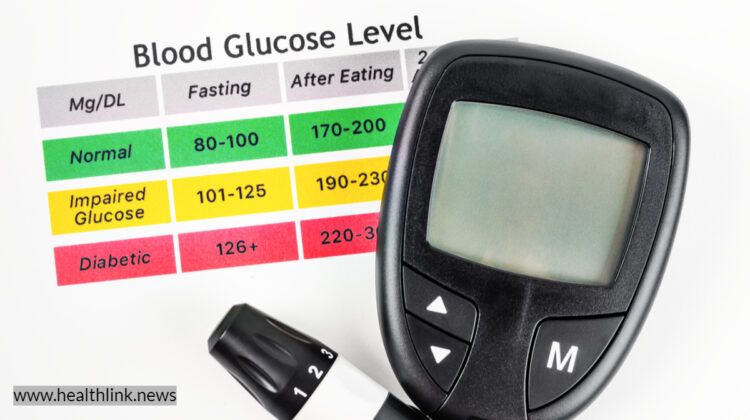
You can check your blood sugar level very easily. There is a device that you can use to keep track of your blood sugar level at your home. The device is named a blood glucose monitor or home blood sugar meter. The first step is just to use a lancet to prick the side tip of your finger to draw a drop of blood out of it. Put the drop of blood on the testing strip and insert the testing strip into the blood glucose monitor. Then the meter will show the readings in numeric values. Apart from this follow the instructions provided by the consulting doctors, and if they ask you to maintain a record of your reading then create a logbook. In this logbook, you can record each testing time, and the reading also must be jotted down. It also includes the condition, that is, whether the testing is done before eating or after eating. Sometimes in serious cases, it is mandatory to maintain a record and follow these tips;
- Always note down the relevance of the medication and dosage that your doctor prescribed to you. Sometimes the medications do not work as efficiently as they need to, therefore while maintaining a logbook of your readings, you can add an extra column of ‘with medications’ and ‘without medications.’ So, you can have a proper track of your sugar level.
- Another thing that you need to strictly follow is; what are you eating? When are you eating? or if you are fasting or not? Always remember these questions and then act accordingly.
- Apart from this, the amount of the workforce you are doing also plays a significant role. For example, if you are doing a heavy workforce, how intense is it? for how long are you doing it? And what kind of exercise is it? Keep track of these as well.
Recommended glucose or blood sugar level targets
The glucose level or blood sugar level is measured in milligrams per decilitre (mg/dL). Given below are recommended blood sugar level targets in different situations;
- Glycated hemoglobin (A1C) test – this test indicates average blood sugar level for the past 2 to 3 months and the general reading that can be observed are;
- Below 5.7% is normal.
- Between 5.7% to 6.4% are considered prediabetes.
- 6.5% are considered diabetes.
- Fasting blood sugar test – it is a test conducted after you have not eaten for at least 8 hours. The readings that can be observed are;
- Less than 100 mg/dL or (5.6 mmol/L) is normal
- 100 to 125 mg/dL or (5.6 to 6.9 mmol/L) is prediabetes
- 126 mg/dL or (7.0 mmol/L) is diabetes
- Oral glucose tolerance test – in this test you need to fast overnight and then drink a sugary liquid while testing your blood sugar at any lab testing site. The blood sugar levels get recorded for the next two hours. In general, if they show the readings such as;
- Less than 140 mg/dL or (7.8 mmol/L) is normal
- 140 to 199 mg/dL or (7.8 to 11.0 mmol/L) if consistent then it is prediabetes
- 200 mg/dL or (11.1 mmol/L) if higher after two hours suggests diabetes
Tips for treating prediabetes and diabetes
Prediabetes is a situation in which the sugar level is on the borderline of an individual and can be treated.
Follow these simple tips to treat prediabetes and diabetes:
- Eat healthy foods – healthy foods are important. They reduce the risk of prediabetes and diabetes.
- Be more active – physical activity helps to maintain a proper and required weight, hence, having a good session of exercise is important and it results in maintaining a good glucose level.
- Lose excess weight – if you are overweight you need to cut those extra pounds out of you. Because the category of obesity is not healthy and has become the reason for many deadly problems.
- Stop smoking – if you smoke then you need to stop smoking. Smoking reduces the working capacity of insulin.
- Take medications as needed – if your diabetes level is high and your doctor prescribed some medications then take those medications as needed.
You can follow these tips, moreover, always consult with your doctors, and then implement things according to their prescription.