Diabetes? Go Nuts May Lower Heart Risk
On this page
If you have diabetes risk factors or have high amounts of blood sugar in your urine, your doctor may believe you have the disease.
If you have type 1 diabetes, which causes your pancreas to produce little to no insulin, or if your body is not responding to insulin as it should, your blood sugar (also known as blood glucose) levels may be high (type 2 diabetes).
One of three tests is used to establish a diagnosis.
Your doctor will typically want a high-risk test to be repeated in order to confirm the diagnosis:
- A fasting glucose test measures the amounts of sugar in your blood before breakfast.
- If your level is 126 mg/dL or greater, you might have diabetes.
- An oral glucose tolerance test (OGTT) comprises consuming a glucose-containing beverage, followed by blood glucose measurements every 30 to 60 minutes for a maximum of three hours.
You may have diabetes if your blood glucose level is 200 mg/dL or above after two hours.
- The A1c test is a quick blood test that provides an average blood sugar reading for the previous two to three months.
If your A1c is 6.5% or higher, you might have diabetes.
- A test for zinc transporter 8 autoantibodies (ZnT8Ab) may also be advised by your doctor.
This blood test, coupled with additional data and test outcomes, can assist in determining whether a person has type 1 diabetes or any other type.
A quick and reliable diagnosis that can result in timely therapy is the aim of the ZnT8Ab test.
Diabetes: nutrition and meal timing
- Working with your doctor or dietitian to create a meal plan is important if you have diabetes since it’s important to eat a balanced diet.
- If you have type 1 diabetes, your activity level and dietary intake will dictate when to take your insulin dose.
- What you eat is essential, but so is when and how much you eat.
- Typically, doctors advise patients to eat three small meals and three to four snacks each day to keep blood sugar and insulin levels in check
Your diet should contain a balanced amount of carbohydrates, proteins, and fats to help you maintain appropriate blood sugar levels.
The quantity of each will vary depending on a variety of elements, such as your weight and personal tastes.
Controlling your intake of carbs is essential for maintaining stable blood sugar levels.
A low-carb, low-fat, low-calorie, or Mediterranean diet may help you reach your ideal weight if you are overweight.
Saturated fat should make up no more than 7% of your diet, and trans fats should be avoided at all costs.
Attempt to have non-starchy vegetables, such as:
- Asparagus
- salad greens
- broccoli
- carrots
- cucumbers
- Squash
- Tomato
Likewise, be sure to purchase some of these:
- Beans
- Berries
- tangerine fruits
- fatty meat
- dairy products with reduced or no fat
- Nuts
- Chicken or fish
- The sweet potato
Additionally, vegetarian foods like tofu offer protein. Eat whole-grain foods only.
If you consume cereal, be sure whole grain is listed first in the ingredient list.
Whole grains include, for instance:
- Bulgur brown rice (cracked wheat)
- Millets
- Popcorn
- Whole oats
- Oatmeal
- Quinoa
- Sorghum and whole wheat
Food that has been less processed is generally superior.
Due to its lower glycemic index, it might not have as much of an impact on your blood sugar levels.
For instance, quick oatmeal has a higher glycemic index than oatmeal made from whole oats. You may be able to lose weight and improve your type 2 diabetes if you have the condition and maintain a good diet and exercise schedule.
According to one study, long-term weight loss through diet and exercise may reduce your risk of dementia or stroke.
Consume nuts to lower your heart disease risk if you have diabetes
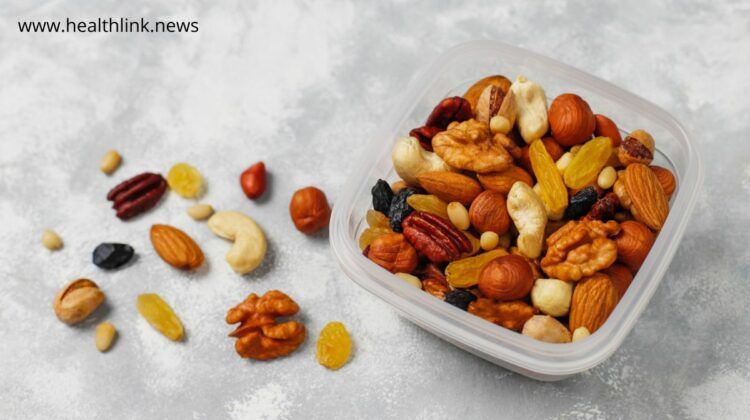
According to recent research, patients with type 2 diabetes who consume nearly daily servings of nuts may have a lower chance of developing cardiovascular disease.
The research, which was released online on February 19 by Circulation Research, was based on food questionnaires completed by more than 16,000 individuals both before and after they received a type 2 diabetes diagnosis, a condition that increases the risk of heart disease.
Over the course of several years, researchers questioned them about their nut-eating behaviors. Compared to people who ate less than one serving per week, individuals who consumed five servings of nuts per week had a 17% lower risk of cardiovascular disease. The study found that tree nuts, such as walnuts, almonds, and pistachios, appeared to have the greatest health advantages.
Although technically legumes rather than nuts, peanuts weren’t quite as healthful. Even if you don’t have diabetes, consuming a modest handful of unsalted nuts on a regular basis will probably be beneficial for your heart even though this study can’t show cause and effect.
Nuts, which are rich in unsaturated fat, fiber, and minerals, can lower cholesterol, blood pressure, and blood sugar levels.
The study found that tree nuts, such as walnuts, almonds, and pistachios, appeared to have the greatest health advantages.
Although technically legumes rather than nuts, peanuts weren’t quite as healthful.
Even if you don’t have diabetes, consuming a modest handful of unsalted nuts on a regular basis will probably be beneficial for your heart even though this study can’t show cause and effect.
Eat healthier breakfasts:
Is your regular breakfast something quick and packed with processed meat, refined (not whole) carbohydrates, saturated fat, and added sugar?
Regular use of that type of food may increase blood sugar, cholesterol, weight, and other risk factors for heart disease.
Pick breakfast items that are high in fiber instead, a form of carbohydrate that either goes through the body undigested (insoluble fiber) or breaks down into a gel (soluble fiber) that coats the gut.
In addition to aiding in digestion, fiber regulates blood sugar and lowers the risk of diabetes, which is closely connected with heart attacks and strokes, traps, mop-up, and lowers bad [LDL] cholesterol that can contribute to clogged arteries, and may help combat chronic inflammation, which plays a role in clogging your arteries and causing heart attacks.
Fiber-rich foods include fruits, nuts, seeds, whole grains (including quinoa, barley, and oats), and many others.
Consider these fiber-rich breakfast suggestions:
- oats heated in the microwave for two minutes with nearly a cup of low-fat milk.
- a portion of cooked quinoa with berries, granola, and nonfat Greek yogurt, served cold if you have it in the fridge.
- milk and whole grain cereal (go for cereals with the highest amounts of whole grains and lowest amounts of added sugars)
- a piece of toast made with whole grains and 2 tablespoons of nut butter (like almond or peanut butter)
- a handful or two of homemade trail mix (use your favorite unsalted nuts, sunflower seeds, and dried fruit such as raisins or apricots).