Causes of Poor Sexual Health- Docindia.org
On this page
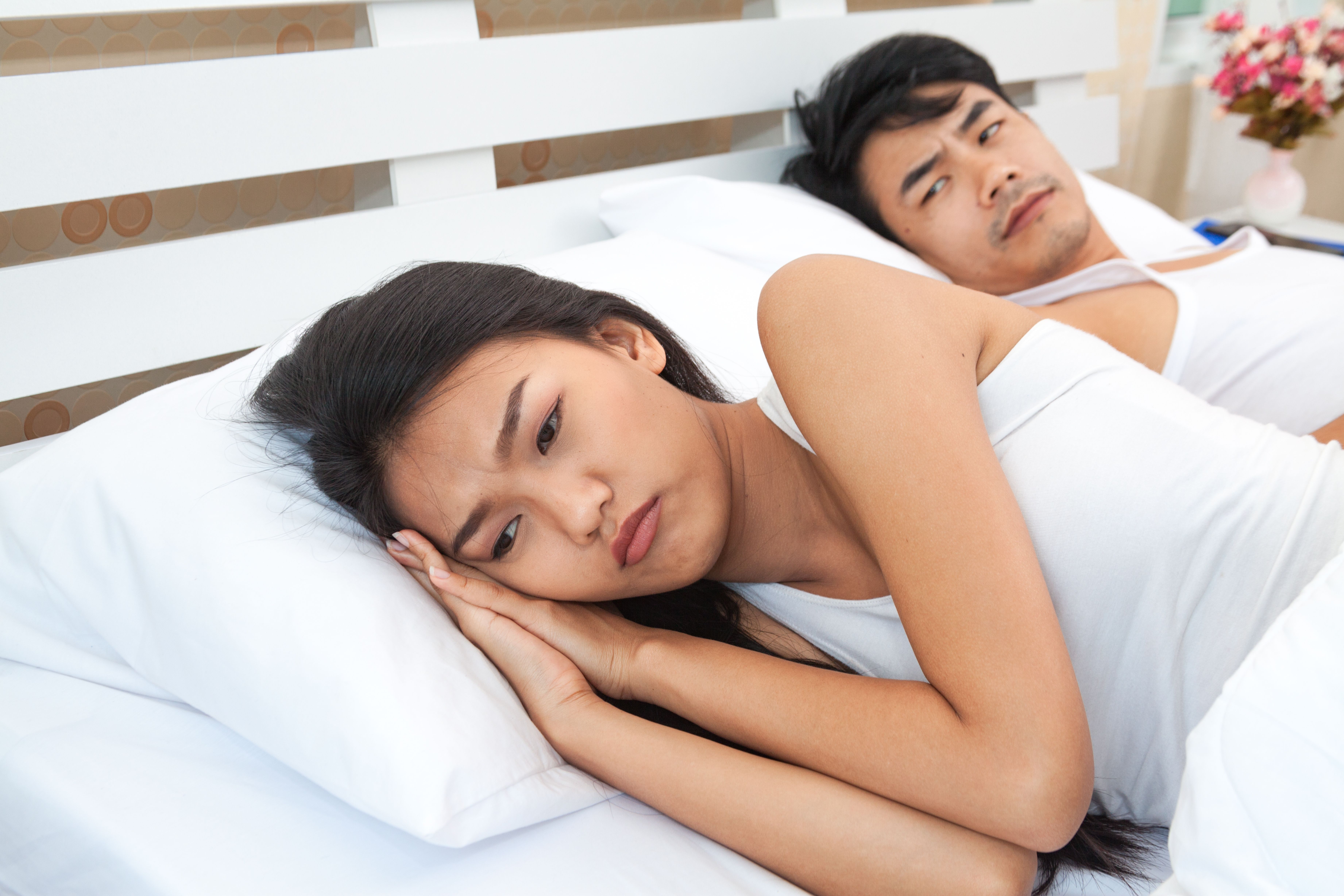
Sexual health is an important part of overall physical and emotional well-being. It includes sexual desire, physical performance, emotional comfort, reproductive health, and healthy relationships. Poor sexual health can affect both men and women and may lead to stress, low confidence, relationship problems, and reduced quality of life.
Many factors can influence sexual health, including lifestyle habits, mental health, hormones, medical conditions, and emotional well-being. Sometimes, people may ignore early signs of poor sexual health due to embarrassment or lack of awareness. Understanding the common causes can help in identifying the problem early and taking proper steps to improve overall well-being.
What Does Poor Sexual Health Mean?
Poor sexual health refers to problems related to sexual desire, performance, comfort, satisfaction, or reproductive health. It can affect physical, emotional, and relationship health.
In men, poor sexual health may appear as:
• Low libido
• Erection problems
• Low stamina during intimacy
In women, it may include:
• Reduced sexual desire
• Pain during intimacy
• Difficulty becoming aroused
Poor sexual health can happen occasionally, but if the symptoms continue for a long time, they may need medical attention.
Common Causes of Poor Sexual Health
There are many physical, emotional, hormonal, and lifestyle-related reasons that may affect sexual health.
1. Stress and Mental Health Problems
Mental health plays a major role in sexual well-being. Stress can reduce both emotional and physical interest in intimacy.
Common causes include:
• Anxiety
• Depression
• Work-related stress
• Relationship stress
Stress may affect hormone levels, mood, and emotional connection, leading to reduced sexual interest or satisfaction.
2. Hormonal Imbalance
Hormones are important for maintaining sexual desire and reproductive health.
• In men, low testosterone may cause reduced libido, fatigue, and low stamina.
• In women, hormonal changes during menopause, pregnancy, or menstrual changes may affect desire and comfort.
Hormonal imbalance can also affect mood and energy levels.
3. Unhealthy Lifestyle Habits
Daily habits strongly influence sexual health.
Common unhealthy habits include:
• Smoking
• Excess alcohol consumption
• Lack of physical activity
• Poor eating habits
These habits can affect blood circulation, energy levels, and hormone balance.
4. Poor Sleep and Fatigue
Sleep is important for hormone production and overall body recovery.
Lack of proper sleep may lead to:
• Low energy
• Reduced sexual desire
• Mood changes
Constant tiredness can reduce interest and stamina during intimacy.
5. Medical Conditions
Certain health problems can affect sexual health in both men and women.
Examples include:
• Diabetes
• Heart disease
• High blood pressure
• Thyroid disorders
• Obesity
These conditions may affect blood flow, nerve function, and hormone levels.
6. Relationship Problems
Healthy emotional connection is important for sexual well-being.
Relationship issues may include:
• Lack of communication
• Emotional distance
• Frequent conflicts
Women are often more emotionally affected by relationship problems, while men may experience performance-related stress.
7. Medications
Some medicines may reduce sexual desire or affect performance.
Examples include:
• Antidepressants
• Blood pressure medications
• Hormonal medicines
If symptoms begin after starting a medicine, medical advice may help.
8. Lack of Physical Fitness
Poor physical fitness may reduce stamina, blood circulation, and overall energy.
Men and women who are physically inactive may experience:
• Low endurance
• Fatigue
• Reduced confidence
Regular exercise supports both physical and sexual health.
9. Sexual Health Infections or Conditions
Certain infections or untreated medical conditions may affect sexual health.
Examples include:
• Sexually transmitted infections (STIs)
• Vaginal infections
• Prostate-related problems
These conditions may cause discomfort, pain, or reduced interest in intimacy.
10. Low Self-Confidence and Body Image Issues
Feeling insecure about body image or appearance can affect intimacy and sexual comfort.
This may lead to:
• Avoiding intimacy
• Reduced confidence
• Emotional discomfort during sexual activity
Mental and emotional comfort are important parts of healthy sexual relationships.
How Lifestyle Affects Sexual Health
Healthy lifestyle habits can improve sexual well-being naturally.
Helpful habits include:
• Balanced diet
• Regular exercise
• Proper sleep
• Stress management
• Avoiding smoking and excessive alcohol
These habits support better energy, hormone balance, and emotional health.
When Should You Consult a Doctor?
You should seek medical advice if:
• Sexual health problems continue for a long time
• You experience pain or discomfort during intimacy
• Low libido or performance issues affect relationships
• You feel constantly tired or emotionally stressed
• You have existing medical conditions
A healthcare professional can identify the underlying cause and suggest suitable treatment or lifestyle changes.
You can also consult a healthcare professional through the DocIndia platform for proper guidance.
Final Thoughts
Poor sexual health can affect both men and women and may happen due to stress, hormonal imbalance, unhealthy lifestyle habits, medical conditions, or emotional issues. In many cases, sexual health can improve with better sleep, healthy eating, exercise, and open communication.
However, if the problem continues or becomes severe, it is important to seek professional help. Understanding the cause is the first step toward improving sexual well-being, confidence, and overall quality of life.
Also check: Common Problems in Married Life Intimacy-Docindia.org
Author

Surbhi Singhal
Surbhi is dedicated and self-motivated Ph.D. scholar passionate about Content Creation, Editing, and Teaching. I excel in dynamic environments, thrive on challenges, and am eager to contribute my expertise and enthusiasm in pushing the boundaries of knowledge.
View profile