Cashless Vs. Reimbursement Health Insurance Claims: Which One is Better?
On this page
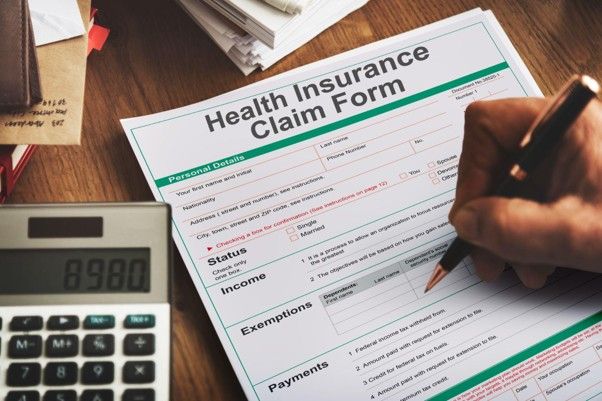
Cashless is better for most people because the insurer pays the network hospital directly, while reimbursement is better when you want to use any hospital you choose. Both are valid health insurance claims, so the right one depends on the hospital and how much cash you have ready.
How Does Cashless Health Insurance Pay the Hospital?
With cashless health insurance, the insurer pays the network hospital directly, so you spend nothing up front. You show your policy at a network hospital; the hospital sends the insurer a pre-approval request, and treatment proceeds once it is cleared. At discharge, you pay only the items your policy does not cover.
For planned treatment, approval is usually sought a couple of days in advance. In an emergency, the hospital can start care and seek approval within a day.
How Does Reimbursement Health Insurance Refund You?
With reimbursement health insurance, you pay the hospital first, and the insurer refunds you later. You settle the full bill at discharge, then send the insurer the bills, reports, and discharge summary. After the insurer checks the claim, it pays the covered amount back to you.
For example, suppose you are treated at a hospital outside your insurer's network. You clear the bill yourself and claim the money back over the next few weeks.
What is the Difference in Health Insurance Claims?
The main difference in health insurance claims is who pays the hospital first: you or the insurer. Cashless keeps money in your pocket, but it works only at network hospitals. Reimbursement lets you pick any hospital, but asks you to pay upfront and wait.

Both end up settling the same covered amount. The choice is about convenience and where you are treated.
When is Cashless Health Insurance the Faster Choice?
Cashless health insurance is the faster choice for a planned hospital stay at a network hospital. There is no large bill to arrange and no weeks of waiting for a refund, which matters most in an emergency. The insurer and hospital settle it between themselves while you focus on recovery.
If your preferred hospital is not in the network, health insurance still pays through reimbursement instead. So, cashless is faster, but reimbursement keeps your hospital options open.
Why Does a Health Insurance Claim Get Rejected?
A health insurance claim, cashless or reimbursement, can be rejected for a few common reasons. The common ones are a condition still in its waiting period, a treatment the policy excludes, or missing paperwork. Honestly declaring your health when you buy the policy prevents most rejected claims.
If you are managing cover for your parents, a health insurance for parents plan follows the same claim rules. Keeping every bill and report makes either claim type smoother.
Frequently Asked Questions
1. Which is better, cashless or reimbursement?
Cashless suits most people because the insurer pays the network hospital directly, and you spend nothing upfront. Reimbursement is better when your chosen hospital is out-of-network. Both pay the same covered amount, so it comes down to convenience and hospital choice.
2. Can you use cashless at any hospital?
No. Cashless works only at hospitals in your insurer network. At any other hospital you pay the bill yourself and claim it back through reimbursement, so it helps to know which nearby hospitals are in your network.
3. Which claim is settled faster?
Cashless is faster. It is usually cleared within hours to a day, while a reimbursement refund can take a few weeks after you submit the documents. For emergencies, cashless removes the stress of arranging a large payment.
4. Can a cashless claim become a reimbursement claim?
Yes. If cashless approval is refused or the hospital is out of network, you can pay the bill and file a reimbursement claim instead. Keep all the original bills and reports so the switch is smooth.
5. Why do health insurance claims get rejected?
Common reasons are a waiting period that has not ended, a treatment the policy excludes, undisclosed health details, or missing documents. Buying honestly and keeping your paperwork in order avoids most rejected claims.
Key Takeaways
● Cashless means the insurer pays the network hospital, so you spend nothing up front.
● Reimbursement means you pay first and claim the amount back at any hospital.
● Cashless is faster; reimbursement is more flexible on hospital choice.
● Honest disclosure and full paperwork keep either claim type from being rejected.
Author

DocIndia Editorial Team
Check cache DocIndia Editorial Team works with Doctors to create informative articles.
View profile