Beans and Legumes – Types and Health Benefit
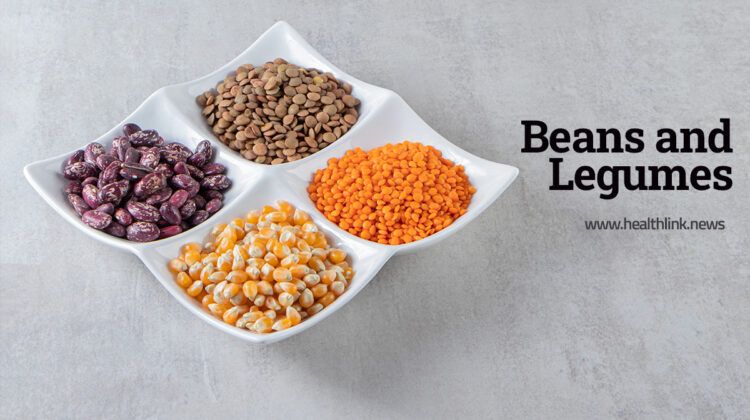
Beans and legumes are extremely healthy for us. Beans are a nutritional powerhouse packed with protein, fiber, vitamin B, iron, potassium, and are low in fat. They provide more fiber than any other vegetable. Beans and legumes are the fruits, or we can say seeds of a family of plants called Fabaceae. They are also a great replacement for meat as a source of vegetarian protein.
Types of Beans and Legumes
There are many types of beans and legumes that have their own methods of consumption and benefits. Some of the most popular varieties include:
- Chickpeas
Chickpeas, also known as garbanzo beans, are a good source of plant-based proteins and totally work for people like me who do not eat non-vegetarian food. Chickpeas are nutrient-dense; they are rich in antioxidants, fiber, magnesium, iron, and vitamins A, E, and C. They are especially beneficial to those who are looking to reduce weight. The reason for this is that because of their high protein and fiber content—chickpeas make you feel full, thereby eliminating the need to binge on unhealthy junk food that contributes to weight gain. In addition to this, chickpeas are also helpful for those with constipation and other digestive-relation problems. They also help reduce the risk of heart diseases, cancer as well as keep the blood sugar levels in control. Moreover, they might also improve bone, skin, and hair health. In short, they are good for your health.
- Lentils
Lentils are highly nutritious. They contain the third-highest amount of protein of any legume, listed only below soybeans and hemp. It has high protein content. Lentils, as with many legumes, are also high in iron, fiber, and folate. A study found that people who consume lentils and legumes in large amounts had the lowest rates of diabetes. Lentils are also beneficial for gut health as it improves bowel functions and helps in good digestion. Sprouted lentils can also aid in heart health as it reduces “bad” LDL cholesterol and increases “good” HDL cholesterol.
- Peas
Peas are legumes that are further classified into different types. One cup (160 grams) of cooked peas contains roughly these amounts of nutrients:
- Calories: 125
- Protein: 8.2 grams
- Fiber: 8.8 grams
- Folate (vitamin B9): 24% of the RDI
- Manganese: 22% of the RDI
- Vitamin K: 48% of the RDI
- Thiamine (vitamin B1): 30% of the RDI
Peas are rich in protein and fiber. If a person is overweight and has high cholesterol, eats peas flour instead of wheat flour for 28 days, it seems that it reduces Belly fat and insulin resistance. The fiber in peas also improves gut health and it also produces healthy bacteria which produce short-chain fatty acids and promote gut health.
- Kidney Beans
Kidney Beans have numerous health benefits, and they are mostly eaten with rice.
One cup (256 grams) of cooked kidney beans contains:
- Calories: 215
- Protein: 13.4 grams
- Fiber: 13.6 grams
- Folate (vitamin B9): 23% of the RDI
- Manganese: 22% of the RDI
- Thiamine (vitamin B1): 20% of the RDI
- Copper: 17% of the RDI
- Iron: 17% of the RDI
It is the richest source of fiber, therefore it slows down the absorption of sugar into the blood and helps in maintaining blood sugar levels. White kidney beans are known to reduce fat mass and weight.
- Black Beans
Black beans are rich in fiber, protein, and folate. It is a staple food in central and South America. One cup (172 grams) of cooked black beans contains roughly:
- Calories: 227
- Protein: 15.2 grams
- Fiber: 15 grams
- Folate (vitamin B9): 64% of the RDI
- Manganese: 38% of the RDI
- Magnesium: 30% of the RDI
- Thiamine (vitamin B1): 28% of the RDI
- Iron: 20% of the RDI
Black beans reduce blood sugar, diabetes, and weight gain. Black beans have a lower glycemic index as compared to other high-carbohydrate foods which help to reduce blood sugar. It is more beneficial if eaten with rice rather than eating alone.
- Soybeans
Soybeansareeaten in Asia with n different ways. They have so many health benefits.
One cup (172 grams) of cooked soybeans contains roughly:
- Calories: 298
- Protein: 28.6 grams
- Fiber: 10.3 grams
- Manganese: 71% of the RDI
- Iron: 49% of the RDI
- Phosphorus: 42% of the RDI
- Vitamin K: 41% of the RDI
- Riboflavin (vitamin B2): 29% of the RDI
- Folate (vitamin B9): 23% of the RDI
Soybeans also contain a high number of antioxidants called isoflavones, which are helpful in reduces the risk of cancer. It is found that consuming soybeans in large amounts minimizes the risk of stomach and gastrointestinal cancers. They are very healthy for women as they lower the risk of breast cancer and soy isoflavones are phytoestrogens, which minimizes the effect of estrogen in females’ bodies, which seems to decline during menopause. Protein and phytoestrogens in soybeans also help in reducing factors contributing to heart disease, which includes blood pressure and blood cholesterol.
- Pinto Beans
They’re commonly found in Mexico. One cup (171 grams) of cooked pinto beans contains roughly:
- Calories: 245
- Protein: 15.4 grams
- Fiber: 15.4 grams
- Folate (vitamin B9): 74% of the RDI
- Manganese: 39% of the RDI
- Copper: 29% of the RDI
- Thiamine (vitamin B1): 22% of the RDI
Pinto beans help in controlling blood cholesterol. It is found that eating pinto beans for eight days reduces both total cholesterol and “bad” LDL cholesterol in the blood. It also produces propionate which is good for gut health. Pinto beans also help in reducing blood sugar.
- Navy Beans
They are also called haricot beans and they are a good source of fiber, vitamin B, and minerals.
One cup (182 grams) of cooked navy beans contains roughly:
- Calories: 255
- Protein: 15.0 grams
- Fiber: 19.1 grams
- Folate (vitamin B9): 64% of the RDI
- Manganese: 48% of the RDI
- Thiamine (vitamin B1): 29% of the RDI
- Magnesium: 24% of the RDI
- Iron: 24% of the RDI
Due to their high fiber content, Navy Beans are helpful in reducing symptoms of metabolic syndrome. It is also found that if children with abnormal cholesterol consume navy beans for four weeks their healthy HDL cholesterol increases in the blood. They are also effective for weight loss, maintaining level of blood sugar and blood pressure.
- Peanuts
You may wonder that peanuts, which are considered as a nut, are legumes. Peanuts are rich in monounsaturated fats, polyunsaturated fats, protein, and vitamins B. One half-cup (73 grams) of peanuts contains roughly:
- Calories: 427
- Protein: 17.3 grams
- Fiber: 5.9 grams
- Saturated fat: 5 grams
- Manganese: 76% of the RDI
- Niacin: 50% of the RDI
- Magnesium: 32% of the RDI
- Folate (vitamin B9): 27% of the RDI
- Vitamin E: 25% of the RDI
- Thiamine (vitamin B1): 22% of the RDI
As peanut has a high content of monounsaturated fats, it is very beneficial. It minimizes the risk of death from different causes which may include heart disease, stroke, cancer, and diabetes. It is interesting to know that peanut butter doesn’t have any such benefits. It is found that the consumption of peanuts is very effective for blood cholesterol as it helps to lower total cholesterol and “bad” LDL cholesterol.
Health Benefits of Beans and Legumes
Beans and legumes have a number of health benefits, including reducing cholesterol, decreasing blood sugar levels, and increasing healthy gut bacteria. Some of the benefits are:
- Beans – a powerful antioxidant
Beans have a high content of polyphenols, which are a type of antioxidant. It is found that beans are able to neutralize free radicals, which helps in protecting the body from diseases.
- Beans support weight loss
Even if you ingest some calories from eating beans, however, you are only adding little bulk to your body overall, so you will still lose weight.
In addition, beans not only keep you slim, but they also provide large amounts of fiber and potassium, while at the same time being low in fat and carbohydrates. Plus, beans are a good source of protein that will help in maintaining your ideal weight.
- Beans for high cholesterol
If you have high cholesterol, you can consume half a cup of beans daily to help lower your cholesterol. If you are otherwise healthy, this daily serving of beans will help lower your cholesterol levels.
- Beans can prevent heart disease
Studies have shown that people who eat more legumes have a lower risk of heart disease, and the phytochemicals found in beans might be partially to thank since they protect against it.
- Beans can fight cancer
Beans contain a wide range of cancer-fighting plant chemicals, specifically, isoflavones and phytosterols which are associated with reduced cancer risk.
- Beans can lower cholesterol
Beans provide the body with soluble fiber, which plays an important role in controlling blood cholesterol levels. Studies find that about 10 grams of soluble fiber a day—the amount in ½ to 1 ½ cups of navy beans—reduces LDL cholesterol by about 10 percent. Beans also contain saponins and phytosterols, which help in lowering cholesterol.
- Beans can help manage diabetes
Beans are a diabetes sufferer’s superfood! The balance of complex carbohydrates and protein provides a slow, steady source of glucose instead of the sudden surge that can occur after eating simple carbohydrates.
Beans and legumes are considered the most underrated food with a bulk of benefits. They are a great source of protein, fiber, vitamins, and minerals. They are very effective in reducing blood sugar, improving cholesterol, and maintaining gut health. Beans and legumes must be included in a regular diet instead of meat for fulfilling the purpose of protein, as they’re environment friendly.