7 Swift Steps to Serenity and Stress Reduction
On this page
- 7 Quick Tips to Reduce Stress and Stay Relaxed
- 1. Practice Mindfulness and Meditation
- 2. Engage in Regular Physical Activity
- 3. Establish Healthy Sleep Habits
- 4. Practice Deep Breathing and Relaxation Techniques
- 5. Manage Time Effectively
- 6. Cultivate Healthy Coping Strategies
- 7. Practice Gratitude and Positive Thinking
7 Quick Tips to Reduce Stress and Stay Relaxed
Reducing stress and maintaining a relaxed state of mind is crucial for our overall well-being. In today’s fast-paced world, stress seems to be an inevitable part of life. However, there are numerous strategies and techniques that can help alleviate stress and promote relaxation. Here are seven quick tips that can assist in reducing stress and fostering a more relaxed state of being.
1. Practice Mindfulness and Meditation
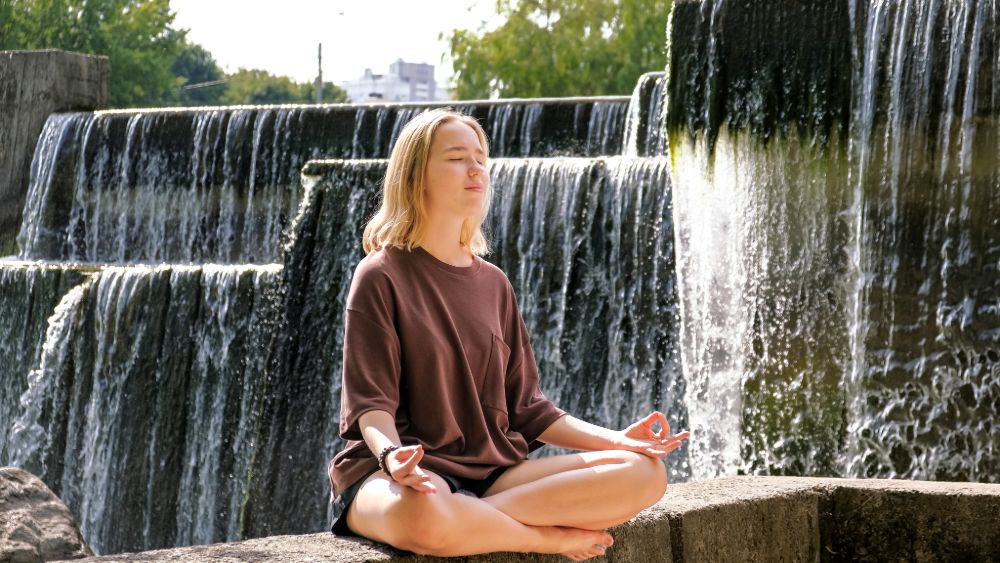
Mindfulness and meditation are powerful tools for reducing stress and promoting relaxation. Mindfulness involves being fully present and aware of your thoughts, feelings, and sensations without judgment. It helps in redirecting your focus away from stressful thoughts and brings attention to the present moment.
Meditation, on the other hand, involves various techniques aimed at calming the mind and achieving a state of relaxation. Regular practice of mindfulness and meditation has been linked to reduced stress levels, improved emotional well-being, and enhanced focus.
2. Engage in Regular Physical Activity
Exercise is not only beneficial for physical health but also plays a significant role in managing stress. Physical activity triggers the release of endorphins, often referred to as "feel-good" hormones, which can boost mood and reduce stress levels. Whether it’s a brisk walk, yoga, cycling, or any form of exercise that you enjoy, regular physical activity can significantly contribute to stress reduction and relaxation.
3. Establish Healthy Sleep Habits
Adequate sleep is essential for our overall health and well-being. Lack of sleep can exacerbate stress and make it more challenging to manage. Establishing a consistent sleep schedule, creating a calming bedtime routine, and ensuring a comfortable sleep environment are crucial steps in promoting better sleep quality. Prioritizing sleep can positively impact stress levels and contribute to a more relaxed state of mind.
4. Practice Deep Breathing and Relaxation Techniques
Deep breathing exercises and relaxation techniques can quickly calm the body’s stress response. Techniques like diaphragmatic breathing, progressive muscle relaxation, or guided imagery can help relax the mind and body, reducing tension and stress. These methods are easy to learn and can be practiced almost anywhere, making them convenient tools for managing stress in daily life.
5. Manage Time Effectively
Proper time management can significantly reduce stress levels. Feeling overwhelmed by a multitude of tasks and deadlines can lead to increased stress. Organizing tasks, setting priorities, and breaking larger tasks into smaller, manageable steps can help in managing time more effectively. Additionally, learning to say no when necessary and delegating tasks can prevent feelings of being overloaded, contributing to a more relaxed mindset.
6. Cultivate Healthy Coping Strategies
Life is filled with challenges, and having effective coping strategies can help in managing stress more efficiently. Engaging in activities that bring joy, such as hobbies, spending time in nature, listening to music, or socializing with loved ones, can serve as healthy outlets for stress. Developing a support network and seeking help when needed are essential aspects of coping with stress effectively.
7. Practice Gratitude and Positive Thinking
Adopting a positive outlook on life and practicing gratitude can significantly impact stress levels. Focusing on the positive aspects of life, keeping a gratitude journal, and acknowledging small accomplishments can shift the mindset from stress and worry to appreciation and contentment. Engaging in positive self-talk and reframing negative thoughts can also contribute to a more relaxed and optimistic state of mind.
Incorporating these tips into daily life can aid in reducing stress and promoting relaxation. While stress may be an inevitable part of life, how we respond to it and the strategies we employ to manage it can make a substantial difference in our overall well-being. Experimenting with these tips and finding what works best for individual needs and preferences is key to effectively managing stress and fostering a relaxed state of mind.