Calories in Makki ki Roti and Nutritional Information
On this page
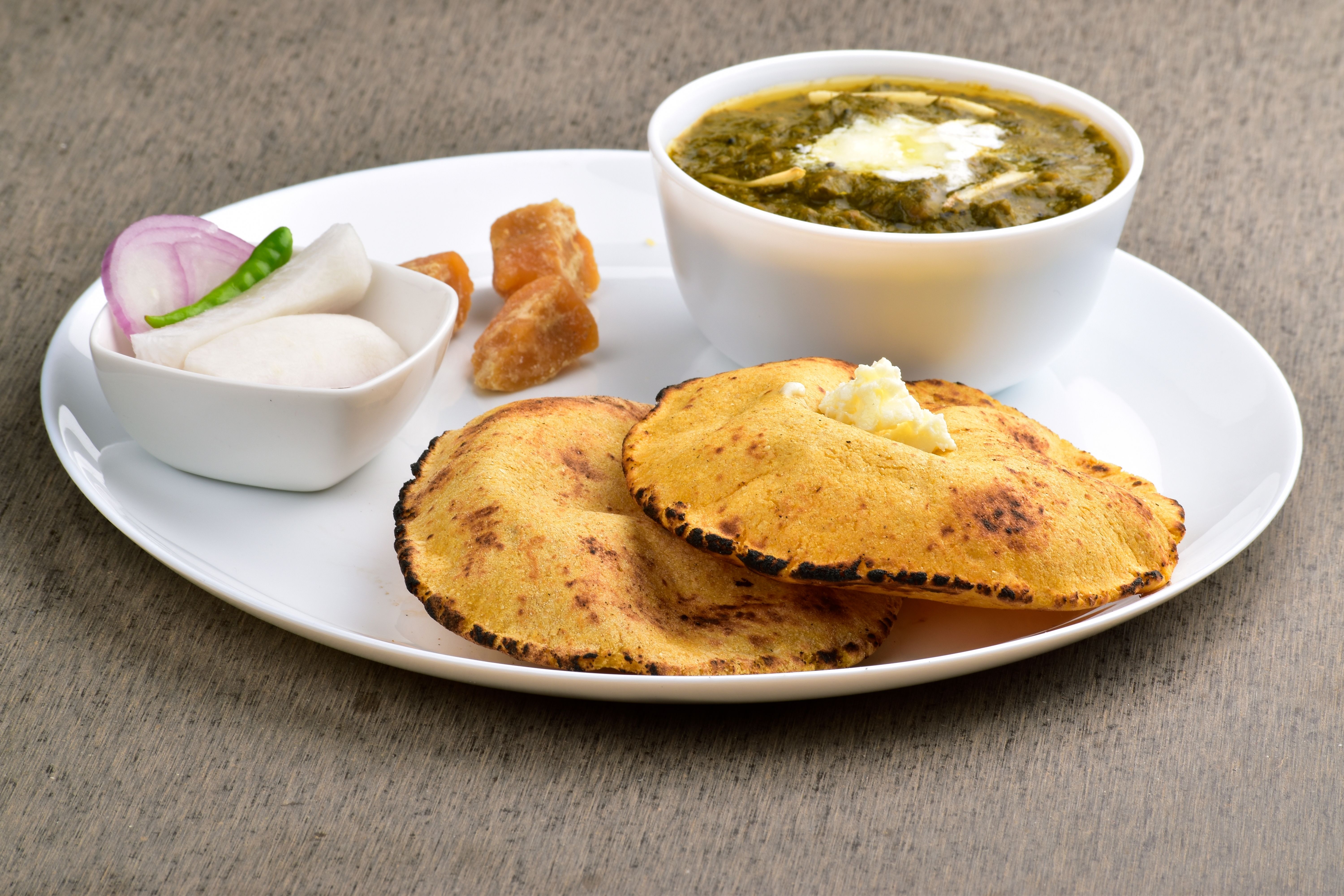
Makki ki roti is a type of roti that is quite popular with side dishes such as sarso saag in major parts of Punjab and North India. This article will help you to get a detailed account of some of the major types of nutritional components that are present in makki ki roti, its calorie content, the possible types of health benefits that you may get from this roti, and other details.
Calorie content in makki ki roti:
Makki ki roti or rotis made of maize flour will contain slightly higher amounts of calories, compared to rotis made of wheat flour. The net number of calories that is present in makki ki roti is likely to depend on certain aspects, such as:
The portion size of each roti
The way the roti is cooked
What are you consuming the roti with
Amounts of ghee, oil, or butter are added to the roti.
On average, each roti made of maize flour at home, weighing around 50 to 60 grams, can provide approximately 120 to 150 calories.
The calorie content can significantly increase to 160 to 250 calories when you add ghee or oil while making the rotis.
Key Nutrients in Makki Ki Roti
Makki ki roti is rich in several essential nutritional components, some of which can be listed here as follows:
1. Carbohydrates and dietary fibre:
Being made from maize flour, makki ki roti is rich in high amounts of complex carbohydrates and moderate quantities of dietary fibre, which help to provide you with enough energy and help support digestion. While the carbs can break down to provide energy, dietary fibre can:
Improve bowel movements
Reduce constipation
Promote a feeling of fullness.
2. Protein:
Another macronutrient found in makki ki roti includes protein, but this is smaller in amount. Each roti may contain around 2 to 3 grams of protein.
3. Vitamins:
Apart from being rich in macro-nutrients, makki ki roti can also contain some of the major micro-nutrients like vitamins. It is a major source of vitamins such as vitamin B-complex, available in the form of
Thiamine (vitamin B1) – for better metabolism and energy production.
Niacin (vitamin B3) – keeps your skin healthy and regulates nerves.
Folate (vitamin B9 or folic acid) – helps in better cell growth and repair, and is essential in pregnancy.
4. Minerals:
Makki ki roti can also contain some vital minerals, such as:
Magnesium, which is vital for the better health of muscles and nerves.
Phosphorus – helps in improving heart and bone health.
Iron – helps in oxygen transport in the blood for improving haemoglobin and the health of red blood cells, and thus prevents the risks of anaemia.
Zinc – helps in boosting immune system.
Health benefits of makki ki roti:
Since maize flour is rich in so many nutritional components, here is a list of health benefits that you may enjoy after having makki ki roti:
1. Makki ki roti is free from gluten
2. It helps you to stay full for a longer duration
3. The carb content helps in releasing energy
4. It can help to improve digestion
5. Keeps your heart healthy.
Which doctor to consult before having makki ki roti?
Considering the nutritional components in makki ki roti, it is quite beneficial for your health. But it may not be good for everyone, so it is important to know if you can have this kind of roti at all or not. Thus, you need to consult a registered dietitian or nutrition expert to seek advice regarding whether you should be consuming makki ki roti in your diet at all, what portion size of such a roti is good for your health, how much you can have each day, and other necessary details.
Final thoughts:
Makki ki roti will remain a favourite choice of roti in many parts of India, apart from Punjab. A flat-bread made of makki is rich in some of the most vital nutrients, such as carbohydrates, protein, vitamins and minerals, which can help to provide some health benefits, such as keeping you full, providing energy, boosting metabolism and digestion, keeping your heart healthy, and thus ensuring your overall wellness. But to avoid the risks of side effects, it is always advisable to seek expert opinion before having makki ki roti.
Also Check: Calories in Urad Dal: Nutritional Information, HEALTH BENEFITS
Authors

Bidiptaa Sen
MA in Mass Media and Communication, Jadavpur University With 3.5+ years of experience in writing marketing and SEO content on healthcare and wellness, I write articles that help people to get an idea regarding medicines that are prescribed, how to improve their wellness care and educate people how to choose accurate health facilities. My communication skills, depth of knowledge in media management and strategic methods for better social media engagement and improving readers' experience through extensive research on the healthcare scenario.
View profile
Surbhi Singhal
Surbhi is dedicated and self-motivated Ph.D. scholar passionate about Content Creation, Editing, and Teaching. I excel in dynamic environments, thrive on challenges, and am eager to contribute my expertise and enthusiasm in pushing the boundaries of knowledge.
View profile