Calories in Urad Dal: Nutritional Information, HEALTH BENEFITS
On this page
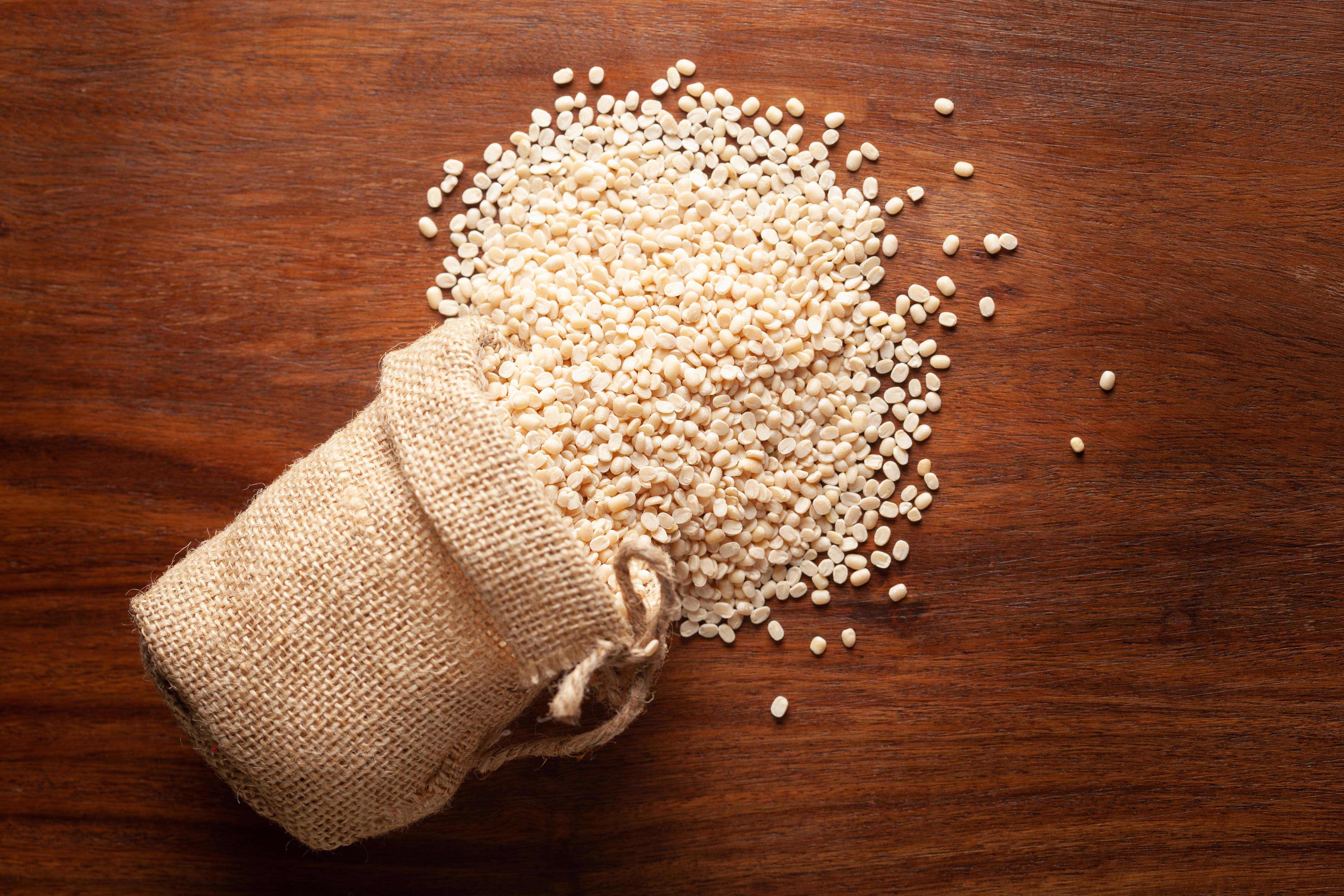
Any nutrition expert will advise you to consume dal, because dal or pulses are rich in nutrients, especially protein, which is beneficial for your health. Urad dal is also a similar type of dal that you must include in your balanced diet. Also known as black gram, urad dal is one of the most consumed pulses in any Indian household. This article will be a detailed guide regarding the calorie content in urad dal, the nutrients present in it, the health benefits that the nutrients may provide, and other details.
Calorie content in urad dal:
The calorie content in urad dal usually varies based on whether the dal is raw or cooked. Here is the calorie difference between raw and cooked urad dal:
One bowl containing raw urad dal weighing around 100 to 120 grams can contain 340 to 360 calories.
On the other hand, one bowl of cooked urad dal of a similar portion size (that is, 100 grams) will contain 110 to 130 calories.
The calorie content in urad dal can increase to around 220 to 250 kcal if the serving size of cooked dal increases to 200 grams (or a standard-sized bowl).
Nutritional components in urad dal:
Being a form of pulses, urad dal is rich in high amounts of nutrients that can help you with various health benefits. Some of the major nutrients in urad dal include the following:
1. Protein:
Just like any other type of dal, urad dal is also rich in protein, especially plant-based sources of protein. In fact, each 100-gram serving of urad dal may contain around 24 to 26 grams of protein, which makes it a common choice among vegetarians and vegans.
2. Carbohydrates and dietary fibre:
Urad dal contains quite a large amount of carbohydrates and dietary fibre, which not only helps you to get enough energy, but will also allow you to:
develop a healthy digestive system
improve your bowel movement
better gut health.
Per 100 gram serving of raw urad dal can have around 55 to 60 grams of carbohydrates, whereas the dietary fibre content may occupy around.
3. Fats:
The fat content in urad dal is quite low, yet you can get around 1 to 2 grams of fat per 100 grams of raw urad dal. But urad dal is healthy to consume because it mostly consists of healthy unsaturated fats.
4. Vitamins and Minerals:
Apart from being rich in macro-nutrients, urad dal, like many other types of dal, can contain various types of micro-nutrients, such as vitamins and minerals, as follows:
Vitamin B9: Vitamin B9 is present in urad dal in the form of folate or folic acid, which is vital for the health and development of the fetus and improves cell growth.
Magnesium: Magnesium urad dal is vital for the health of your heart and muscles.
Potassium: Potassium is a major element present in urad dal to regulate your blood pressure levels and keep your heart healthy.
Health benefits of having urad dal:
Here is a list of some of the most common health benefits that you may enjoy after having urad dal:
1. Muscle growth and repair: Urad dal is rich in protein content, which can aid in the overall repair of muscle cells and support muscle growth.
2. Boosts energy: Carbs in urad dal are responsible for increasing energy.
3. Improves digestion: The nutrients in this dal can help you to digest easily and have regular bowel movements.
Which doctor to consult before having urad dal?
Urad dal is more or less safe, and like most other types of pulses, it is quite a healthy choice for most people. But it is always advisable to consult an expert before adding urad dal to your diet. It is vital to consult a registered dietitian or nutrition expert to seek advice regarding whether they should be consuming this dal at all, how much urad dal is good for your health and other details.
Final thoughts:
Urad dal is one of the most cooked dals in Indian kitchens to pair with dishes such as idlis, dosas, dal makhani, and papad. In fact, it is rich in nutrients such as carbohydrates, fibre, protein, vitamins, and minerals, which can make it a part of a healthy and balanced diet. The nutrients in urad dal can help to support digestion, provide sustained energy, improve bowel movements, and thus keep you healthy.
Also Check: How many Calories in Wheat Roti - Nutritional Information
Authors

Bidiptaa Sen
MA in Mass Media and Communication, Jadavpur University With 3.5+ years of experience in writing marketing and SEO content on healthcare and wellness, I write articles that help people to get an idea regarding medicines that are prescribed, how to improve their wellness care and educate people how to choose accurate health facilities. My communication skills, depth of knowledge in media management and strategic methods for better social media engagement and improving readers' experience through extensive research on the healthcare scenario.
View profile
Surbhi Singhal
Surbhi is dedicated and self-motivated Ph.D. scholar passionate about Content Creation, Editing, and Teaching. I excel in dynamic environments, thrive on challenges, and am eager to contribute my expertise and enthusiasm in pushing the boundaries of knowledge.
View profile