How many Calories in Wheat Roti - Nutritional Information
On this page
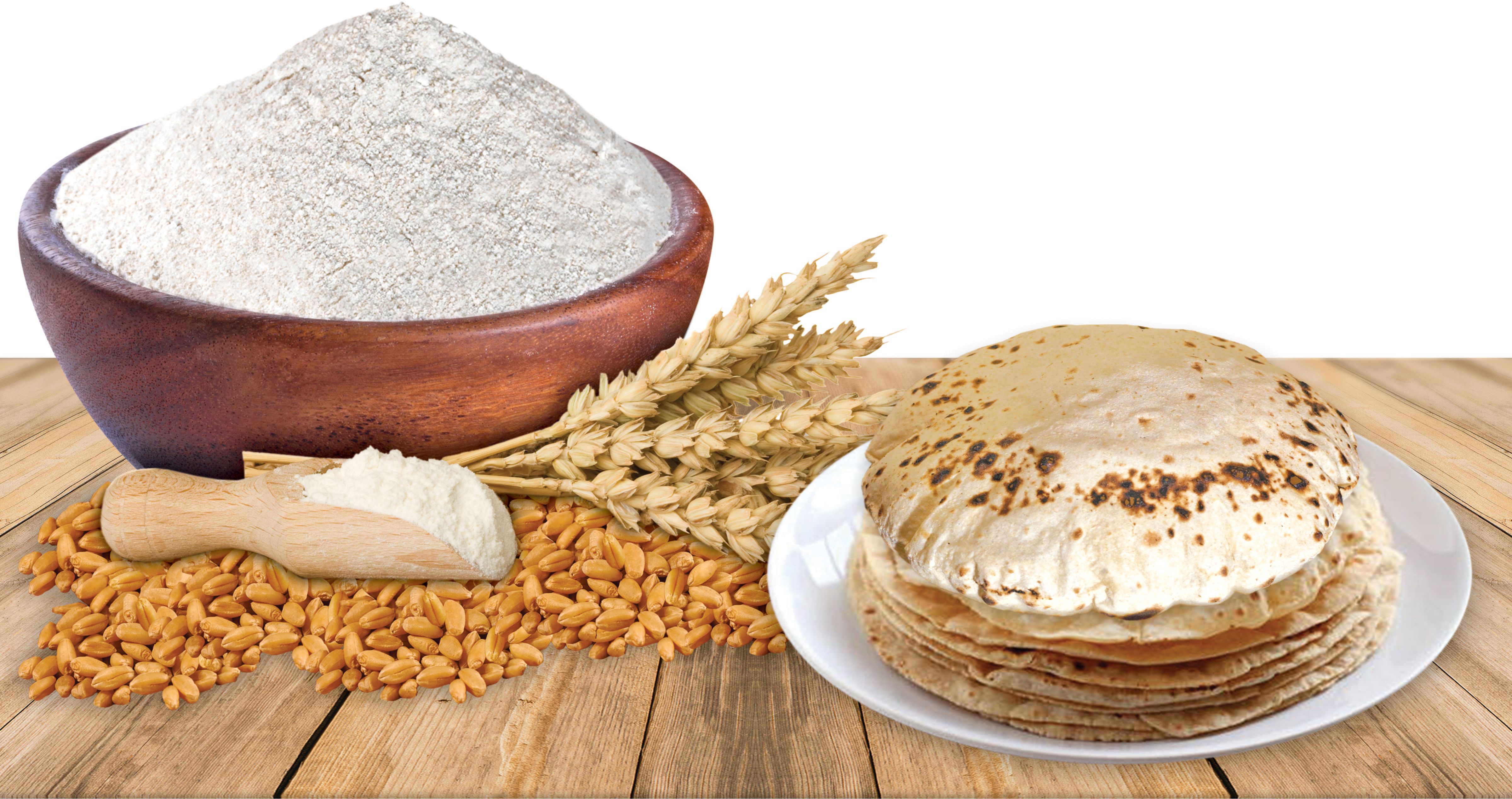
Rotis made of wheat are among the most-consumed food items in any Indian household. Rich in fibre, these rotis help promote satiety, aid in weight management, and provide several health benefits. This article will help you to get a detailed idea of the calorie content in wheat rotis, the nutrients that are present in them, the health benefits that you can derive from rotis made of wheat, and other necessary information.
Calorie content in wheat rotis:
The number of calories that is present in wheat rotis will often depend on the way the roti is made, the portion size, the size and the thickness of the roti, and so on. On average, if you are consuming a medium-sized wheat roti that is made with around 30 to 35 grams of atta or wheat flour, then you are likely to take in approximately 70 to 80calories approximately. Most of the calories in rotis made of wheat come from the complex carbohydrates and fibre present in them.
Nutritional profile of wheat rotis:
Rotis made of wheat are not filled with nutrients, yet there are certain nutritional elements that are quite healthy and beneficial for your overall health and functioning. Some of the major nutrients that are found in wheat roti may include the following:
1. Carbohydrates:
Being made of wheat, these rotis are filled with complex carbs. In fact, each roti made of wheat flour can contain around 15 to 18 grams of carbohydrates. It helps to provide satiety, and thus you will stay fuller for a longer period.
2. Dietary fibre:
Another major macronutrient that is present in wheat roti is dietary fibre. Each wheat roti can contain around 2 to 3 grams of dietary fibre. This fibre content aids in better digestion, helps to reduce the risks of constipation by keeping you regular, and thus results in better gut health.
3. Protein:
Wheat rotis can contain very small quantities of plant-based protein. For instance, each roti made of wheat can contain around 3 to 4 grams of protein. This natural protein is beneficial for better health, only when combined with other sources of protein as well.
4. Minerals:
Apart from macro-nutrients, wheat rotis are also rich in certain types of minerals such as iron, which aids in better production of haemoglobin, carrying oxygen to the blood, magnesium for supporting proper muscle function, nerve health, and energy metabolism, zinc for boosting immune strength and balancing hormonal secretion, and phosphorus that is vital for cell repair and improving your bone strength.
5. Vitamins:
There are certain small quantities of vitamins that are present in rotis made of wheat, such as the vitamin B complex. Wheat rotis consist of vitamins B1, B3, and B6, along with folic acid or folate, which helps in improving the functions of the brain, overall metabolism of the body, and formation of red blood cells or RBC.
List of health benefits from wheat roti:
The vitamins, minerals, fibre, carbs, and other nutrients in wheat rotis help to provide you with several health benefits. Some of the most important types of wheat rotis can be listed here as follows:
1. Digestion: The fibre in rotis can help to improve digestion by keeping you regular and preventing constipation.
2. Insulin resistance: Unlike refined flour, wheat flour is ideal for diabetic patients, as it can reduce spikes in blood glucose levels.
3. Heart health: Wheat rotis can keep your heart healthy by preventing high cholesterol.
Which doctor to consult before having wheat roti?
Wheat roti is more or less healthy to have as a part of your balanced diet. But if you wish to add wheat roti to your daily diet, you need to know whether you can have wheat rotis at all. So, you need to consult a registered dietitian or a nutrition expert who will be able to tell you how many wheat rotis you can have each day based on your calorie requirements, how you can make the rotis, who should consume wheat rotis in limited amounts, and other necessary details.
Final Thoughts:
Rotis made of wheat are not only a wholesome and healthy meal, it is also one of the most popular food items in many Indian kitchens. These rotis are rich in high amounts of carbohydrates and dietary fibre and low in calories. They are also rich in some of the major nutrients like vitamins and minerals that can help to keep your bowel movement healthy, aid in insulin resistance, reduce digestive problems, and so on.
Also Check : Calories in Sprouts - Nutritional Information & Healthy Benefits
Also Check: Calories in Moong Dal Chilla and Nutritional Information
Also Check: Calories in Ghee and Nutritional Information & Benefits
Authors

Bidiptaa Sen
MA in Mass Media and Communication, Jadavpur University With 3.5+ years of experience in writing marketing and SEO content on healthcare and wellness, I write articles that help people to get an idea regarding medicines that are prescribed, how to improve their wellness care and educate people how to choose accurate health facilities. My communication skills, depth of knowledge in media management and strategic methods for better social media engagement and improving readers' experience through extensive research on the healthcare scenario.
View profile
Yashodhwara Singh
I completed my BTEC in Aeronautics from Acharya Institute, Bengaluru, and my schooling from Aligarh Muslim University. I have completed multiple internships, including at HAL. With prior experience in technical writing, I currently work part-time as a medical content writer at DocIndia.
View profile