Peanut Oil: Is There Any Health Benefit?
On this page
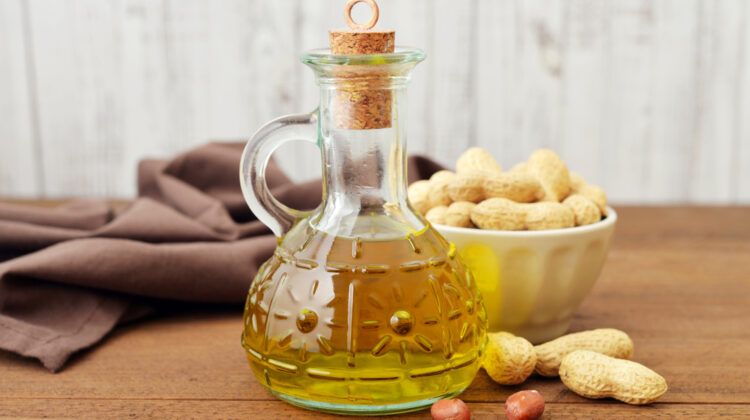
Peanut oil is made from the seeds of peanut plants and is widely used in baking, fried foods, and other forms of cooking. Peanut oil has a slightly nutty flavor but is generally a good choice for most recipes. It has a high smoke duration (about 450 ° F) and can endure high temperatures without burns. Peanut oil is an excellent source of vitamin E, which has many protecting effects against chronic diseases.
With its healthy fat content, this means that if peanut oil is in moderate intake, it can be a great supplement to your diet.
Peanut oil is a vegetable oil derived from the succulent seeds of peanut plants. Peanuts bloom above ground, but in fact, peanuts grow underground. Peanuts are often arranged with walnuts and almonds, but they are a legume family of peas and beans.
Peanut oil can have a variety of flavors, from moderate and sweet to strong and nutty, depending on the processing method.
Nutrition Information Peanut Oil 1 serving (1 cup) contains:
- Calories: 119
- Fat: 14 grams
- Saturated fat: 2 grams
- Protein, Fiber, Sugar: 0 grams
Peanut oil also contains nutrients. For Example Vitamin E, Mono-unsaturated fat, polyunsaturated fat, Plant sterol, and Omega 6 fatty acid.
There are several types of peanut oil. Each is made using a different technique:
- Polished Peanut Oil: This oil is refined, bleached, deodorized, and removes allergic parts of it, and is usually safe for people with peanut allergies. They are widely used in restaurants to fry foods such as chicken and French fries.
- Cold Pressed Peanut Oil: This method grinds peanuts and extrudes the oil. This low heat process retains more of the flavor and nutrients of natural peanuts than refinement.
- Gastronome Peanut Oil: This type of specialty oil is unrefined and is usually roasted, so it is deeper and has a stronger flavor than refined oils. It is used to add a rich nutty flavor to dishes such as stir fry.
- Peanut Oil Blend: Peanut oil tastes similar but is often mixed with cheaper soybean oil. This type is cheaper for consumers and is usually sold in bulk for fried foods.
Peanut oil’s fatty acid breakdown is 20% saturated fat, 50% monounsaturated fat (MUFA), and 30% polyunsaturated fat (PUFA).
The main types of monounsaturated fats in peanut oil are oleic acid or omega 9. It also contains a large amount of linoleic acid, a variety of omega-6 fatty acids, and a small amount of palmitic acid, a saturated fat. The high amount of omega-6 fatty acids in peanut oil may not be a good thing. These fats tend to cause infection and are associated with a variety of health issues. This oil contains significant monounsaturated fatty acids, making it a suitable vehicle for deep-fried foods and other hot cooking methods. However, it includes many polyunsaturated fatty acids, which are not stable at high temperatures.
On the other hand, peanut oil is an excellent source of vitamin E. It is an antioxidant with many health benefits, including protecting the body from free radical damage and reducing the risk of heart disease. (1)
Inherent Benefits of Peanut Oil
It is an excellent source of vitamin E and associated with several health benefits, such as diminishing some risk factors for heart disease and lowering blood sugar levels in people with diabetes.
Peanut Oil is Rich in Vitamin E Only one tablespoon of Peanut Oil contains 11% of the suggested daily allowance for Vitamin E. Vitamin E is the name of a group of fat-soluble compounds that have many essential functions in the body.
Vitamin E’s primary role is to act as an antioxidant and protect the body from toxic elements called free radicals. Free radicals can damage cells if there are too many cells in the body. They are associated with chronic illnesses such as heart disease and cancer. (2)
In addition, Vitamin E helps strengthen the immune system, which protects the body from bacteria and viruses.
It is essential for red blood cell formation, cell signaling, and the prevention of blood clots. This important antioxidant may reduce the risk of heart disease, certain cancers, and torrents and even prevent age-related mental decline. (3)
An analysis of eight studies of 15,021 people Found a 17% reduction in age risk associated cataracts in people with the highest dietary intake of vitamin E compared to those with the lowest.
Peanut oil may reduce the risk of heart disease
Peanut oil is high in monounsaturated (MUFA) and polyunsaturated (PUFA) fats, both of which have been extensively studied for their role in reducing heart disease.
There is ample evidence that eating unsaturated fats can reduce certain risk factors associated with heart disease. (4)
For example, high levels of LDL cholesterol and triglycerides in the blood are associated with an increased risk of heart disease.
Several types of research have shown that replacing saturated fats with MUFAs or PUFAs can lower LDL cholesterol and triglycerides. According to an extensive review by the American Heart Association, reducing saturated fat consumption and increasing monounsaturated and polyunsaturated fat intake can reduce the risk of heart disease by up to 30%.
However, these goods were only observed when monounsaturated and polyunsaturated fats were used instead of saturated fats. It is unclear whether adding these fats to the diet without altering the rest of the diet will positively affect heart health. (5)
In addition, it should be noted that other extensive studies have shown that reducing saturated fats or replacing them with these other fats has little or no effect on the risk of heart disease. For example, a recent review of 76 studies of more than 750,000 people found no association between saturated fat intake and risk of heart disease, even in those with the highest information. Peanut oil contains a significant amount of polyunsaturated fats, but there are many other fatties and nutritious options of this type, such as walnuts, sunflower seeds, and flax seeds.
Peanut oil contains a significant amount of polyunsaturated fats, but there are many other fatties and nutritious options of this type, such as walnuts, sunflower seeds, and flax seeds.
Possible Health Risks
Taking peanut oil has some evidence-based benefits, but it also has some potential drawbacks. Peanut oil is high in omega-6 fatty acids. Omega-6 fatty acids are a type of polyunsaturated fatty acid. (6)
They are essential fatty acids, which means you must get them from your diet because your body cannot make them on its own. Along with the better-known omega-3 fatty acids, omega-6 fatty acids play an essential role in proper growth and development and normal brain function. Omega 3 helps fight inflammation in the body, leading to many chronic diseases, but omega 6 tends to be more pro-inflammatory.
These two essential fatty acids are essential for good health, but modern diets are usually too high in omega-6 fatty acids. A typical American diet may contain 14 to 25 times more omega-6 fatty acids than omega-3 fatty acids. (7)
The monounsaturated fats in peanut oil also help lower LDL cholesterol, known as “bad” cholesterol. High levels of LDL can block or block arteries, causing heart disease and stroke.
Experts suggest that this ratio should be close to 1: 1 or 4: 1 for optimal health. (8)
Omega-6 intake has skyrocketed over the last few decades, along with the proportion of inflammatory diseases such as heart disease, obesity, inflammatory bowel disease, and cancer. Some studies have shown that high intakes of omega-6 fats are associated with an increased risk of breast cancer in women. Investigations are ongoing, but there is strong evidence that there is a link between high intakes of these pro-inflammatory fats and certain diseases.
Peanut oil is very rich in omega-6 fatty acids and does not contain omega-3 fatty acids. To improve the balance of these essential fatty acids, limit your intake of omega-6-rich oils such as peanut oil. (9)
Peanut oil is easily oxidized
Oxidation is a reaction between substances and oxygen, leading to free radicals and other harmful compounds. This process often occurs with unsaturated fats, which are more resistant to oxidation. Polyunsaturated fats are most prone to oxidation due to their high proportion of unstable double bonds. (10)
Simply heating these fats or exposing them to air, sunlight or moisture can ignite this unwanted process. The high polyunsaturated fat content of peanut oil combined with its use as hot oil makes peanut oil susceptible to oxidation.
Free radicals produced when peanut oil is oxidized can damage the body. This damage can lead to premature aging, certain types of cancer, and even heart disease. (12) There are other stable fats and oils on the hot cooking market. These are much more oxidation-resistant than peanut oil. Peanut oil is touted with a high smoke point, but it may not be the best choice. Peanut oil is rich in inflammatory omega-6 fatty acids. (11)
The Western diet is usually already too high in these fats and can increase the risk of certain illnesses. This oil is not safe as edible oil because it quickly oxidizes.
Discussion
Peanut oil is a popular oil used all over the world. This is an excellent source of antioxidant vitamin E that helps reduce risk factors for heart disease. It also helps improve insulin sensitivity and blood sugar levels in people with diabetes. While this oil has some health benefits, it also has some drawbacks. Inflammatory Omega-6 fatty acids are very high and easily oxidized and may increase the risk of certain diseases. There are many other healthy fats on the market, so there are more benefits. It may be wise to choose oil.