Calories in Sprouts - Nutritional Information & Healthy Benefits
On this page
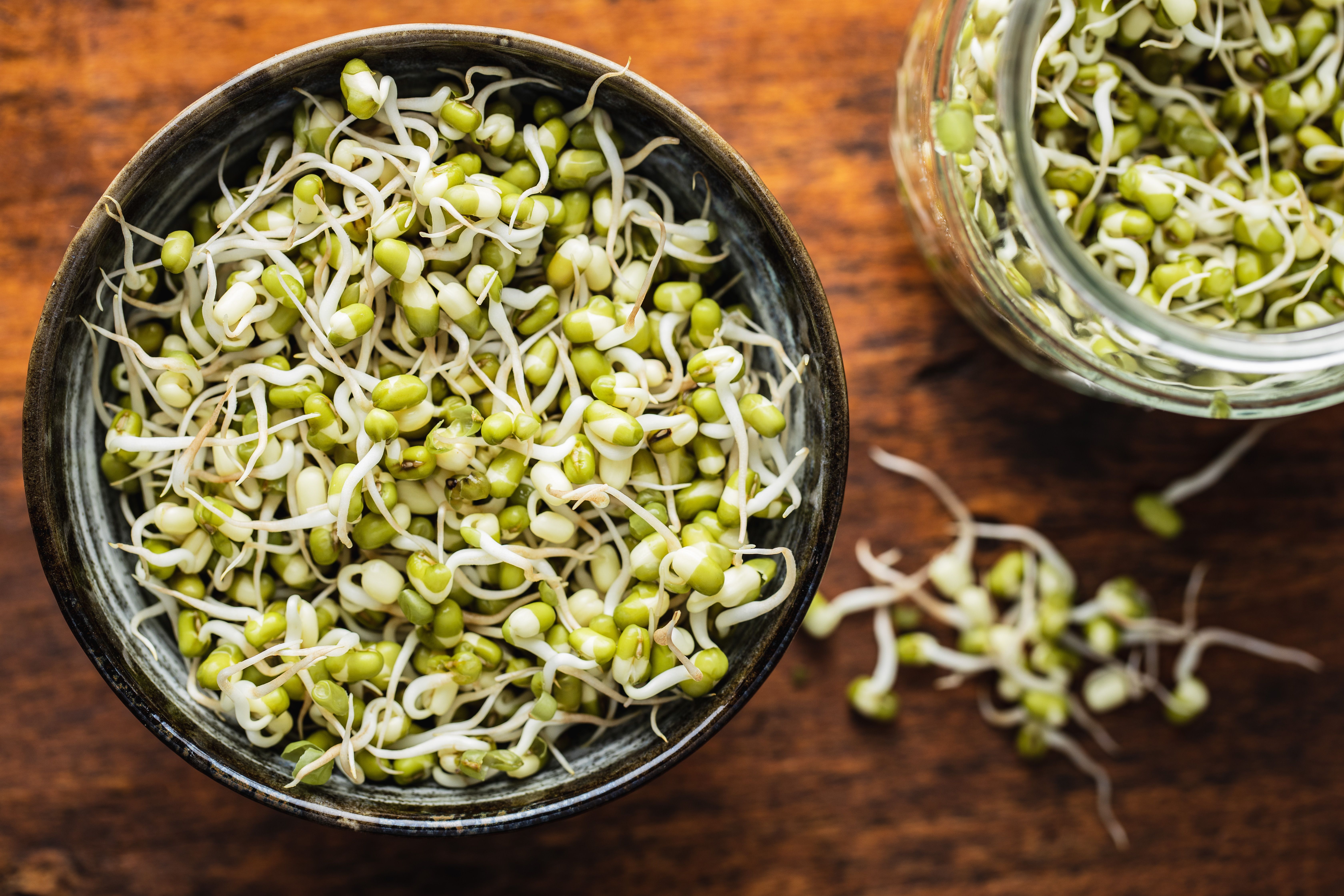
Sprouts are the young germinating shoots of different types of seeds, such as beans, chickpeas, lentils, alfalfa, or fenugreek, which are some of the most consumed food items in Indian cuisines. This article will give you all the necessary information regarding the nutrients that are present in sprouts, the calorie content in them, the health benefits that you can derive from having sprouts, and other details.
Calorie content in sprouts:
Sprouts are mostly rich in high amounts of nutrients and are quite low in calorie content. In fact, like many other food items, the number of calories in sprouts depends on the way you prepare the sprouts, the types of sprouts that you are having, or how much you are having in a portion size. For instance, a bowl of sprouts, which is around 100 grams in serving, can consist of approximately 30 to 45 calories. While mung bean sprouts can contain 30 kcal of calories in 100 grams, the calorie content is much higher in the case of chickpea or lentil sprouts. Having sprouts can provide satiety and a feeling of fullness, so you need to be mindful of the portion size and calorie intake.
Nutritional contents in sprouts:
Sprouts of any beans or chickpeas are rich in nutritional content, especially plant-based nutrients. Here is a list of some of the major proteins that are found in sprouts:
1. Protein:
Protein appears as a major macronutrient in sprouts, which helps to support muscle repair and overall body growth. In fact, every 100 grams of sprouts can contain around 3 to 5 grams of protein.
2. Vitamins and Minerals:
Sprouts are some of the richest sources of micronutrients like vitamins and minerals. They contain vitamins such as vitamin C that often acts as an antioxidant for improving immunity and skin health, vitamin K for better blood coagulation, and different types of B-complex vitamins such as folic acid or folate, riboflavin, and niacin for healthy physiological functioning.
Sprouts can contain some amounts of minerals such as iron for the improvement of haemoglobin and preventing anaemia, magnesium, potassium, phosphorus, zinc, and calcium for better health of the heart, bones, and muscle joints.
3. Antioxidants:
Apart from these, sprouts can also contain some amounts of antioxidants and plant-based compounds, such as flavonoids and phenolic acids, that help to prevent the risks of oxidative stress and prevent chronic diseases that develop as a result of inflammation.
Health benefits of having sprouts:
Sprouts are rich in nutrients, which makes it evident that you are likely to enjoy several health benefits if you consume them. Some of those health benefits include the following:
1. Regulate blood glucose levels: Sprouts usually have a low glycemic index and high fibre content, which makes them an excellent choice for people with high blood sugar.
2. Improve digestion: Sprouts are rich in nutrients that can ease your digestive process by creating enzymes effectively.
3. Weight management: Since sprouts give you a sense of fullness, there are fewer chances of binge eating, and thus, it helps reduce your calorie intake.
4. Heart health: The nutrients in sprouts can help to reduce the risks of developing various types of cardiac ailments by maintaining proper blood pressure and cholesterol levels.
Which doctor should you consult before consuming sprouts?
Sprouts are more or less rich in nutrients and can provide you with several health benefits. But not everyone is supposed to consume sprouts or at least have them in limited amounts in their diet. So, before you start adding sprouts to your diet, it is important for you to know whether you can even have them at all.
For this, you need to consult a registered dietitian or a nutrition expert who will be able to tell you how many sprouts you can have per day based on your calorie intake, the types of sprouts that are suitable for you, how you will cook the sprouts, and other details.
Final Thoughts:
Sprouts are some of the most widely consumed food items in Indian households. They are rich in nutritional components and are also low in calorie content. The rich amounts of nutrients in sprouts can help you to have enough health benefits, such as better digestion, improved heart health, better weight management, and so on. Besides, sprouts can help you stay full and can reduce your overall calorie intake. But before adding sprouts to your diet, you must always consult a health care professional.
Also Check: Calories in Cold Coffee - Nutrition Formation and Benefits
Also Check: How Many Calories in Kala Chana and Nutritional Information
Authors

Bidiptaa Sen
MA in Mass Media and Communication, Jadavpur University With 3.5+ years of experience in writing marketing and SEO content on healthcare and wellness, I write articles that help people to get an idea regarding medicines that are prescribed, how to improve their wellness care and educate people how to choose accurate health facilities. My communication skills, depth of knowledge in media management and strategic methods for better social media engagement and improving readers' experience through extensive research on the healthcare scenario.
View profile
Yashodhwara Singh
I completed my BTEC in Aeronautics from Acharya Institute, Bengaluru, and my schooling from Aligarh Muslim University. I have completed multiple internships, including at HAL. With prior experience in technical writing, I currently work part-time as a medical content writer at DocIndia.
View profile